


Dodd and Gensler Urge Supreme Court Prediction Market Review

Matt Perrault
Host · Writer
Segment Spotlight: Quick Hits From Pushing The Odds with Matt Perrault
Dodd and Gensler Briefs Intensify the Prediction Market Case
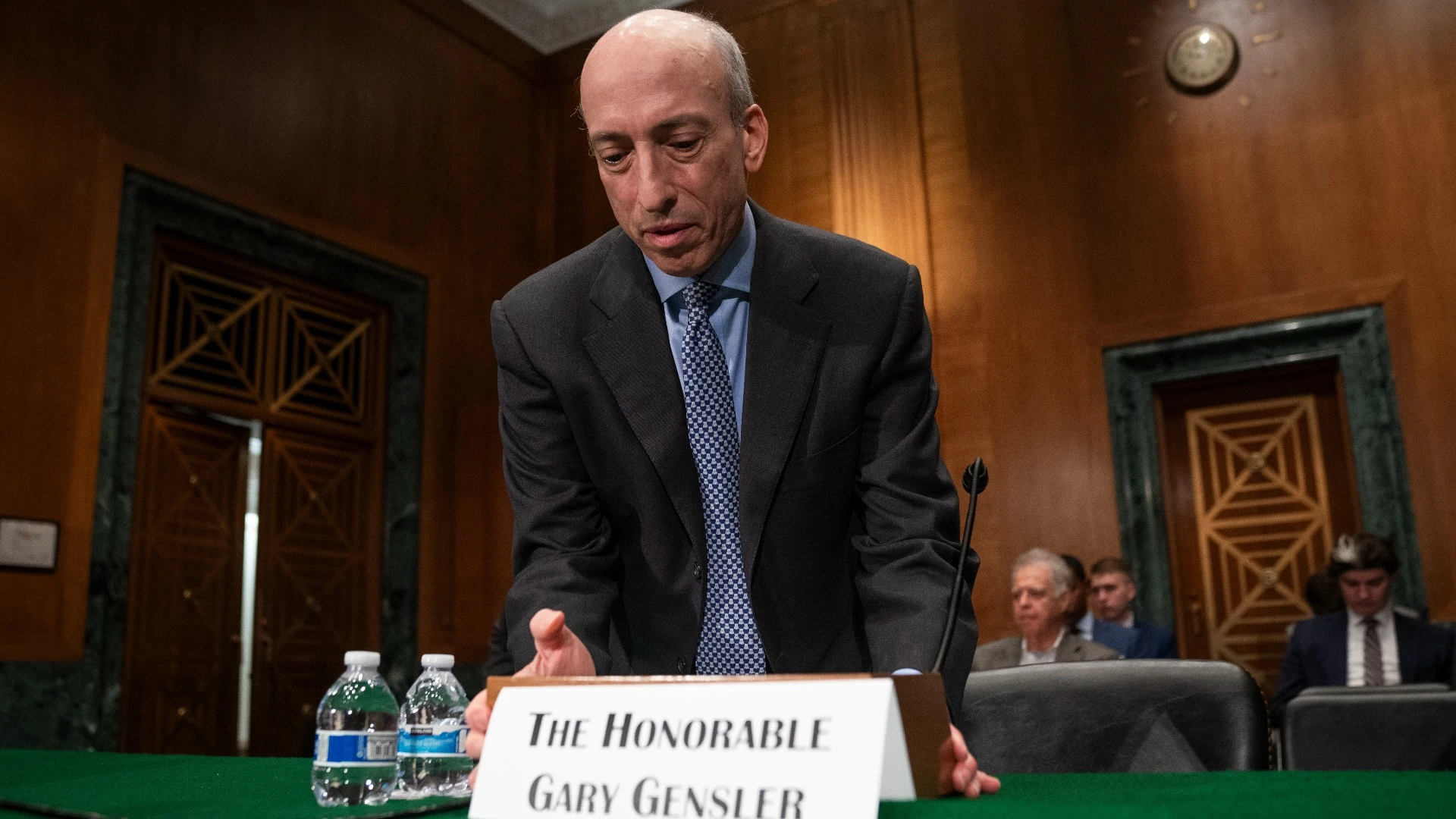
Christopher Dodd, whose name is on the Dodd-Frank Act, and former CFTC Chair Gary Gensler submitted briefs supporting New Jersey’s petition for the Supreme Court to hear its case against Kalshi.
Dodd argued that the amendment and regulation left no room for interpretation regarding sports. “Congress did not set out to authorize nationwide sports betting through derivative markets or displace decades of state and tribal primacy over gaming regulation,” he wrote.
Gensler concurred, arguing that Congress did not transfer jurisdiction over sports betting from the states to the CFTC when it amended the Commodity Exchange Act through Dodd-Frank. He said Congress was addressing the causes of the financial crisis, not reversing federal sports betting policy or displacing state and tribal regulation. He also argued that sports betting contracts were not included within the statutory definition of a swap.
The briefs support New Jersey’s petition after the Third Circuit ruled in favor of Kalshi, a decision described as conflicting with rulings from the Sixth and Ninth circuits in favor of the states. The NFL, tribes and the American Gaming Association also filed briefs.
The number of parties publicly arguing that prediction markets are using an unintended loophole suggests the dispute is coming to a head. Their position is that the Commodity Exchange Act was not intended to allow prediction market companies to offer sports gambling nationwide.
I believe the Supreme Court will ultimately agree with Dodd and the former CFTC chair rather than the administration. The political situation after November could affect how controversial such a ruling would be, particularly if both the House and Senate flip to Democratic control. A ruling against the current interpretation would effectively return sports gambling regulation to the states.
That would not necessarily mean companies such as Kalshi, Polymarket and Novig would disappear. They could pursue state licenses, although doing so would be expensive. The number of licenses available in some states is growing, with Arizona cited as a state seeking license applicants.
Other markets would remain difficult or unavailable. New Hampshire has DraftKings, Florida has Hard Rock, and licenses are not available in California or Texas. That would be especially challenging for Kalshi because it has built a customer base in Florida, Texas and California.
The debate has increasingly become a matter of choosing a side. That team-based approach is not a productive way to address the legal and regulatory questions surrounding prediction markets and sports gambling.
BETTING NEWS
FUTURES

