


USA vs. Europe Analysis: Why Europe Plays with Less Pressure

Smylie Kaufman
Host · Writer
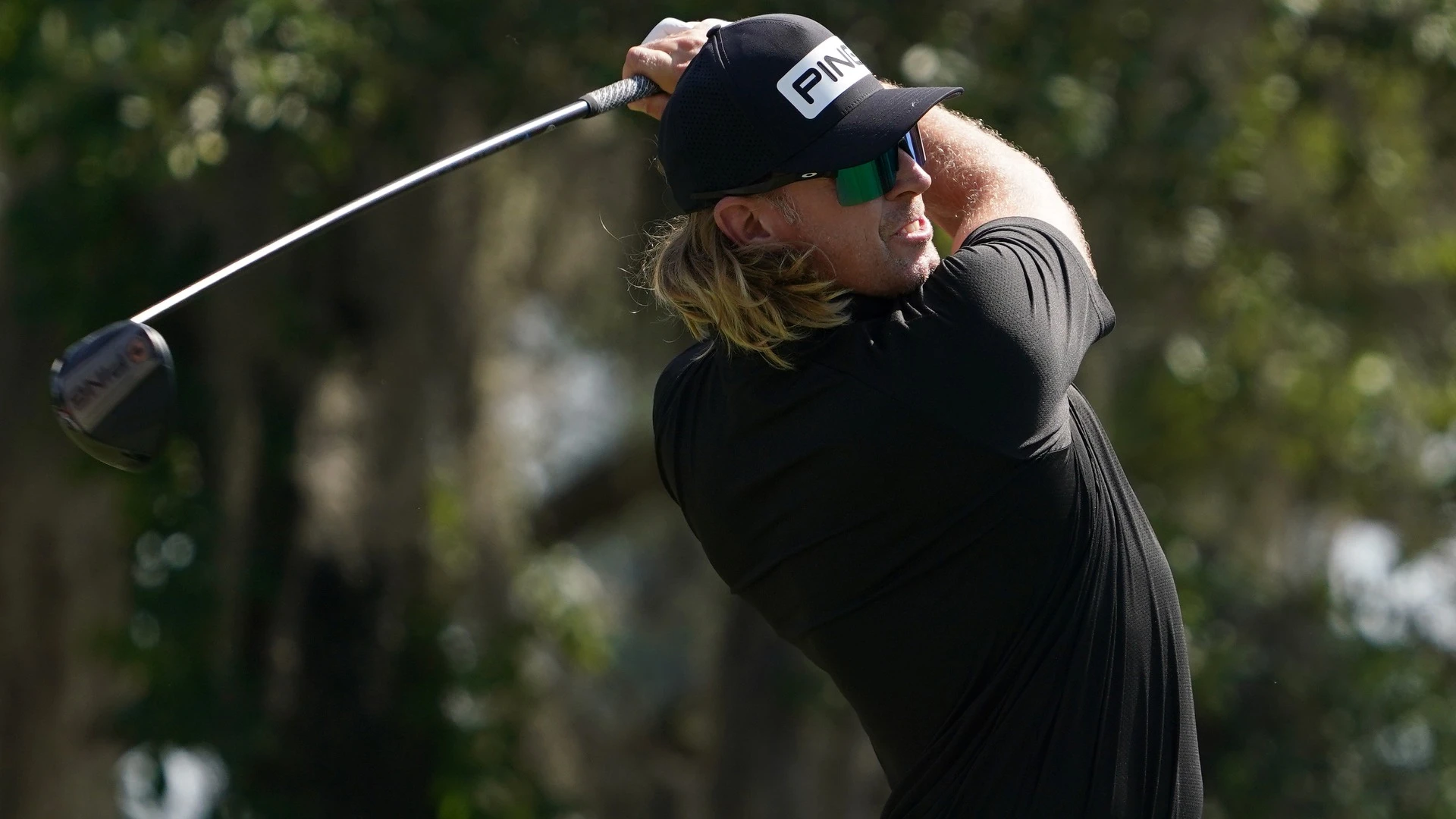
Segment Spotlight: Quick Hits From The Smylie Kaufman Show
Analysis on Golfing Pressure and Team Dynamics
In a revealing discussion on the Smylie Kaufman Show, the focus was on the differing approaches to international golf competitions between European and American players. The conversation highlighted how European teams prioritize simplicity, focusing solely on playing their best golf. This contrasts sharply with the American approach, which tends to emphasize national pride and can inadvertently heighten pressure on the players.
The speaker observed that Europe's success could be attributed to their relaxed demeanor and intense preparation, especially on the greens. This preparation includes extensive studying of the course and pin positions, enabling a thorough understanding of the playing field, which seems to contribute significantly to their performance.
Conversely, American players often appear burdened by the need to perform for their country, leading to visible tension and a deviation from their true playing selves. This tension was particularly noted during events in New York, where attempts to energize and involve the crowd seemed to increase pressure on the players, affecting their performance.
The discussion also touched on the qualities of leadership and team dynamics, citing the example of a past Ryder Cup where a more relaxed atmosphere under a certain leader allowed American players to excel as underdogs. The speaker expressed confusion over why successful strategies and leaders from the past were not more frequently consulted or involved in future events.
The overall sentiment from the conversation was a call for a return to simplicity and authenticity in approach. The speaker suggested focusing on the essentials of the game, supporting the players' natural talents, and reducing unnecessary pressure to maximize performance in high-stake matches.




BETTING NEWS
FUTURES

