


Negotiating Golf Deals Amid Shifting League Dynamics

Smylie Kaufman
Host · Writer
Segment Spotlight: Quick Hits From The Smylie Kaufman Show
Exploring Player Dynamics and Deal Structures in Golf
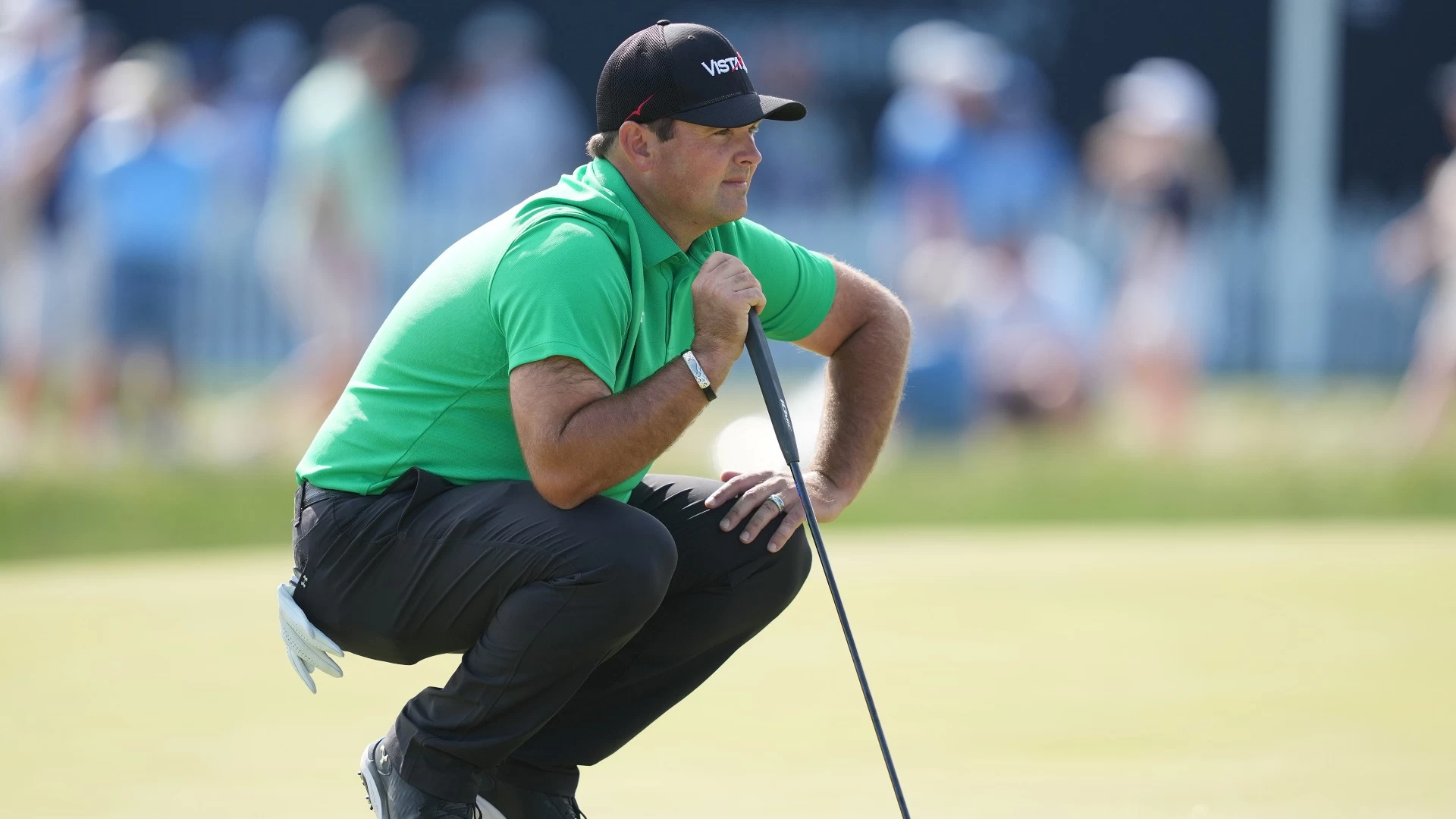
In recent discussions on the stability of LIV Golf and its effects on player negotiations and deals, Brooks Koepka and Patrick Reed's earlier agreements came into focus. Despite the uncertainties around the league's financial backing and future, these deals were negotiated when LIV Golf still appeared to be a strong competitor in the industry.
John Romm's strategy also highlighted an interesting angle, as he navigated his commitments between LIV Golf and the DP World Tour, ensuring he retained his eligibility to play in the Ryder Cup. This approach emphasizes the nuanced strategies players are adopting amidst the evolving golf landscape.
The dialogues touched on the potential financial repercussions for players like Bryson DeChambeau, who publicly emphasized their importance to the PGA Tour. The conversation suggested that negotiating power is potentially diminishing for players associated with LIV Golf due to ongoing negative reports about its stability. This dynamic could change the financial and professional landscape significantly for these athletes.
Furthermore, Patrick Reed's example demonstrated an alternative route, utilizing his win on the DP World Tour to regain PGA Tour access without re-signing with LIV Golf. This scenario spoke to the existence of strategic 'loopholes' that players might exploit, balancing between tours to optimize their career and financial outcomes.
The conversation also speculated on John Rohm's financial prospects across different tours and discussed how top players can significantly influence their earnings based on their performance and strategic decisions regarding tour commitments. Such examples underscore the complex and highly strategic environment professional golfers navigate in their career planning and financial management.
The overall discussion from the show stems a vivid picture of the current state of professional golf, where negotiations, strategic placements, and financial decisions interplay crucially, shaping not just the careers of individual players but potentially the future of golf tours themselves. As the landscape continues to change, these elements will likely become even more critical for players and associations alike.



BETTING NEWS
FUTURES

