


Unlocking PGA Tour Potential: Insights and Analysis

Smylie Kaufman
Host · Writer
Segment Spotlight: Quick Hits From The Smylie Kaufman Show
Insights Into Golf Techniques and Player Progression
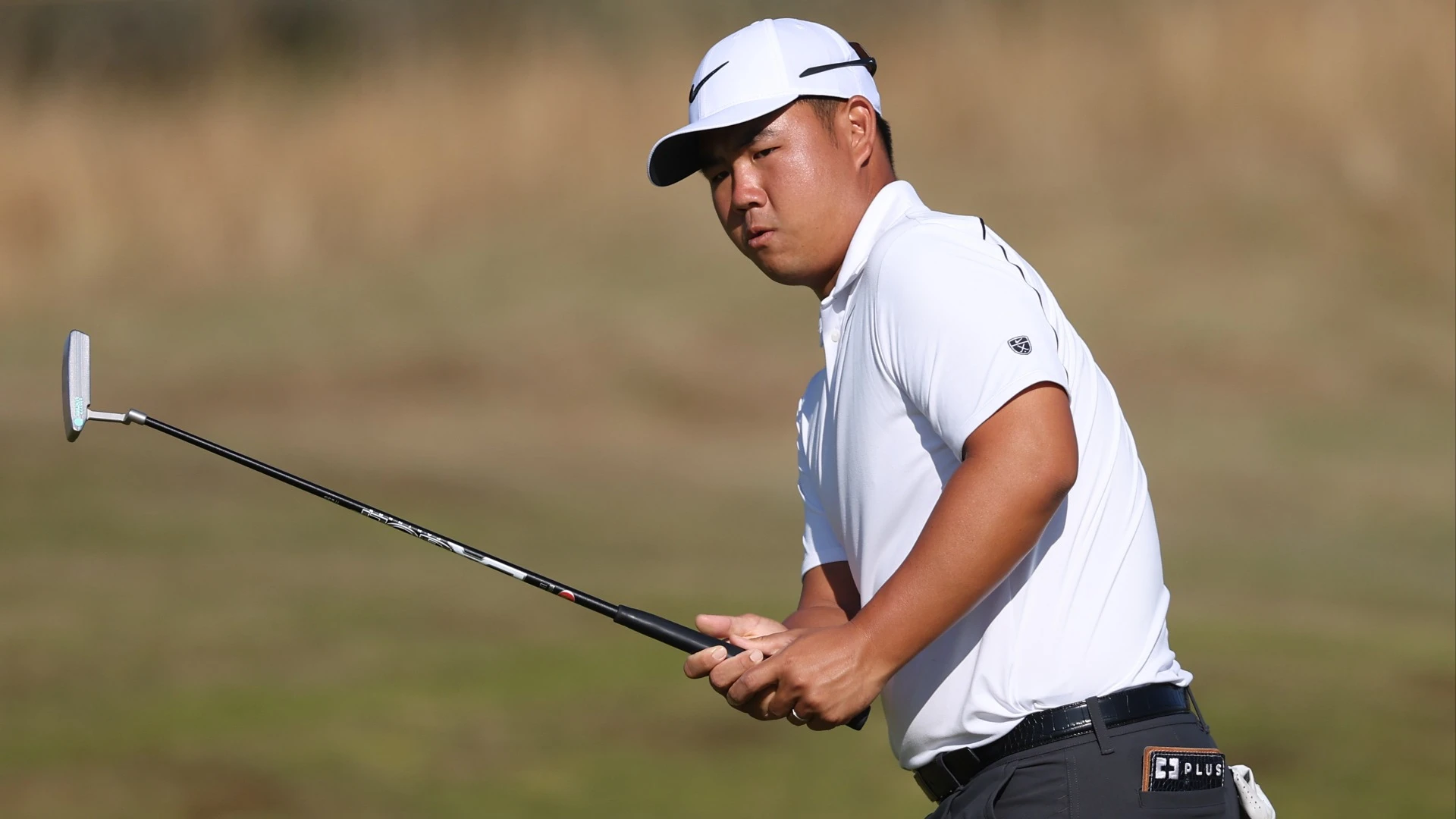
Every week on the PGA Tour unveils new talents that beg the question, why aren't these players ranked in the top 10 globally? Such curiosity leads to discoveries about players like Michael and Tom Kim, who show great promise but continue to seek the formula that could establish them as consistent top competitors. Michael, a PGA Tour U graduate, possesses significant confidence boosted by his time at Stanford, yet he struggles with clinching major wins. Tom Kim, on the other hand, emerged victorious early in his career which set high expectations among golf enthusiasts and professionals alike.
Tom Kim's journey in professional golf began at a young age when he turned pro after his parents sold their restaurant in Seoul. His first professional win in the Philippines marked a potential-laden start. However, transitioning those early successes into sustained performance has been challenging. Both Tom and Michael impress with their skills but often need slight adjustments rather than complete overhauls to refine their game, focusing on key areas like posture and hand path.
Golf swings, such as those admired from players like Rosie, Fleetwood, and Adam Scott, provide different templates of movement including lateral, vertical, and rotational components which are essential to mastering the sport. However, for someone like Tom Kim, understanding and adjusting his specific swing path and body alignment is crucial. Simple changes in his setup and managing his swing path better could correct his tendency for a slight drift or overcut in his shots.
Similarly, revisiting fundamentals proved beneficial for Michael as well. When reminded of his earlier technique showcased in a video from his Stanford days, it highlighted that sometimes the best approach is to reapply foundational skills that have been overshadowed by more complex strategies. This concept reinforces the idea that solutions are often closer and less complicated than initially perceived.
Overall, ongoing learning and flexibility in applying both new and old techniques play a significant role in a golfer's ability to adapt and improve on the professional stage, continuing to evolve while staying true to what has previously worked in their favor.




BETTING NEWS
FUTURES

