


Latest Baseball Insights: Ohtani's Contract & CBA News
Segment Spotlight: Quick Hits From Pushing The Odds with Matt Perrault
Otani's Contract and Its Impact on MLB's Financial Strategy
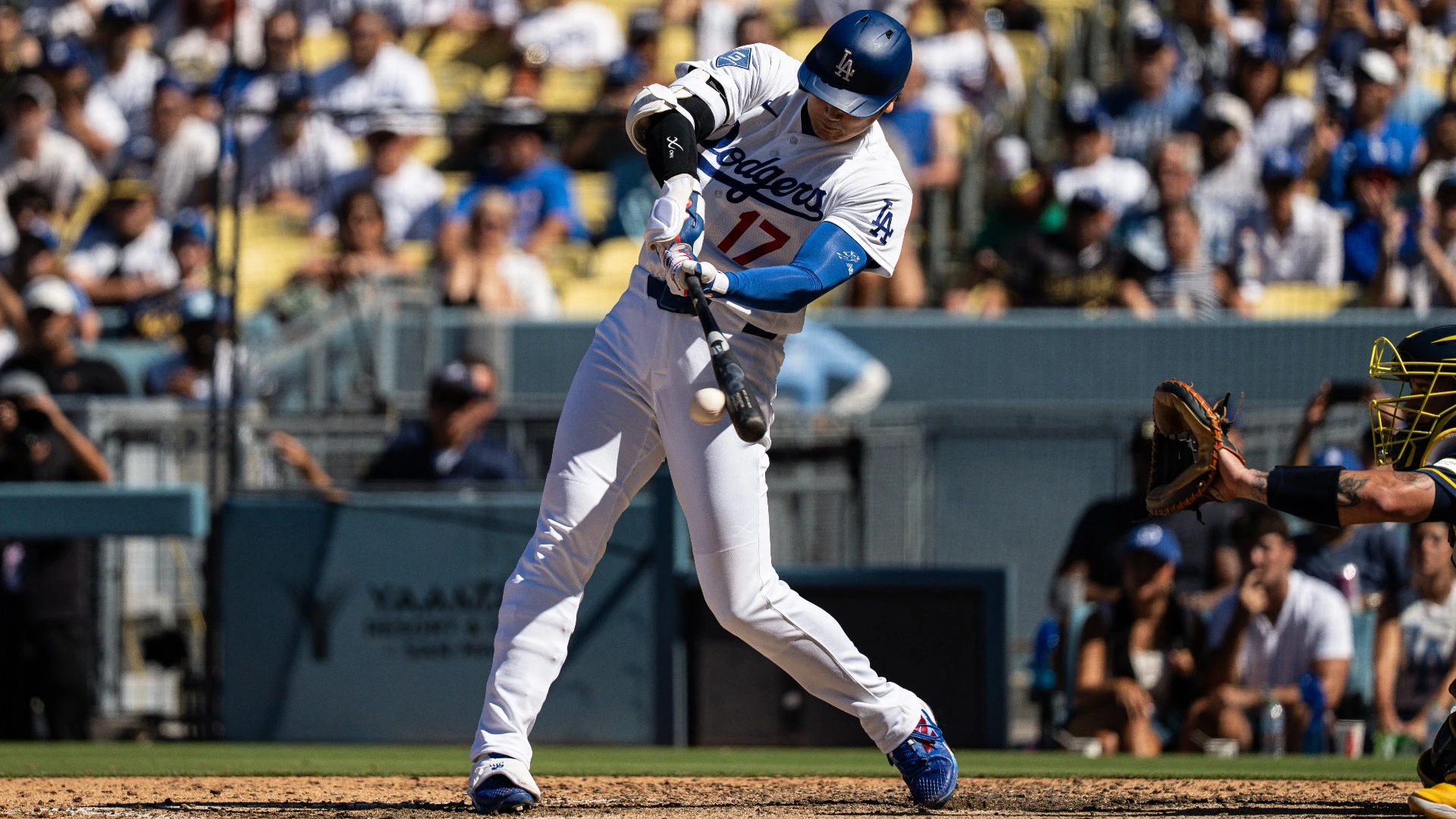
The Athletic has reported that Shohei Otani has decided not to opt out of his contract with the Los Angeles Dodgers, even if the team changes ownership. Despite having a clause allowing him to become a free agent if the Dodgers are sold, Otani has opted to stay with the team. This decision is linked to the unique nature of his contract, which involves a significant deferment of his salary — a structure similar to the notorious Bobby Bonilla deal but on a much larger scale.
Otani's contract with the Dodgers is particularly notable for its deferred $1.1 billion, allowing him to avoid higher taxes while playing in Los Angeles. This financial maneuvering by the Dodgers has set a precedent in the MLB, leading to other players negotiating similar terms for salary deferment. The implications of these deals are vast, as they have enabled the Dodgers to amass talent while spacing out fiscal responsibilities into the future.
However, these contractual structures are now under scrutiny and are likely to be a key issue in the upcoming Collective Bargaining Agreement discussions. The use of deferred contracts might be banned in future negotiations, a change driven by concerns from various MLB team owners who are wary of the long-term financial commitments these contracts represent.
This situation has broader implications for Major League Baseball, contributing to increasing speculation about a potential lockout or strike. The industry is bracing for possible disruptions, with some teams even preparing for scenarios without baseball in 2027. The ongoing debates over contract structures and financial strategies could fundamentally alter the landscape of MLB, impacting how teams manage their rosters and finances.
Ultimately, Otani's decision to not opt out underscores the complexities and the stakes of MLB's financial strategies, which are not only about player salaries but also about the broader economics of the sport. These decisions are crucial at a time when the league is facing potential significant changes in its operational norms.



BETTING NEWS
FUTURES

