










Umpire Accountability and the Flawed Grading System
Segment Spotlight: Quick Hits From Outspoken With Dan Sileo
Examining Umpire Accountability and Technological Influence in Baseball
In a recent discussion on the potential challenges facing baseball umpires due to increased scrutiny and the implementation of technology, it was noted that umpires might be insufficiently held accountable for their performance. Traditionally, players who underperform are relegated to lower leagues, raising the question of why umpires aren’t subjected to similar standards. To address this, a grading system was introduced where umpires are evaluated primarily on the accurateness of their strike zone calls, focusing notably on the center but neglecting the peripheries—areas crucial for pitchers in professional games.
The conversation highlighted the inherent imperfections in human officiating, citing instances where umpires were reportedly incorrect about half the time during base-related decisions. This degree of error raised the provocative suggestion that perhaps even a fan could guess the calls with a similar rate of accuracy. Furthermore, recalling pivotal moments like the infamous call by Don Denkinger during the Cardinals-Royals World Series illustrates significant historical consequences of umpire errors, which technologies aim to mitigate.
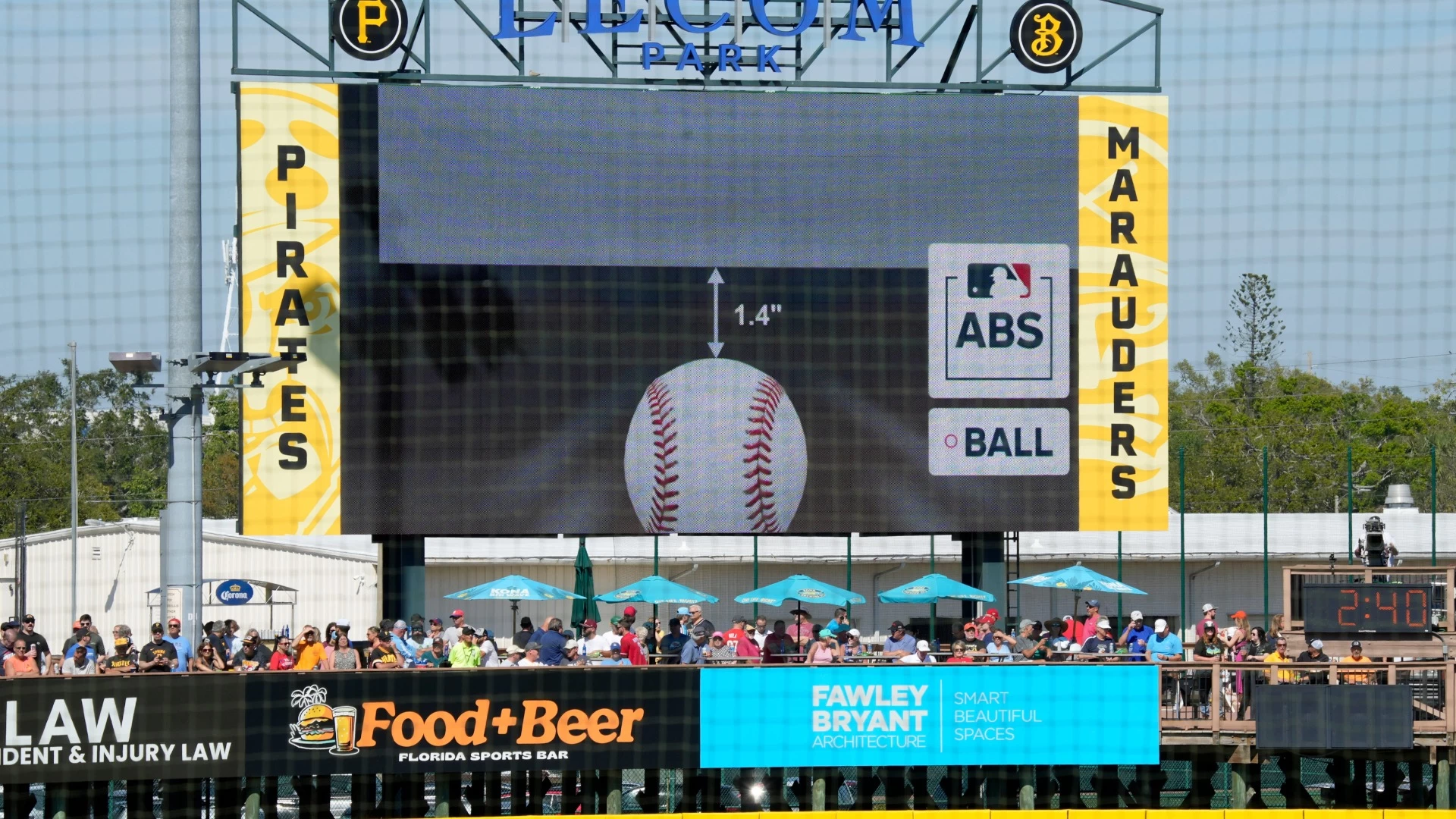
The integration of Artificial Intelligence and technology in sports aims to reduce human error by defining parameters such as the exact dimensions of the strike zone. However, concerns were raised regarding the Automated Ball-Strike System (ABS), which may not align with traditional rules defining the strike zone's boundaries at the plate. Therefore, while technological advancements promise increased accuracy, discrepancies between these systems and established rules could lead to new controversies and debates about the essence of officiating in baseball.































BETTING NEWS
FUTURES

