


Dusty May Leaves Michigan: What It Means for Wolverines' Future
Segment Spotlight: Quick Hits From The Craig Carton Show
Dusty May's Departure from Michigan and the Impact on College Basketball
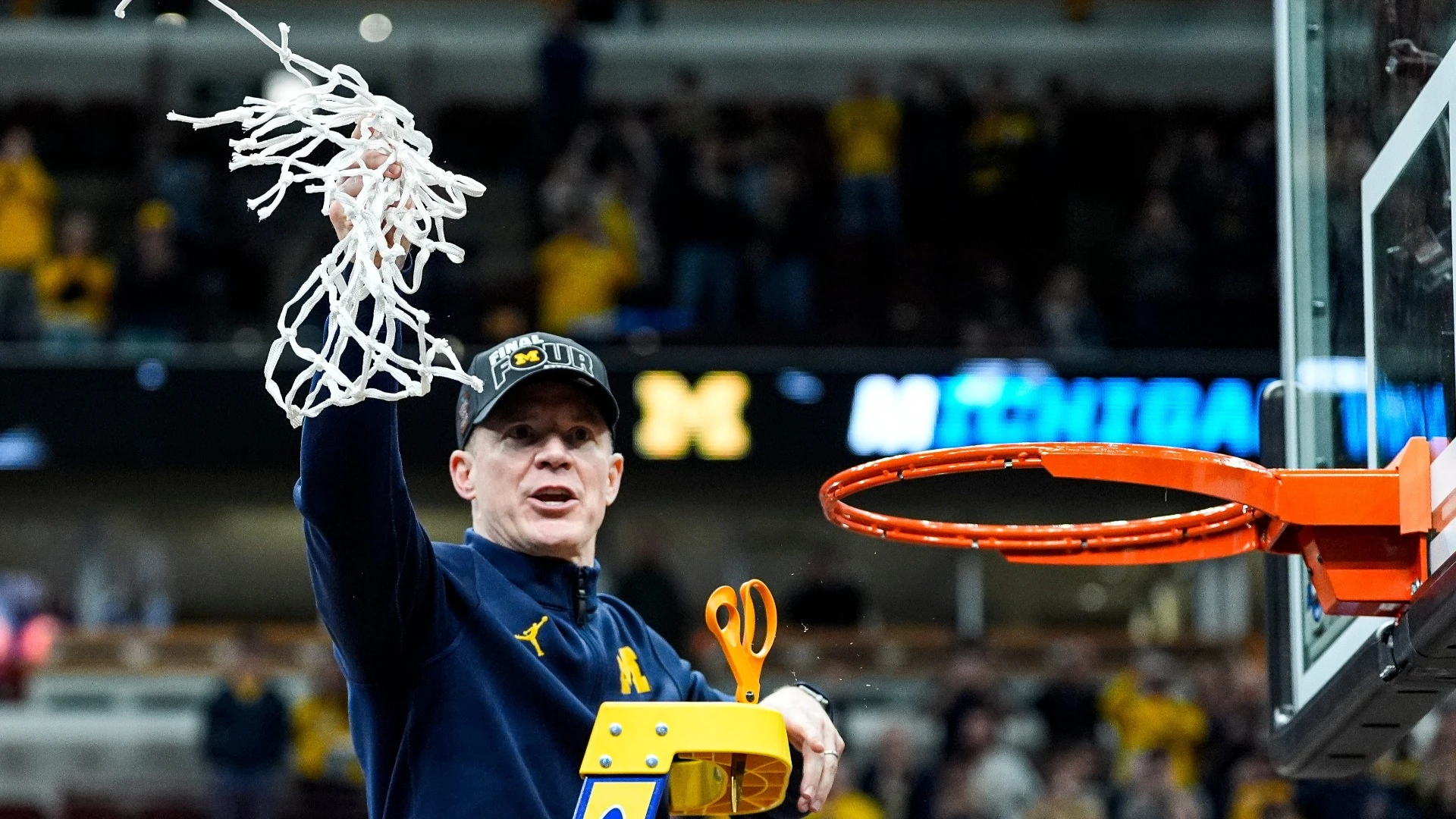
Dusty May, who recently led the University of Michigan to a national championship in his second year as head coach, has decided to leave the program for a position in the NBA. This departure comes after having the number one recruiting class in college basketball, creating potential instability for Michigan just months before the start of training camps. May's contract renegotiation, post-championship, bumped his salary to about $5 million annually. However, his exit, without a formal buyout due to an unsigned contract, leaves Michigan and its recruits in a precarious position.
According to NCAA rules, all the recruited players are now free to pursue opportunities elsewhere, intensifying the scramble among top college programs to attract these newly available talents. The situation underscores a broader issue in college sports where coaches often leave for better offers, despite previous commitments to their programs and players. This practice has been a topic of contention, especially when comparing the mobility of coaches to the restrictions typically placed on players.
The timing of May's departure is particularly controversial given that it occurred right after the highly successful recruiting season, and before he was expected to sign a new deal in July. This has left Michigan in search of a high-caliber replacement to maintain the program's recent success and to retain its top recruits. The implications of this move are significant not only for Michigan but also for the landscape of college basketball, where the movement of top coaches and players can dramatically alter the competitive balance.
The situation also raises questions about the role of loyalty and commitment in college sports, contrasting the often-preached values of consistency and dedication with the reality of frequent, strategic moves by high-profile figures. The impact of May's departure will hinge on Michigan's ability to secure a coach capable of both navigating this transitional period and building on the recent championship legacy.




BETTING NEWS
FUTURES

