


NCAA Fifth-Year Eligibility and Legal Controversies
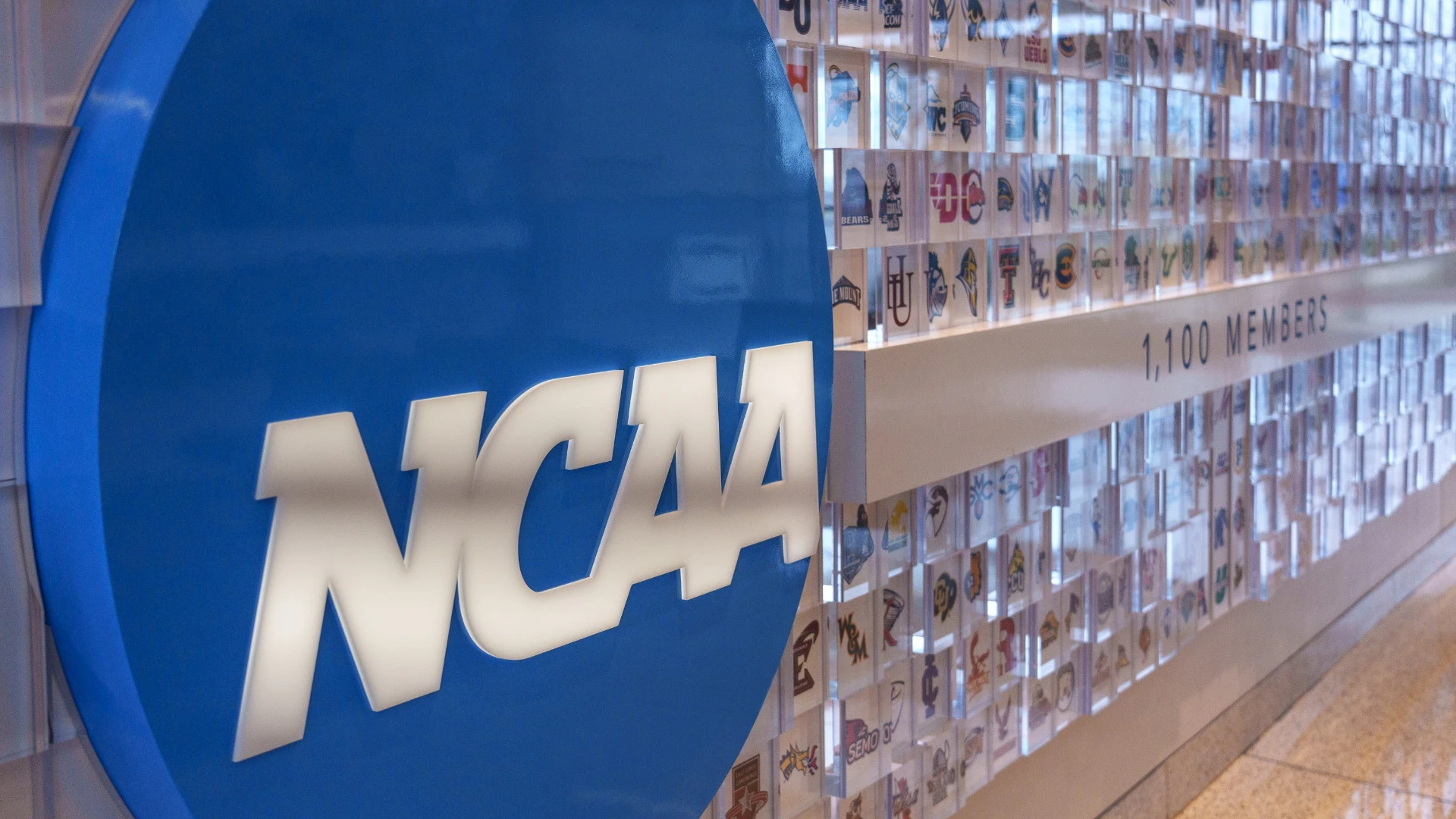
Segment Spotlight: Quick Hits From Outspoken With Dan Sileo
NCAA Fifth-Year Option and Potential Changes in College Sports
The NCAA's recent introduction of an age-based eligibility model, known as the 5 and 5, has sparked significant controversy and legal action. With this model, athletes could potentially participate in college sports for five years and have till the age of 25. However, this has led to unforeseen complexities, especially as some athletes attempt to return to college sports after trying their luck in the professional leagues. Notably, a judge recently ruled that conferences like the SEC and the Big 10 can't block these athletes from returning to play, highlighting ongoing legal and administrative battles concerning athlete eligibility and college sports governance.
Dan Sileo discussed these issues with John Fanto and highlighted the NCAA's mishandling of the situation, particularly their timing in announcing this model which has aligned poorly with academic calendars. It was suggested that a better approach would have been to align the announcement with the typical 'add/drop' period at the beginning of a semester, potentially avoiding immediate eligibility for fall 2026.
The discussion also touched on a possible model for college football, similar to college basketball, where athletes can declare for drafts and return to college if they are not selected early. This could offer athletes more flexibility and security in their career choices, thereby maintaining their amateur status longer while still pursuing professional aspirations.
Finally, the conversation shifted to broader impacts on college sports, including how the transfer portal and NIL (Name, Image, Likeness) rules are affecting the landscape. Proposals for managing transfers and maintaining competitive balance were discussed, such as requiring financial transactions between schools when athletes transfer, similarly to practices in some European sports leagues.
This segment sheds light on significant upheavals and potential reforms in the governance of college sports, emphasizing the need for more strategic planning and consideration of the implications of such reforms on the athletes and institutions involved.
BETTING NEWS
FUTURES

