


NCAA Loopholes: The Rise of Pro Players in College Basketball

Joe Raineri
Host · Writer
Segment Spotlight: Quick Hits From The Early Line Live
Will Wade and the Encroaching Changes in NCAA Regulations
Division 1 and Division 2 scholarships allow athletes to graduate debt-free—an aspect hailed as advantageous. However, the landscape of college sports is rapidly evolving with the introduction of athlete compensation, a development met with mixed reactions.
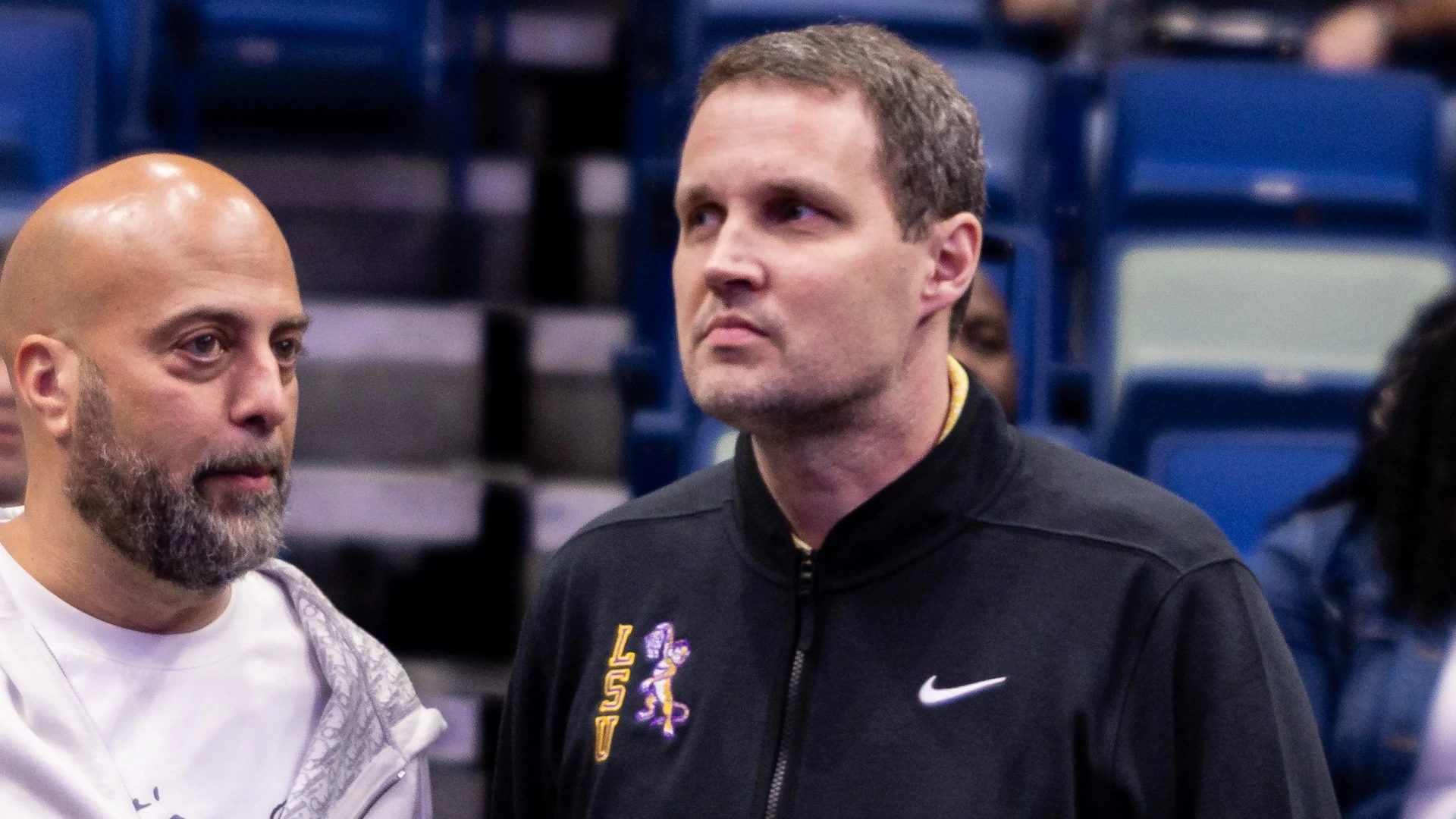
In a recent tweet by CFB home, shared by on 3, the focus was on former professional guard RJ Luis Jr., the 2025 Big East Player of the Year, who signed with LSU. After a stint in professional leagues and several contracts later, Luis has returned to college sports, highlighting significant loopholes in NCAA regulations. The lack of enforcement from the NCAA was evident when Will Wade, previously caught on an FBI wiretap for illegal payments to players, continued to coach, making controversial returns to several institutions, including LSU.
Will Wade's tactics are pushing the NCAA to a critical decision point. By actively recruiting older players who have professional experience, Wade is effectively challenging the traditional collegiate athletic system. This strategy not only blurs the lines between amateur and professional sports but also forces the NCAA to reconsider its regulations and enforcement mechanisms.
Moreover, the narrative around college sports is changing from celebrating young college athletes to recognizing it as a fully commercialized entity. The drive for revenue is seemingly prioritized over traditional college athletics values, which has sparked debates about the exploitation of athletes and the integrity of collegiate sports.
As these developments unfold, the NCAA faces a crucial juncture. Will it adapt its rulebook to accommodate these new realities, or will it stand by its existing framework and risk becoming obsolete? The actions and decisions of figures like Will Wade could very well dictate the future trajectory of college sports in America.




BETTING NEWS
FUTURES

