


NCAA Tournament Expansion: Is More Madness Really Better?
Segment Spotlight: Quick Hits From The Craig Carton Show
NCAA Tournament Expansion: Undermining March Madness?
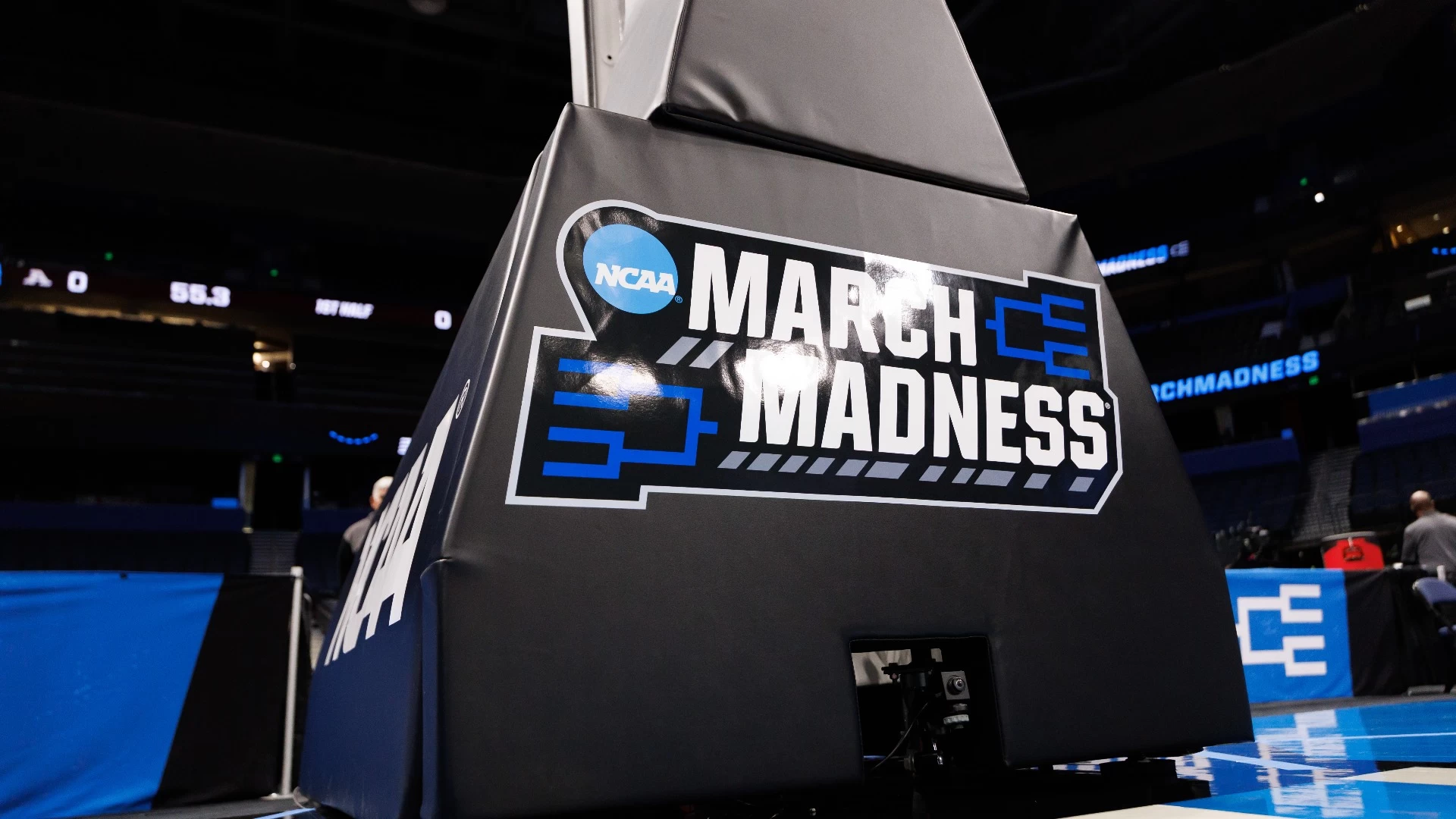
The NCAA is on the brink of expanding the March Madness tournament from 68 to 76 teams—a decision met with significant criticism by many in the sports community, including Craig Carton. On today's show, alongside Tyrone Johnson, Carton expressed his dissatisfaction with this potential change, attributing it primarily to financial motivations rather than the interest of the sport or its fans.
Carton emphasized that March Madness is considered by many to be the pinnacle of sporting events in the United States, held in higher esteem even than the Super Bowl and the Stanley Cup. He argued that the tournament is already "perfect" in its current form and that expanding the number of teams would dilute the quality of the competition, leading to less competitive games and more blowouts. This change, according to Carton, is driven not by a desire to enhance the competition or correct past injustices, but simply by the pursuit of more lucrative television contracts.
Furthermore, Carton speculated that the expansion might lead to additional broadcasting deals with major streaming platforms like Amazon, Hulu, Netflix, and others, reflecting a broader trend of live sports becoming a coveted commodity for streaming services. This shift aims to capitalize on the consistent high ratings of live sports broadcasts relative to other forms of television content.
Despite acknowledging that fans, including himself, will continue to watch the tournament regardless, Carton expressed a profound sense of frustration over the commercialization of an event beloved for its excitement and unpredictability. He fears that the essence of what makes March Madness special—the potential for stunning upsets and the drama of the "bubble" teams—will be lost amid these changes.
Carton's remarks reflect a broader sentiment among sports enthusiasts who often feel that financial considerations are compromising the integrity and enjoyment of the games. As the NCAA moves forward with its plans, it remains to be seen how these changes will impact the future of March Madness and whether fans' concerns will be addressed.



BETTING NEWS
FUTURES

