


West Coast Conference Plans Expansion Amid Challenges
Segment Spotlight: Quick Hits From Outspoken With Dan Sileo
WCC Eyes Expansion and Strategy Amid Gonzaga's Departure
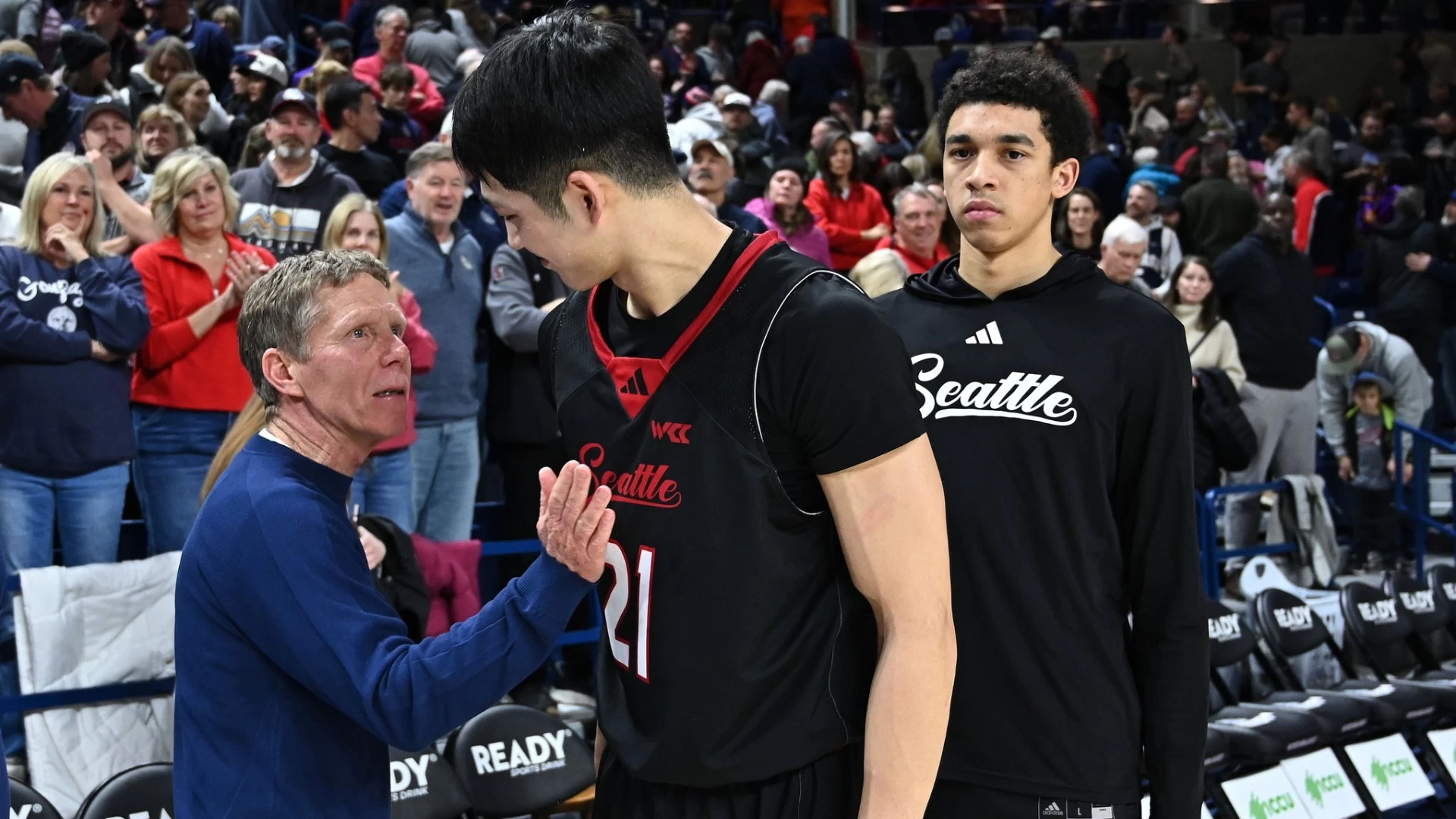
In a recent discussion on the future of the West Coast Conference (WCC), it was revealed that the conference is actively seeking to expand, adding new members to bolster its ranks. This year, Seattle University joined the WCC, bringing unexpected benefits, largely due to their excellent coach, Chris Victor. They've also performed impressively and will be part of the NIT. Looking ahead, the University of Denver will join next year, followed by UC San Diego the year after, increasing the conference to 11 members. The goal is to add a 12th member to enhance financial stability and membership cohesion.
The Changing Landscape of College Basketball
There's a widening gap in college basketball between the Power 5 conferences, including the Big East, and the mid-major and lower-major conferences. This growing separation poses challenges for mid-majors in securing at-large bids for tournaments, a dilemma aggravated by Gonzaga's departure from the WCC. Despite these hurdles, the WCC is committed to strengthening its programs and scheduling aggressively to improve team resumes and increase their chances for at-large bids.
The Impact of Scheduling and Realignment
The issues with non-conference scheduling were also discussed, focusing on the challenges mid-major conferences face in arranging games with Power 5 teams. The expansion of Power 5 conferences and their schedules have reduced the number of available games, which complicates scheduling for mid-majors. Although some people may point fingers at power conferences, the realignment has played a significant role in creating current scheduling difficulties. To overcome these obstacles, mid-major teams may need to adopt unconventional strategies, like agreeing to multiple away games in exchange for a single home game in the future.
This strategic approach underlines the necessity for mid-majors to be innovative and proactive to navigate the evolving landscape of college sports effectively.



BETTING NEWS
FUTURES

