


Bradley Roby on Ohio State Toughness and Team Culture
Segment Spotlight: Quick Hits From The Bobby Carpenter Show
Former Buckeyes Debate Toughness, Character and Urban Meyer’s “Dirty Hole” Label
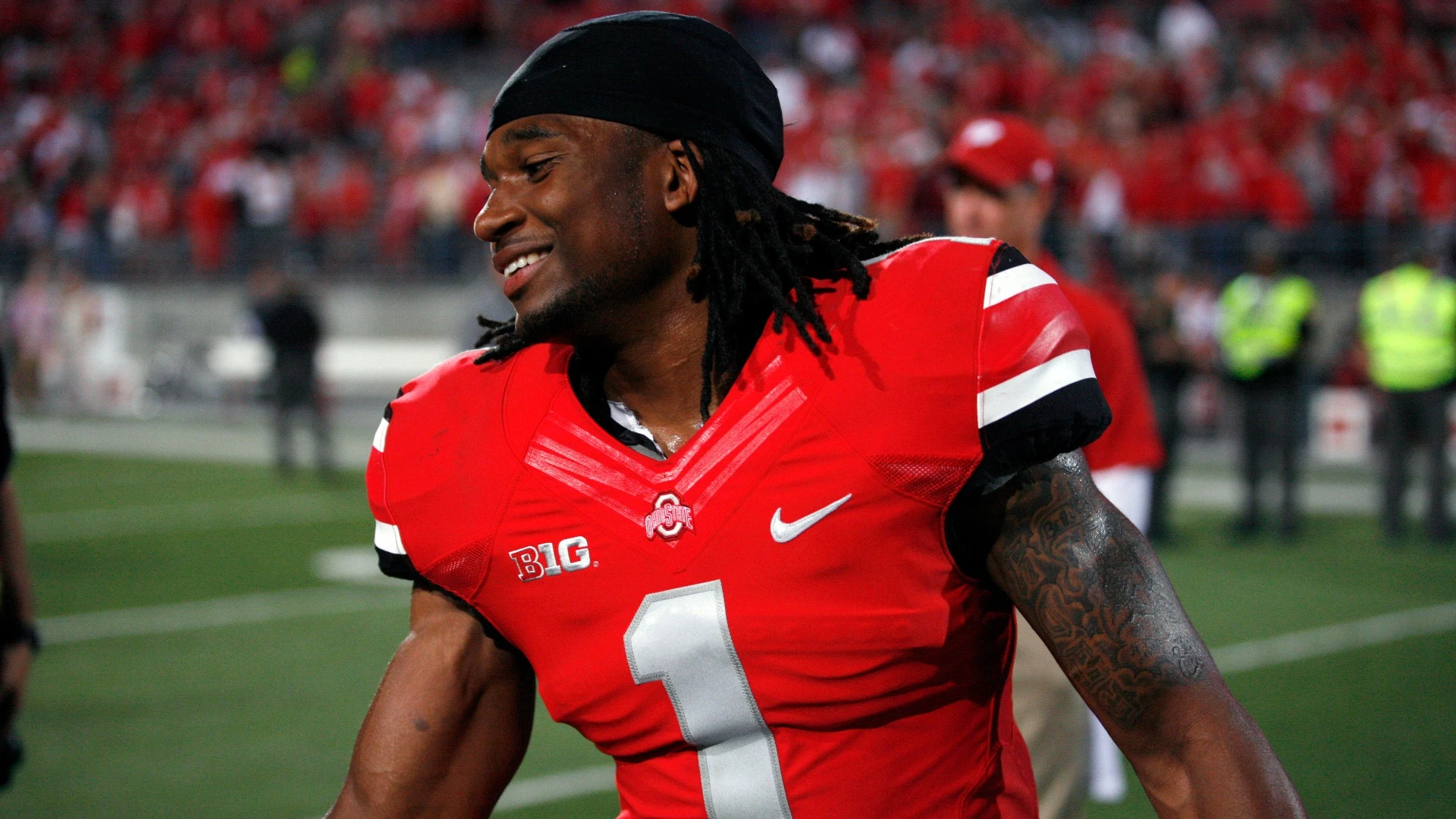
Former Ohio State cornerback Bradley Robie became part of a discussion about the culture surrounding past Buckeyes teams. Robie, a first-round pick who finished his Ohio State career in 2013, played with Jeff Green before Green was part of the national championship team.
Green said that when he played at Ohio State after transferring from Georgia Tech, the team had at least 20 to 25 players Urban Meyer would call “dirty hole guys.” He described players who stayed out late partying, fought on High Street and were “not living right,” but still performed on Saturdays. Gary Connolly also joined the discussion.
Bobby Carpenter strongly rejected the idea that this behavior should define a successful team culture. He praised many players from the Ryan Day era as high-quality people whom his children can admire. He pointed to their faith, maturity and willingness to do things the right way.
At the same time, Carpenter acknowledged the importance of having players with an edge. He described it as “shankability”—the ability to be a good person with strong moral character while still possessing the toughness to respond when teammates, friends or family are challenged.
Anthony Schlegel was offered as an example. Carpenter described him as God-fearing, a great husband and someone who would do anything for others. However, challenging his family or friends would be a bad decision. The point was that a player does not need to behave badly off the field to compete with grit and toughness.
Carpenter said he, Tommy and Cade were not partying or fighting on High Street. They spent their time at home playing cards, but they still had an edge. He understood the broader argument that the team needed more toughness, but rejected the suggestion that mistreating the Ohio State community and its fans should be part of that culture.
Robie offered a different definition of a “dirty hole” player. According to the discussion, he described those players as people who did not work hard, stayed in their rooms, smoked weed, skipped class and did not play. Carpenter agreed that the label was more fitting for someone who consistently failed to do things the right way than for a productive player who simply had a wild side.
Carpenter emphasized the importance of keeping “the main thing the main thing.” Some players may make mistakes away from football, but their commitment to the sport can keep them from making even worse decisions and ensure that teammates can trust them on the field.
Damon Arnett was cited as an example of a player who was immature at Ohio State but worked hard and was one of the toughest players Carpenter had been around. Carpenter said Denzel Ward could help keep him under control, while Arnett could get into trouble when left to his own devices. In games, however, he would fight and do whatever it took to win.
IGB was another example of that competitive mentality. Carpenter described him as intensely competitive and willing to take on anyone, even when others believed he would lose. In his own mind, IGB was always going to win and approached every challenge with the “fire of a thousand suns.”
BETTING NEWS
FUTURES
