


Curt Cignetti Challenges SEC Bias in Playoff Rankings

Dan Sileo
Host · Writer
Segment Spotlight: Quick Hits From Outspoken With Dan Sileo
Conference Bias, Curt Cignetti’s Lobbying and Coaching in the NIL Era
There may not be an obvious bias toward the Southeastern Conference, but there appears to be an unconscious lean. The SEC established itself as the preeminent conference by winning numerous national championships, consistently staying out front and producing teams capable of succeeding on the field.
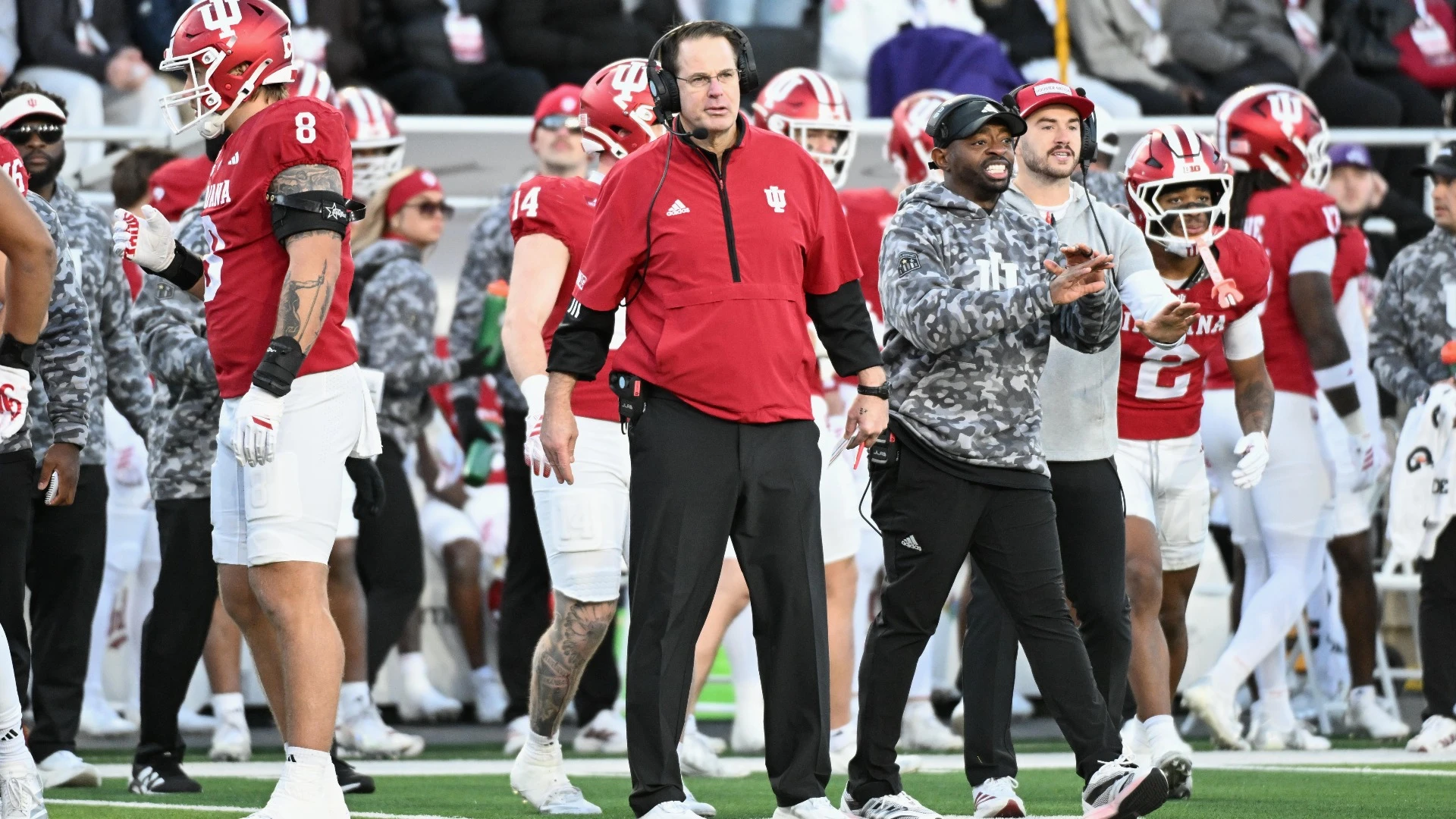
With the Big Ten winning three straight national championships, Curt Cignetti has reason to question that lean. Indiana dropped five spots during an open week, raising questions about why the benefit of the doubt should not go to the conference enjoying the most recent championship success.
The criticism of Indiana’s strength of schedule is also notable. When Indiana struggled in the past, few people questioned its schedule. This year’s schedule would have overwhelmed those previous Indiana teams, but the current team is handling it. Indiana came within Nick Marsh’s foot of beating Ohio State at home on the final play. The team knows how to win, works through difficult situations and succeeds with defense more than its usual offense.
Cignetti’s public lobbying is also part of a coach’s responsibility. Great coaches have always advocated for their teams and conferences. Cal was once upset with Mack Brown for lobbying for a Rose Bowl spot. Texas received the opportunity, won the Rose Bowl on a field goal and strengthened its case, while Cal lost its bowl game and failed to provide the public with the same support for its argument.
Coaches should be expected to lobby for their teams. If they do not, their athletic directors and school presidents have reason to ask questions. Rather than criticizing coaches for politicking, the focus should be on the system that requires them to do it.
That pressure is not limited to Indiana. Tennessee fans have called for Josh Heupel to lobby the committee more aggressively and argue that his team is being treated unfairly at No. 9 after beating No. 3 Alabama head-to-head, 26-10.
Cignetti also deserves consideration as one of the best head coaches of the NIL era. Comparing salary-cap and non-salary-cap NFL coaches is difficult, and comparing today’s college coaches with those from before NIL presents a similar challenge. Nick Saban may have been the greatest coach of all time, but he did not have to manage NIL in the same way Cignetti does. Cignetti is 36-3 at Indiana and has shown that he understands the demands of the current environment.
One example involves quarterback Josh Hoover, who transferred from TCU and received an NIL deal. After Hoover was injured and struggled, Cignetti turned to Grant Wilson, a seventh-year player who had been at Fordham and Old Dominion. Wilson played well in a victory and was named the starter again.
When asked why he was not returning to a healthy Hoover, Cignetti said Wilson was playing better. He also made the expectations clear: Hoover is being paid, must handle the decision professionally and needs to be ready when his number is called. It is similar to an NFL starter being benched while continuing to receive his salary.
Cignetti said publicly what is now true in college football. Players are being paid, and more coaches are addressing those situations directly. His comments also suggest that he spoke with Hoover privately, looked him in the eye and explained why he was not playing. These decisions are not made in a vacuum.
BETTING NEWS
FUTURES
