


Drew Rosenhaus Helps Negotiate NFL Players Back to College

Joe Raineri
Host · Writer
Segment Spotlight: Quick Hits From Game Time Decisions
Drew Rosenhaus and the Reversal of Career Paths in Sports
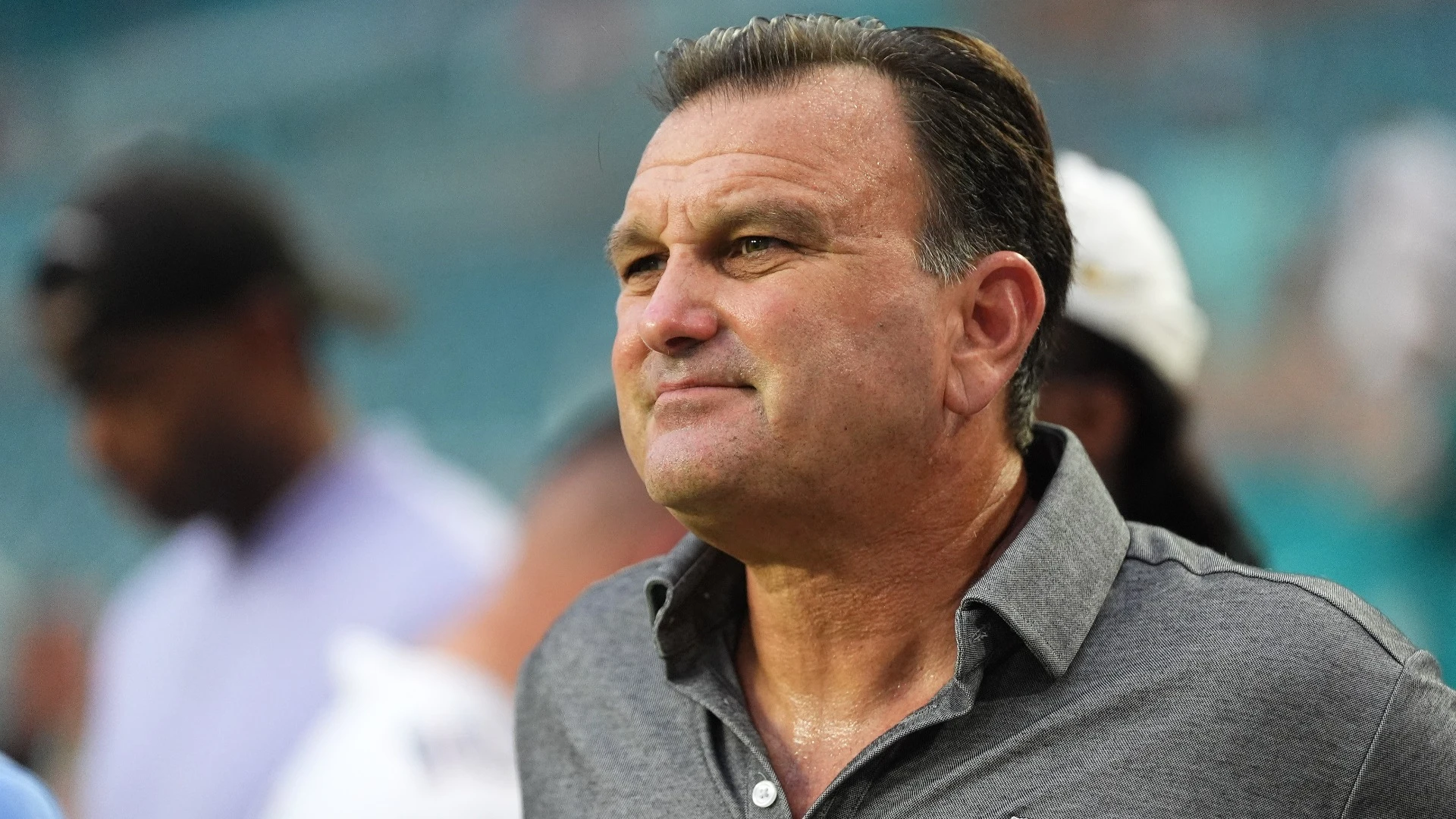
Renowned sports agent Drew Rosenhaus, known for his 30-year career guiding college football players to the NFL, has made a surprising move by negotiating for a player to leave the NFL and return to college football. This unprecedented event, occurring within a 24-hour period, has sparked discussions on the role of agents in influencing athletes' career decisions. It appears that agents are now guiding players to potentially forego opportunities in professional sports to tap into the lucrative possibilities awaiting in college athletics.
In recent years, financial prospects in college sports have grown considerably, with certain players earning six to seven-figure sums. This shift is influencing decisions that would have been unfathomable before, such as leaving a professional career in the NFL to return to collegiate sports. The disruption has not been limited to football; similar cases are being observed in basketball. For instance, a player from the Charlotte Hornets, who played only sparingly in the G-League, is returning to college basketball post-NBA draft.
The eligibility rules surrounding professional and collegiate sports have become a hot topic. There is an ongoing debate about whether drafted players who have signed professional contracts should be allowed to revert to their college teams, forfeiting remaining eligibility years. This discussion also extends to undrafted athletes and their rights to resume college sports.
The recent decisions and rule changes are indicative of a larger shift in sports dynamics, prompting skepticism about whether the traditional path from college to professional sports is being reversed due to financial incentives. Drew Rosenhaus's recent negotiation adds a notable chapter to this evolving story, highlighting the complexities and potential conflicts of interest that can arise when financial considerations intersect with athletic careers.
The involvement of influential figures like Lane Kiffin in these scenarios is also noteworthy, as it points to a broader trend of strategic career movements in sports. This shift is raising questions about the future landscape of athlete management and the integrity of sports career trajectories.



BETTING NEWS
FUTURES

