


Exploring the USC Attendance Mirage Amid Extreme Heat
Segment Spotlight: Quick Hits From The Sporting Tribune Today
USC's Low Attendance: A Reflection of Scheduling and Climate?
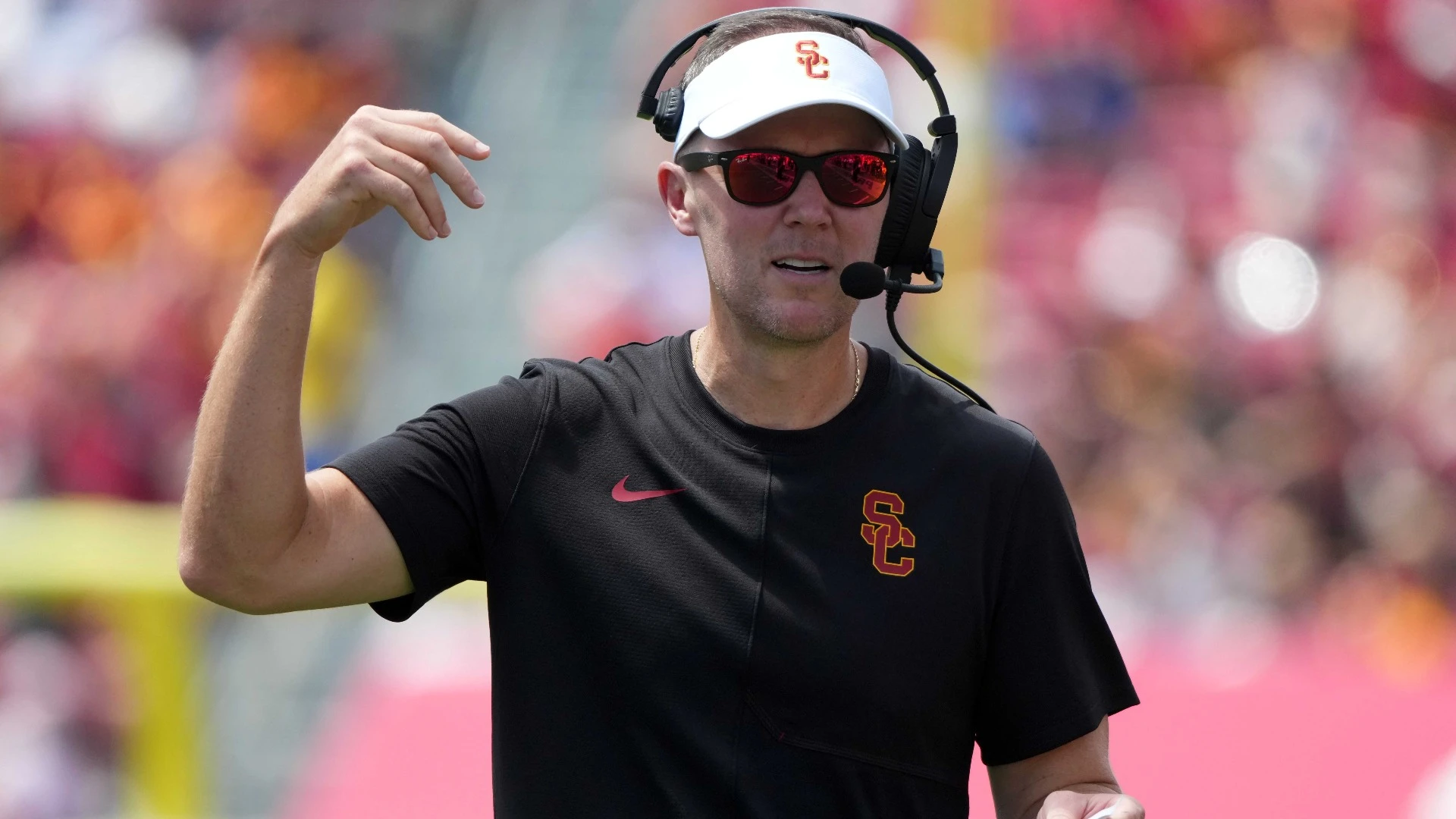
The recent low attendance at a University of Southern California (USC) football game against San Jose State has sparked quite a conversation, particularly given the tough conditions on the day of the game. With temperatures nearing 100 degrees in Los Angeles and USC not performing optimally in recent seasons under Lincoln Riley, many fans chose to stay away. Despite being a top-ranked team going up against a less formidable opponent, the severe heat played a significant role in discouraging attendance.
USC, historically a powerhouse in college football, is undergoing a phase where their performance hasn't been up to their usual standard. This fact, combined with unpredictable weather conditions, has contributed to lower game day turnouts. The discussion extends beyond just the weather or team performance, highlighting a broader issue with scheduling decisions at USC. Critics suggest that USC could benefit from more engaging matchups early in the season to boost attendance and support.
Part of the challenge lies in balancing the desire for strong ticket sales and fan engagement against the physical well-being of attendees in harsh weather. This scenario brings to light the complex decisions faced by athletic departments, especially in competitive sports cities like Los Angeles, where there are numerous entertainment options. Suggestions have been made that games like these should be scheduled at more appropriate times, perhaps later in the day when temperatures are cooler.
Moreover, the conversation touches on the broader cultural attitudes towards college football in Los Angeles compared to other regions like Alabama or Auburn, where the sport often garners more fervent support regardless of the conditions. This difference in fan engagement levels reflects regional disparities in sports culture across the United States.
In conclusion, while USC continues to draw loyal support when contending strongly for national titles, the combination of early-season scheduling against less competitive teams and extreme weather conditions can significantly impact fan turnout. These factors are essential considerations for USC's athletic department when planning future games, especially in maintaining a balance between competitive allure and attendee comfort.



BETTING NEWS
FUTURES

