


Impact of NIL Deals on Upcoming College Football Season
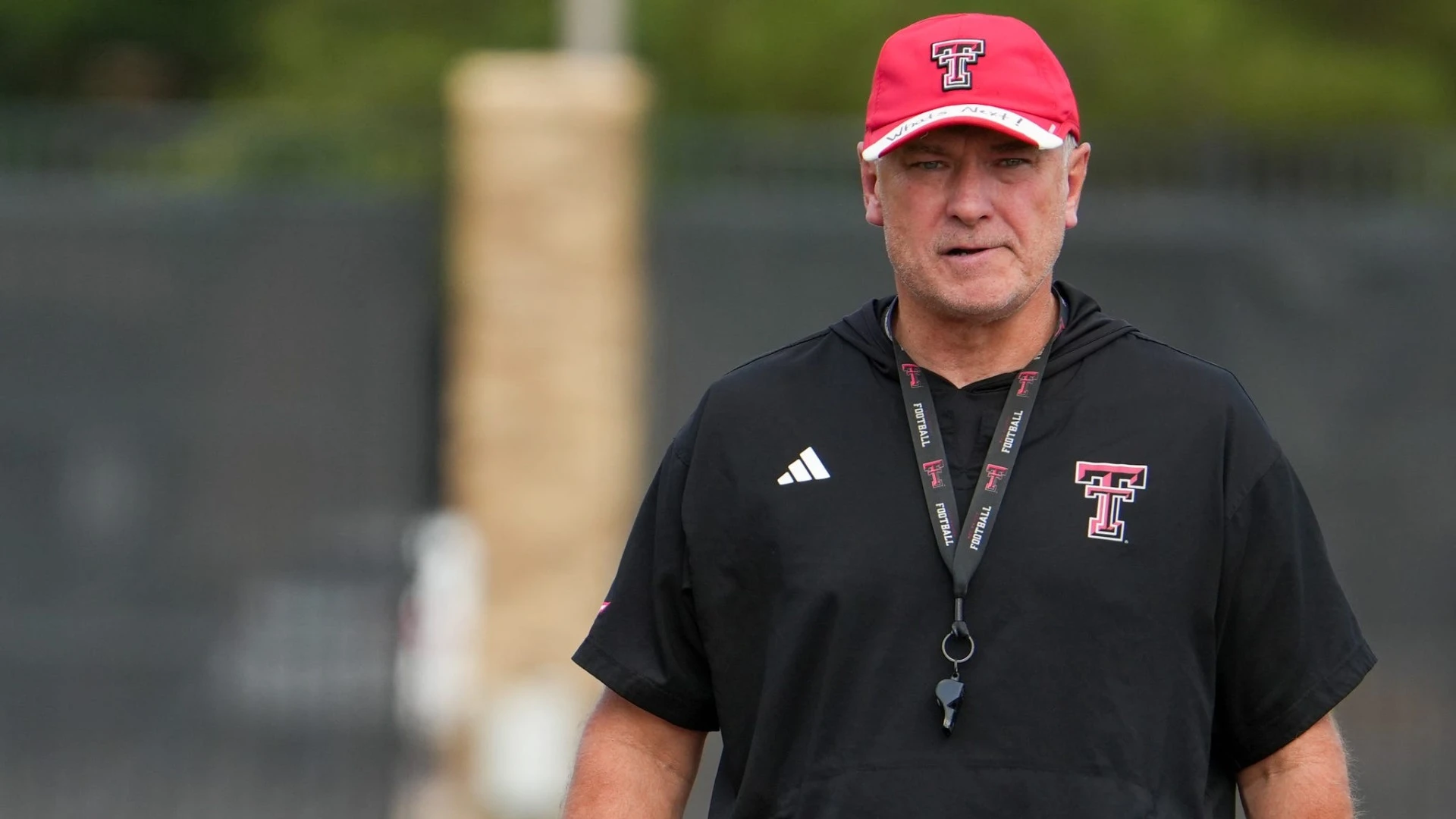
Segment Spotlight: Quick Hits From Outspoken With Dan Sileo
Exploring the Impact of Paying College Athletes
With another college football season underway, Brad and Dan Sileo delved into the complex world of athlete compensation in college sports. Brad expressed astonishment at the rapid escalation of player contracts, mentioning that some college football players are now securing deals worth up to $8 million, a figure that far exceeds initial expectations when athlete compensation was first introduced. This development has not only reshaped expectations but also the overall landscape of college sports.
Dan Sileo pointed out a noteworthy side effect of these lucrative deals, such as NIL (Name, Image, and Likeness) agreements, which are keeping athletes in school longer. With the potential to earn significant money as college athletes, players are more inclined to complete their education rather than leaving early for professional leagues. This trend is beneficial for both the athletes, who gain more experience and education, and the sports programs that enjoy higher levels of talent and maturity in their teams.
However, the conversation also touched on the broader implications of this new era. Both Dan and Brad discussed the current state of the sports industry, acknowledging that while the on-field product might be thriving, the administrative and regulatory framework surrounding college sports is in disarray. The lack of uniform rules across different states and the absence of a central governing authority have led to a fragmented system that could benefit from more streamlined regulations and possibly government intervention.
In conclusion, while the shift towards player compensation has undeniably enhanced the quality of college sports, it has also introduced a range of legal and regulatory challenges that need addressing to ensure the long-term health and fairness of collegiate athletics.



BETTING NEWS
FUTURES

