


Lincoln Riley’s $70M USC Buyout Sparks Heated Debate
Segment Spotlight: Quick Hits From The Sporting Tribune Today
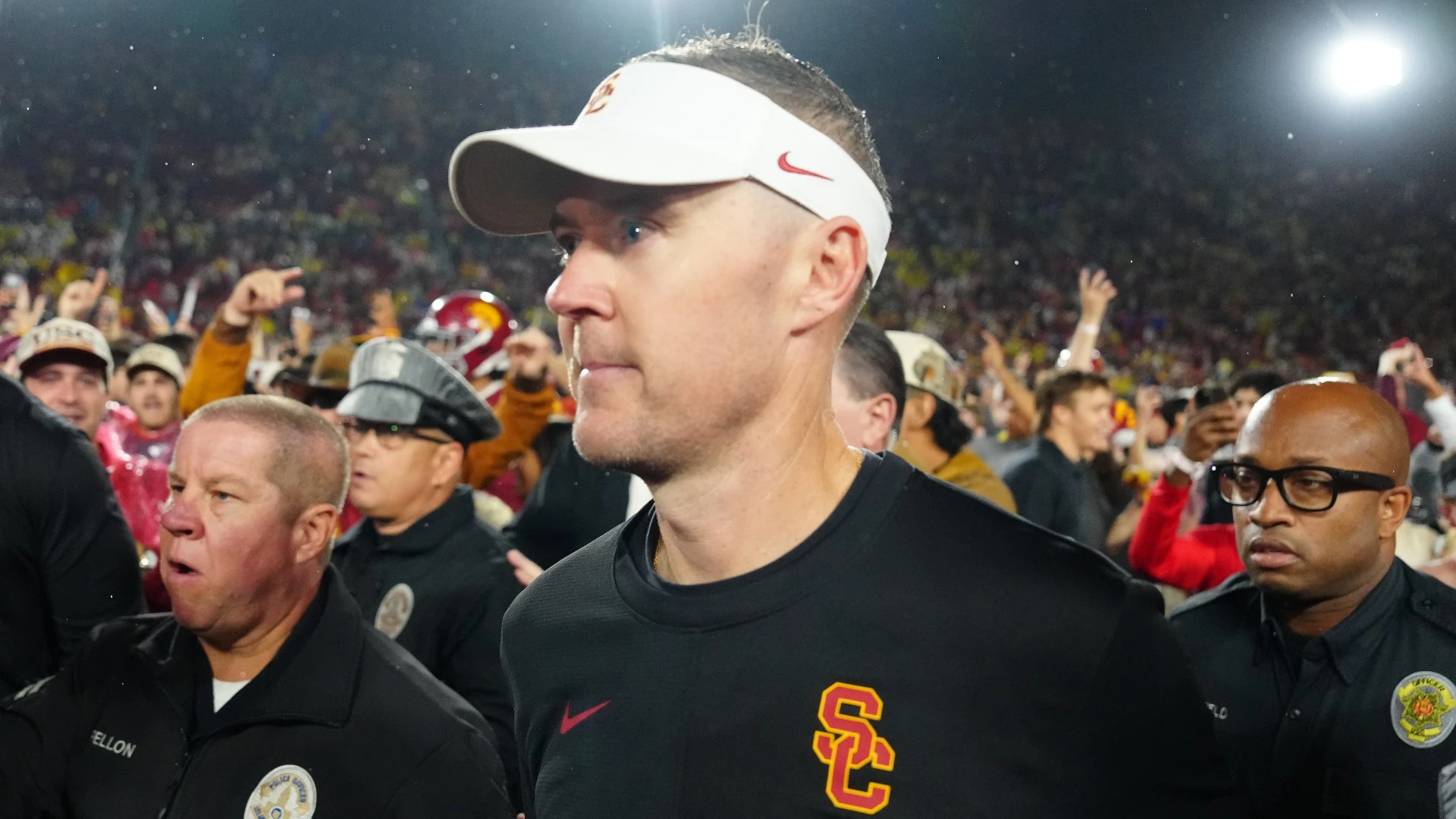
Lincoln Riley’s USC Buyout Sparks Debate Over Results and Expectations
A debate over Lincoln Riley’s future at USC centered on whether the cost of his estimated buyout should prevent the university from making a coaching change. One side argued that USC should accept the financial hit because the program has not received the results expected from Riley’s contract.
Riley’s buyout was cited as being widely estimated at around $70 million. The opposing view was that such a large payment is the primary reason USC will not fire him. Unless Riley voluntarily walks away, the university would need to find the money to complete the buyout while also dealing with the circumstances surrounding his departure.
The response was that keeping the money does little for USC if the program is not getting the level of performance it paid for. If USC found the money to bring Riley from Oklahoma, the argument went, it should be able to find the money to move on from him. Questions were also raised about spending on transfer portal players and NIL, as well as whether strong recruiting classes have translated into meaningful results.
The discussion then turned to USC’s recent performances, including scoring seven points in a loss to Wisconsin, losing at Indiana after three interceptions from the quarterback, and earning a notable win over Ohio State. The Ohio State victory was praised, but it was not viewed as enough to justify extending patience for several more years.
Caleb Williams’ time at USC was also used to question Riley’s results. Williams won the Heisman in his first year, returned the following season, and was expected to help USC compete for a national championship. Instead, the team barely beat Cal 50-49 and was described as losing five of its final six games before Williams was drafted number one.
The segment closed with a broader view of USC’s championship history and the belief that the program tends to reach that level every 20 to 25 years. With another anniversary approaching, the conversation mixed frustration over the current direction with hope that USC could eventually compete for a national title again.
BETTING NEWS
FUTURES
