


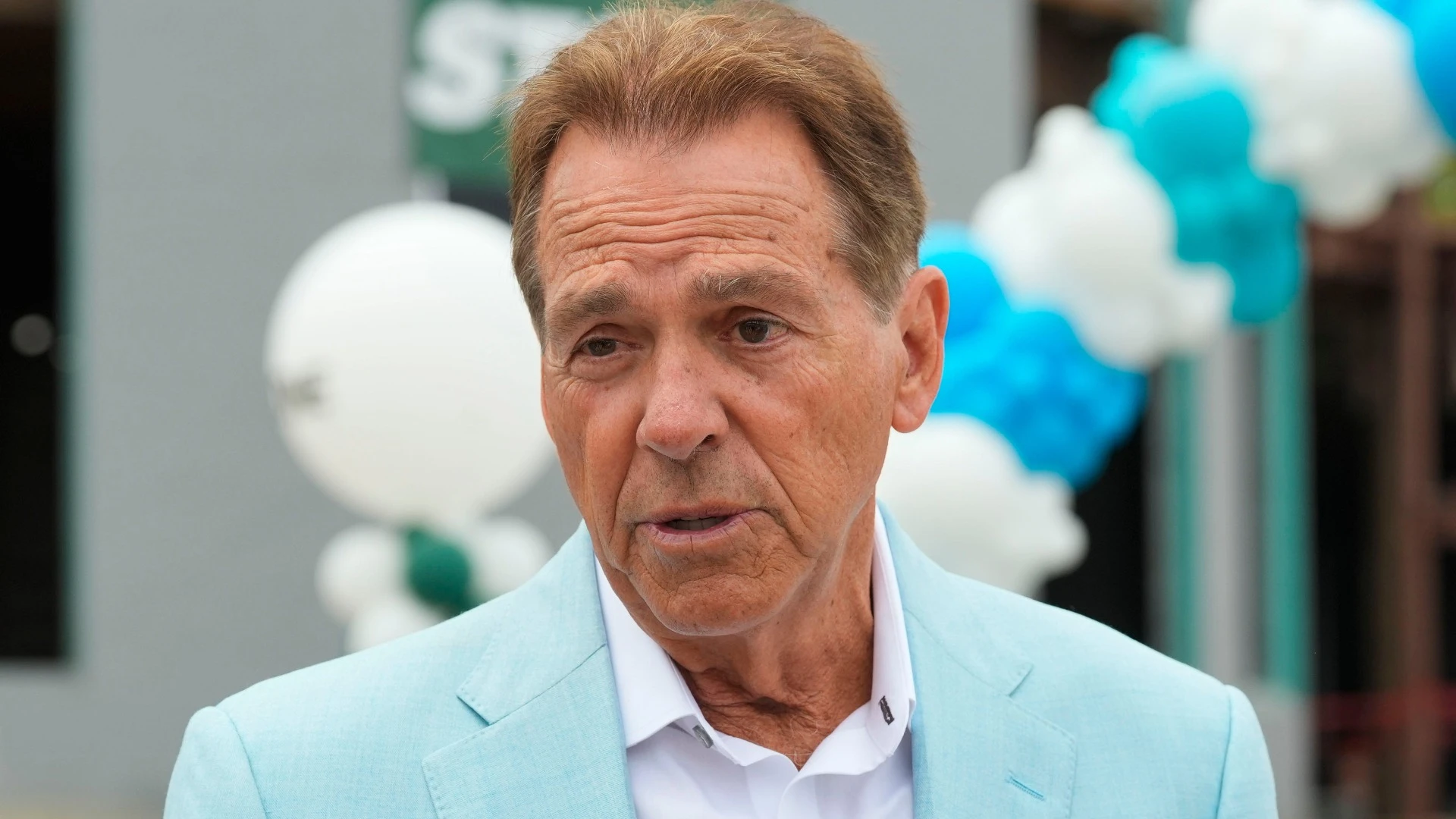
Nick Saban Speaks on How NIL Is Impacting College Sports
Segment Spotlight: Quick Hits From The Craig Carton Show
Nick Saban's Comments on NIL and the Transformation of College Sports Funding
Nick Saban recently expressed concerns that without investing up to $20 million annually, college football programs cannot compete effectively. This statement has sparked discussions, especially from those skeptical of past practices, where funding often occurred beneath the table. Saban, known for his prominence in college football, echoes sentiments similar to other veteran coaches who previously navigated the unregulated realms of player compensation. This shift from under-the-table dealings to legally sanctioned financial support through Name, Image, and Likeness (NIL) arrangements is transforming college sports, making it a more level playing field.
Historically, dominant teams like Alabama could outcompete others by financially incentivizing players unofficially. However, current regulations allow for transparent financial contributions, diluting the monopolistic power of historically dominant programs. For instance, universities like Indiana have risen in competitive ranks, thanks to significant contributions from wealthy donors like Mark Cuban.
This transformation is also evident in women's sports, where teams like South Carolina basketball have seen substantial investment, enhancing their competitive edge. Such changes underscore a broader trend towards equality in collegiate athletics, no longer confined to men's sports.
During the segment, the financial capabilities of major universities were highlighted. For example, SEC schools reportedly have an average endowment of about $6 billion, which theoretically allows them ample financial flexibility to support their athletic programs extensively. This vast financial reservoir contradicts complaints from figures like Saban about the feasibility of substantial investments in sports programs, especially when these programs often generate significant revenue themselves.
The discussion also touched on personal anecdotes and experiences, underscoring the existing potential for alumni and other donors to influence sports programs significantly through legal channels. The case of Syracuse, with its substantial endowment, was mentioned as an example where internal funding could be mobilized more effectively without solely relying on external donations.
The evolving landscape of college sports funding, through mechanisms like NIL, challenges the traditional paradigms of team financing and competitiveness. It also raises questions about the equitable distribution of resources and the strategic decisions made by universities in leveraging their financial assets for athletic success.



BETTING NEWS
FUTURES

