


Sorsby's Shocking Return to College Football Post-Ruling
Segment Spotlight: Quick Hits From The Bobby Carpenter Show
Ruling May Allow Sosby to Play College Football Despite Controversial Past
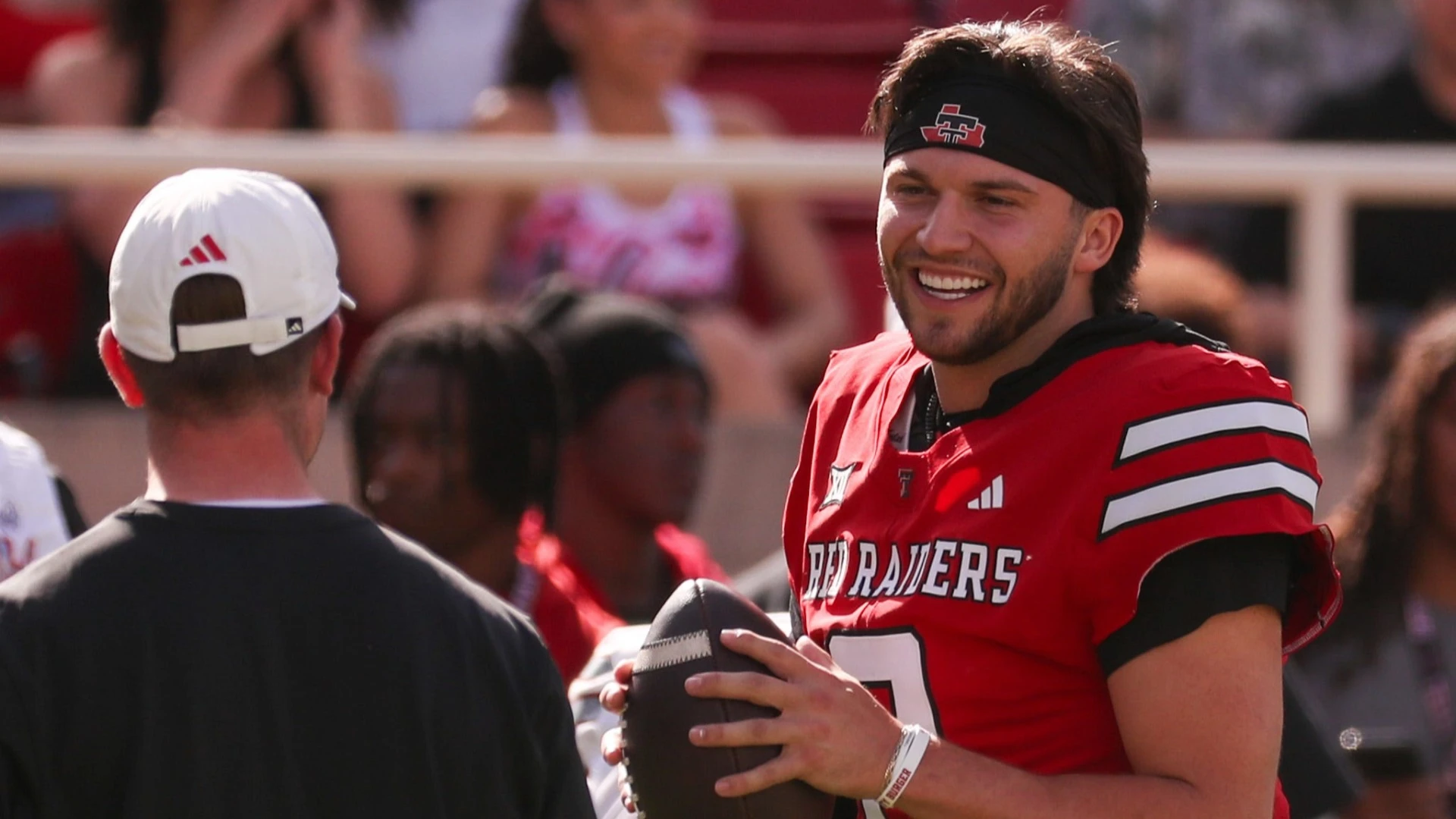
In a recent development from Lubbock, Texas, a judge has issued an injunction for Brendan Soresby, potentially allowing him to return to college football. This decision has stunned many, including myself, shifting my opinion drastically on whether Soresby would ever play again. Initially, it seemed almost certain that Soresby would not take another snap in college football, especially considering the generally accepted nature of his long-term suspension due to severe infractions. However, this new ruling has swung the odds; I now believe there’s an 80% chance or higher that he will play.
The complexities of the legal challenges surrounding this case are vast. Despite the potential for an appeal, it is reported that the appellate court is unlikely to prioritize this hearing before another pending appeal, given their current workload. This adds another layer to the unfolding drama and contributes significantly to the likelihood of Soresby returning to the field.
There's much debate over how the Big 12 Conference will react, particularly whether other schools might refuse to play against Texas Tech if Soresby participates. But from a practical standpoint, considering the influence of money, notably highlighted by Big 12 commissioner Brett Yourmark, it seems improbable that significant financial decisions like game cancellations would lean on the actions involving a single player.
The overwhelming reaction from the sports and legal communities points to incredulity and disappointment, particularly given that Soresby's infraction—severe enough to warrant what could have been a season-long suspension—might only sideline him for two games. This scenario raises questions about consistency and fairness in collegiate sports discipline, especially when compared to previous cases like that of Calvin Ridley, who faced much harsher penalties for similar issues.
Moreover, the reactions from Texas Tech's administration have not helped the situation, possibly exacerbating public relations and ethical concerns surrounding Soresby’s swift return to the field. This scenario leaves many pondering the true motivations behind the judicial and administrative decisions—whether they stem from genuine support for a young athlete's rehabilitation or more financially driven considerations tied to Soresby's marketability and associated contracts.
Ultimately, this situation sheds light on broader issues within the sports community regarding how infractions are punished and how athletes are rehabilitated, reflecting on systemic values and the intersection of sports, education, and business. As we watch this situation continue to unfold, it remains to be seen how it will impact the broader realm of college football and the legal standards applied within it.




BETTING NEWS
FUTURES

