


Bears Fans Outraged Over Ownership and Media Silence
Segment Spotlight: Quick Hits From Outspoken With Dan Sileo
Bear Fans' Frustration and the Concept of "Chicagoland"
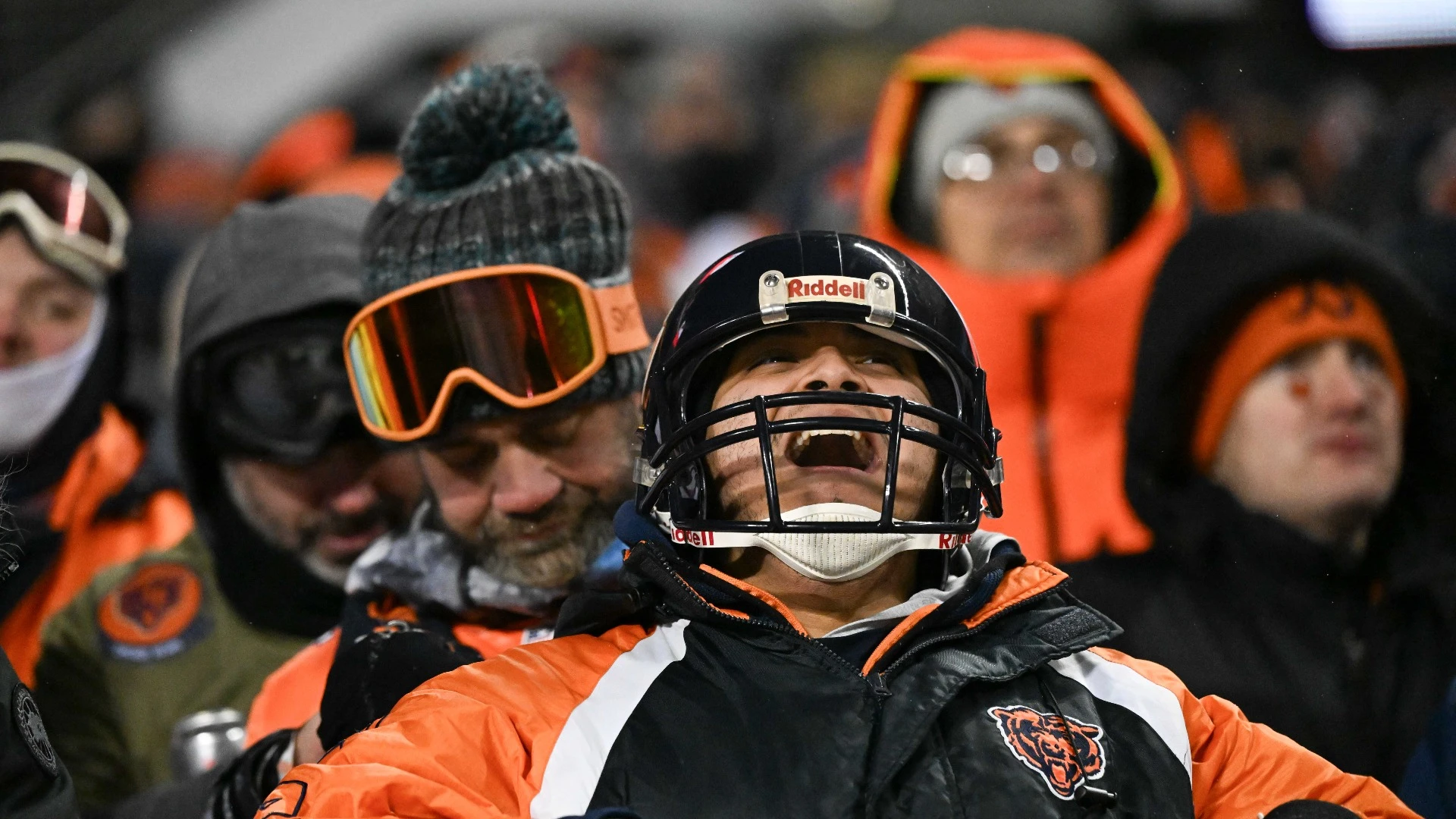
Bear fans are reportedly very frustrated, viewing the recent developments as an embarrassment to the city of Chicago. This sentiment is particularly strong among those who criticize the team's ownership, feeling misrepresented by the media who, dependent on the Bears for content, allegedly lack the courage to speak against them.
The term "Chicagoland" was also discussed, with its origins traced back to Robert R. McCormick of the Chicago Tribune in 1926. McCormick coined "Chicagoland" to encompass parts of five states—Michigan, Iowa, Wisconsin, Ohio, and Indiana—though today, it's largely seen as a marketing term with little relevance to the actual living and tax-paying realities of the residents. The usage of Chicagoland is now viewed skeptically, particularly by those living just across the border in Indiana, who face different tax implications.
There was also mention of potential legal battles over the presence of NFL teams in the region, referencing historical shifts like the Baltimore Ravens' move, which was a short distance but brought up issues of territorial rights and team placements. The example raised concerns about fairness and the validity of the so-called "75 rule," which restricts NFL teams' movements within certain geographic zones.
The conversation ended with a speculative suggestion for Pat Ryan, a minority owner of the Bears, to consider investing in a new entertainment complex and stadium, potentially inviting another NFL team to move into the area to capitalize on the dissatisfaction with current management and ownership dynamics.



BETTING NEWS
FUTURES

