


Caleb Williams Injury Update & NFL Quarterback Concerns

Craig Mish
Host · Writer
Segment Spotlight: Quick Hits From Game Time Decisions
Quarterback Injuries and Team Decisions: Insights and Implications
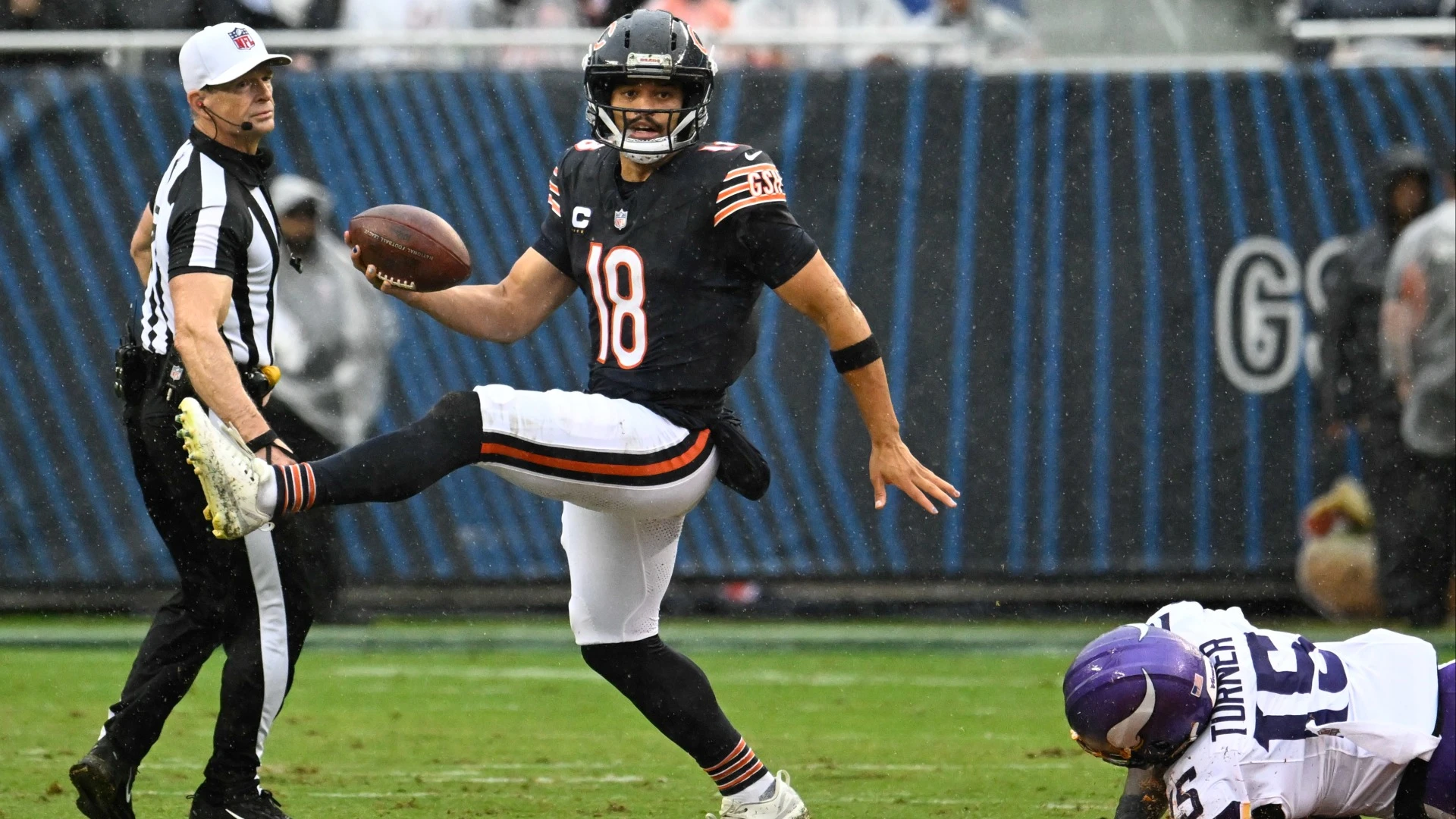
The status of Caleb Williams ahead of tonight's game has been a topic of concern. Initially diagnosed with a grade 1 hamstring injury, there has been some revision, and it is now considered a grade 2 injury. Although there was initial optimism about his quick return, the reality is more cautious, with expectations now set potentially for a return the week after next. This careful approach mirrors other injury management scenarios in the NFL, such as Travis Etienne and Zay Flowers, aiming to prevent reaggravation.
In the meantime, the Chicago Bears are opting for Case Keenum over the younger Tyson Padgeon, who has cleared the concussion protocol but lacked sufficient practice time with the first team. Given Keenum's experience and familiarity with the NFL, this choice appears strategically sound for managing the current game without long-term implications for the quarterback lineup.
The broader discussion on quarterback injuries in the NFL reveals a significant trend affecting gameplay. The season has documented several instances where quarterbacks were replaced due to injuries, affecting the quality and scoring of games. The style of play, characterized by mobility and extending plays, frequently exposes quarterbacks to higher injury risks. Historical comparisons show that quarterbacks like Philip Rivers, Eli Manning, and Tom Brady, who opted for quicker releases and less mobility, sustained fewer injuries and enjoyed longer careers.
This shift in gameplay demands adaptations in strategy and training to mitigate risk factors associated with mobile quarterbacks. As the NFL continues to evolve, teams might need to reconsider their approach to quarterback play, balancing dynamic offensive actions with the health and longevity of their key players.




BETTING NEWS
FUTURES

