


Croatia's Football Passion: A History of Success & Culture
Segment Spotlight: Quick Hits From Football Nation
Croatian Football: A National Passion With a Rich History
Few countries rival Croatia's passion for football, a sentiment deeply ingrained in its culture and history. Despite its modest population of just 4 million, Croatia has achieved remarkable success in international football, reaching one World Cup final and two additional semi-finals within their first seven tournaments. This success is attributed not only to the talent and resolve of Croatian players but also to the nation's vibrant and intense supporter culture, one of the most fervent in Europe.
Croatia’s football history dates back to beyond its independence in 1992, when it was part of Yugoslavia. During this period, Croatian players were key contributors to Yugoslavia's prominence in international football, especially noted during the 1950s and 1960s. This included participation by Croatian players in significant matches, such as a 1953 game against a world eleven, where four members of the squad were Croatian. As Yugoslavia neared its end, a golden generation of Croatian talent began to emerge, highlighted by their triumph at the 1987 FIFA World Youth Championship with stars like Zvoimir Boban, Robert Prozinsky, and Davo Chouca.
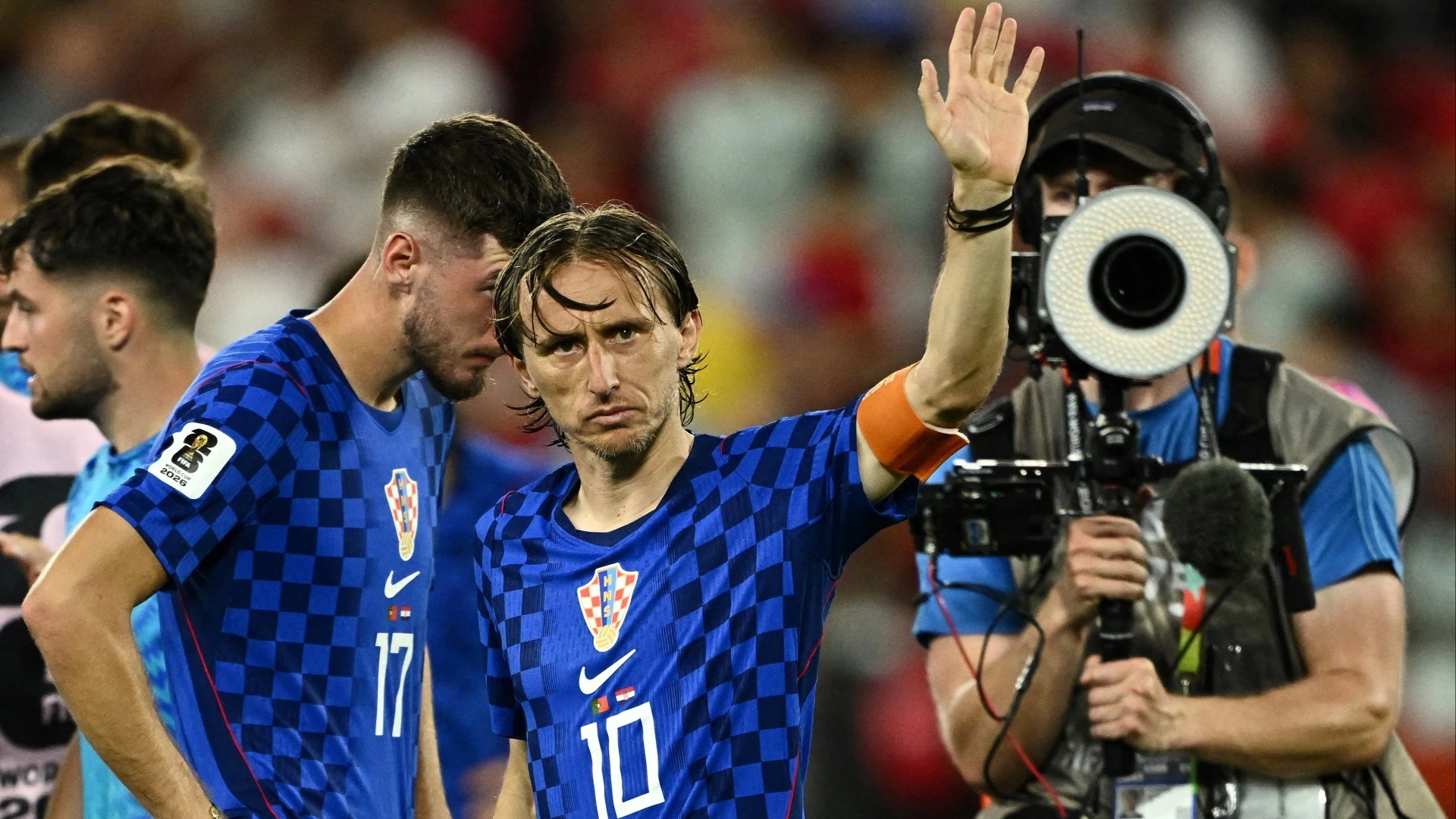
Following independence, these players became the backbone of the Croatian national team, making an unforgettable impact in major tournaments during 1996 and 1998. Their technical skill, along with a unique and iconic national jersey designed in 1990 by Miroslav Shutez, fostered a strong national identity on the global stage. The iconic checkerboard pattern of the jersey, combined with the aggressive chanting and the lighting of flares by fans, created an imposing presence, though it sometimes escalated into hooliganism and underscored the complex intertwining of football and ethno-nationalism in the region.
The national team plays its home games at Stadion Maximir, located in the capital city and home to Dynamo Zagreb, a club that has been a dominant force in Croatian football post-independence. While Dynamo Zagreb is celebrated for winning three-quarters of all league titles since independence and the Intercity Fairs Cup in 1967, its ability to translate domestic achievements into continental success has been limited. This is partly attributed to the economic disparities in football, where even though Croatia's domestic transfer record stands at just €5 million, players such as Luka Modric and Joscovadol have commanded significant transfer fees from richer European leagues. This economic model has significantly contributed to the national team's ability to consistently punch above its weight on the international stage, cementing Croatia's status as a formidable force in the world of football.




BETTING NEWS
FUTURES

