


Marcello Lippi's 2006 World Cup Strategy for Italy
Segment Spotlight: Quick Hits From Football's Greatest Stage
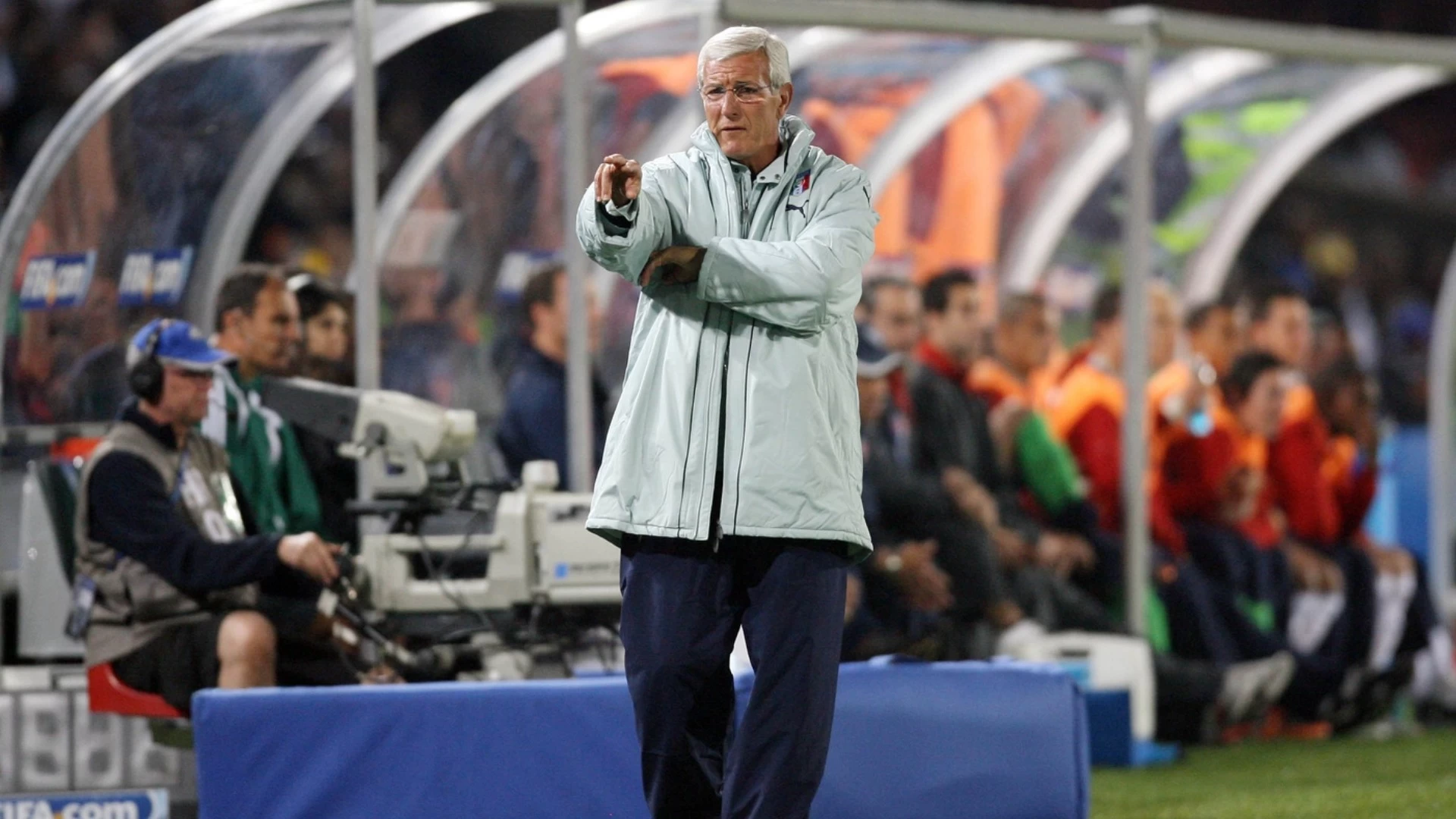
Marcello Lippi's Journey with Italy in the 2006 World Cup
During the 2006 World Cup, Italy's coach, Marcello Lippi, was faced with the challenge of overcoming historical setbacks against France. With memories of defeats in previous tournaments, including the 1986 and 1998 World Cups, and the 2000 UEFA European Championship, Lippi focused on promoting team unity to combat the past demons and secure victory. His successful tenure as manager of Serie A's Juventus had instilled a culture of success that he brought to the national team, emphasizing the importance of mental strength.
Lippi's strategic prowess was on full display as Italy progressed through the tournament. The team advanced from the group stages with two wins out of three games and went on to defeat Australia, Ukraine, and Germany. Key players like Francesco Totti, who had made a remarkable recovery from a broken leg just four months before the tournament, and Andrea Pirlo played pivotal roles. Italy's defense, led by captain Fabio Cannavaro, was particularly impressive, conceding only two goals throughout the tournament, both of which were penalties.
The final against France was dramatic, with Zinedine Zidane scoring the opening goal for France on a penalty before Marco Materazzi equalized for Italy. The match is famously remembered for Zidane's headbutt on Materazzi, a moment that marred the final. Despite the tension, Italy excelled in the penalty shootout, securing a perfect score to win the World Cup. Lippi's belief that the game would be decided by mental toughness was validated.
Lippi's post-tournament decision to resign after such an overwhelming high was unexpected, but he briefly returned to manage the national team in 2008 after Italy was eliminated in the Euro 2008 quarterfinals. However, his tenure at the 2010 World Cup was less successful, leading to criticism over his selection choices. Despite the ups and downs, Lippi remained committed to his principles of loyalty and team unity, retiring with a legacy of resilience and no regrets.



BETTING NEWS
FUTURES

