


Morocco's Rise: World Cup Contenders & 2030 Host Nation
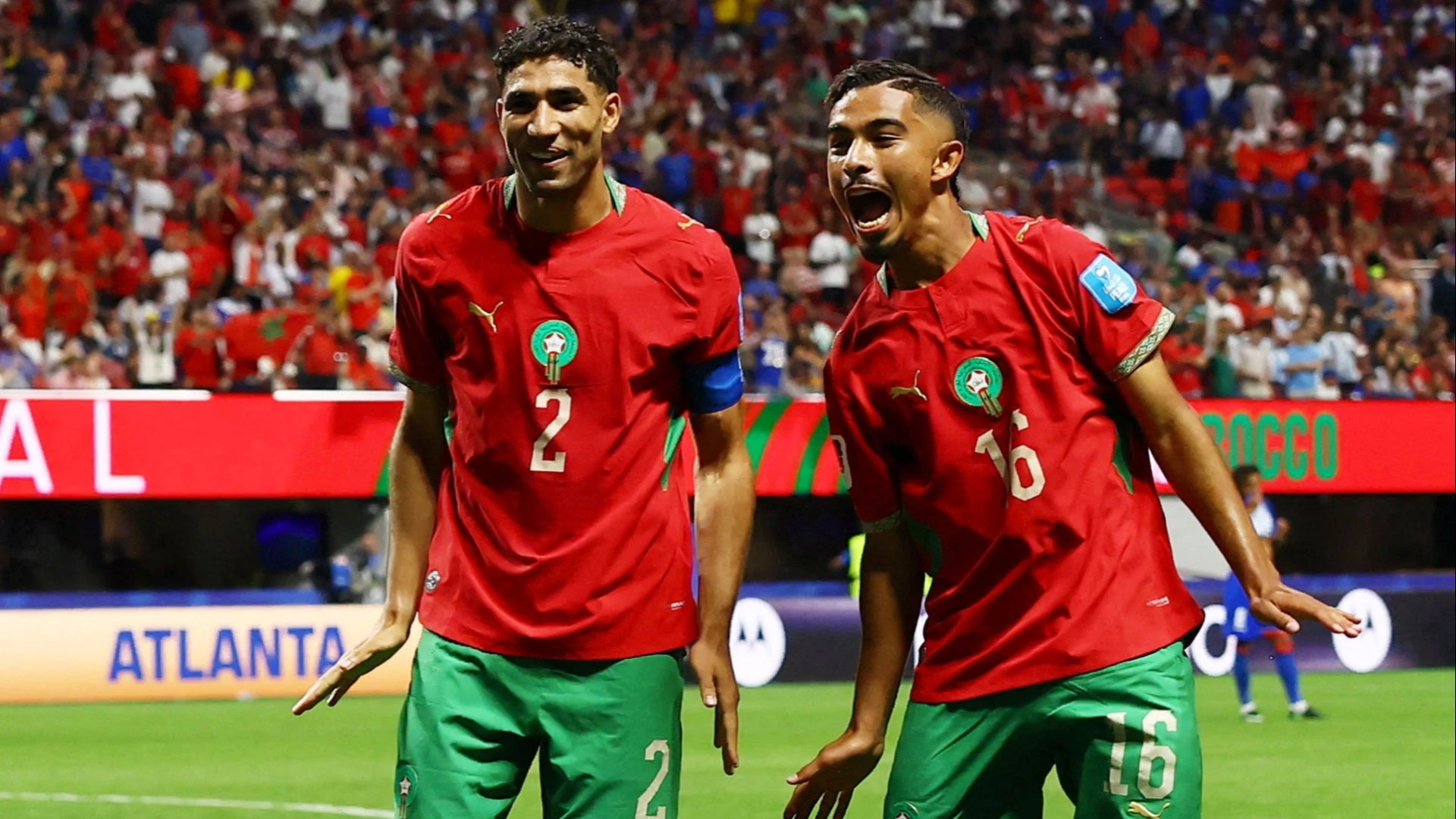
Segment Spotlight: Quick Hits From Football Nation
World Cup Aspirations and Historic Achievements in African Football
As the 2030 World Cup approaches, hosted in Casablanca, Morocco is seen as a genuine contender for the title. Fresh off their historic run to the semi-finals in the 2022 World Cup, where they defeated Belgium, Spain, and Portugal, the Atlas Lions have reignited a sense of national pride and ambition. Despite falling to France in the semi-finals, the team's remarkable journey has left a lasting impact, emphasizing the importance of collective spirit and determination.
Morocco's success in Qatar was part of a broader trend of pioneering achievements for African teams on the world stage. In 1970, Morocco was also the first African team to earn a World Cup point. Their continued success, along with that of other African nations, showcases the rising standards of football across the continent. Tunisia, for instance, made their mark by winning their only Africa Cup of Nations in 2004, while Algeria celebrated a victory in the same tournament in 2019, long after their memorable performance in the 1982 World Cup that led to significant changes in FIFA's match scheduling rules.
Despite these successes, challenges remain. Egypt, despite producing world-class talent like Mohamed Salah, has struggled to make a significant impact at the World Cup, hindered by the predominance of local league players in their national squad. This highlights the complex dynamics of football development in African nations, balancing between local strength and the necessity for broader international experience to compete on the world's biggest stage.
Overall, the journey of Moroccan and other African football teams continues to inspire and reshape perceptions of African football, blending hope, history, and a relentless pursuit of greatness on the international stage.



BETTING NEWS
FUTURES

