


Oceania Clubs at the Club World Cup: A Glimpse into OFC
Segment Spotlight: Quick Hits From Football Nation
Oceania's Club Teams at the FIFA Club World Cup
Participation in the FIFA Club World Cup has been a consistent highlight for club teams from the Oceania Football Confederation (OFC), despite the challenges faced by national teams in accessing the World Cup. The path to the Club World Cup often goes through winning the OFC Champions League, a competition frequently dominated by Auckland City FC from New Zealand, who have clinched the title a record 13 times.
Ange Postecoglou, who later managed Tottenham and Celtic, made his international coaching debut at the Club World Cup in 2000 with South Melbourne. Although the Australian team lost all three matches against Nkaka, Vasco da Gama, and Manchester United, this set a foreseeable pattern of performance for OFC club sides against some of the world's best football clubs. Despite usually being semi-professional, these teams face fully professional squads, making victories scarce yet meaningful.
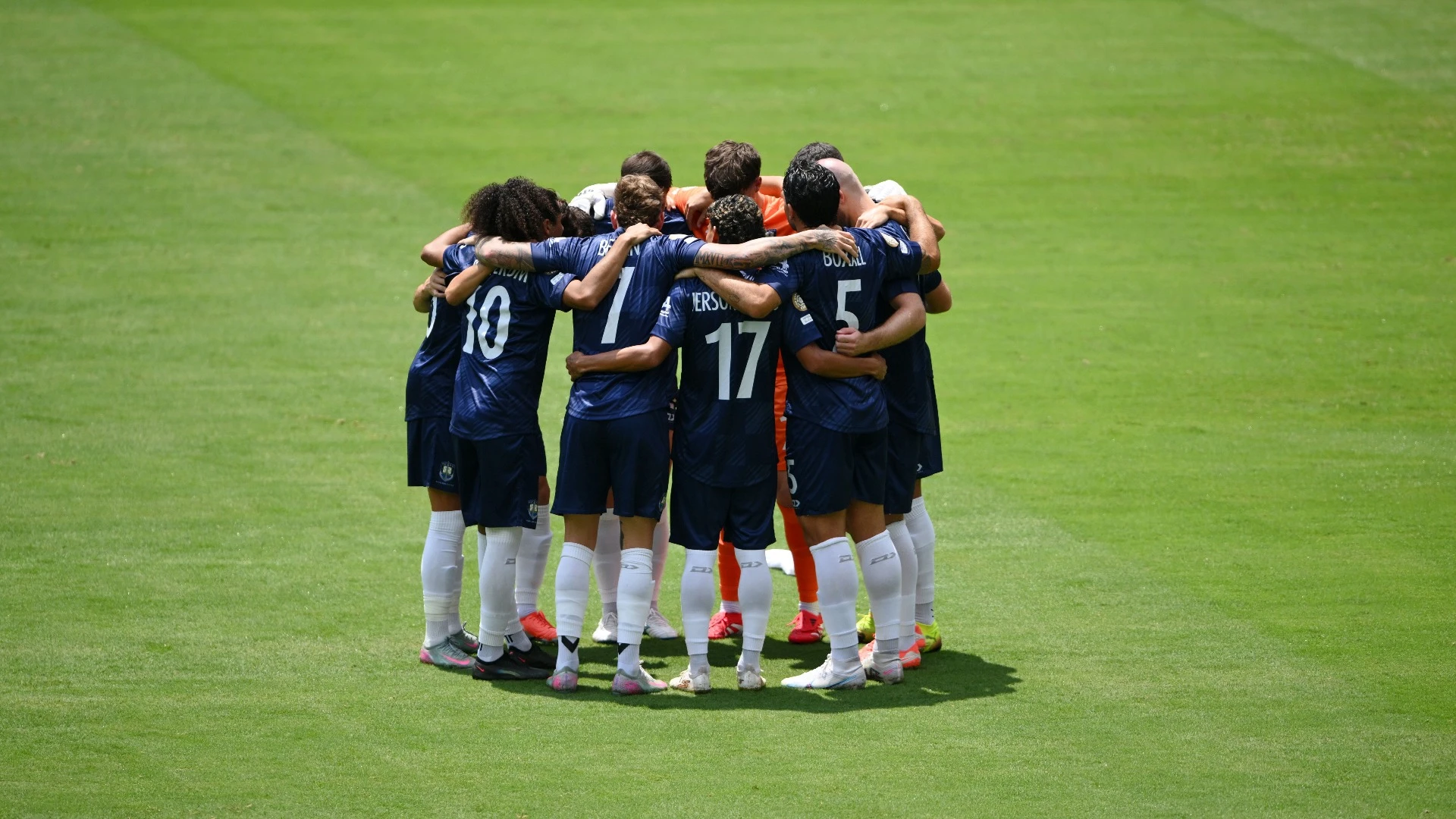
Auckland City FC, known as the Navy Blues, holds the record for the most appearances at the Club World Cup by an OFC team and has competed in the second most matches in the tournament's history. Their notable achievements include finishing fifth in 2009 and achieving a remarkable third place in 2014, after securing wins in normal time and through penalty shootouts. These successes have heightened the profile of New Zealand football on the international stage.
While Auckland City's dominance has been beneficial in some respects, it has also limited opportunities for other clubs in the region to experience high-level international competition. When Auckland City has not participated, other New Zealand teams like Waitakere United and Team Wellington have taken up the mantle. In 2018, Team Wellington represented OFC, and in the subsequent year, Hangini Sport of New Caledonia became just the second club outside Australia or New Zealand to compete, following Hekari United of Papua New Guinea in 2010.
The recent expansion of the Club World Cup now ensures that OFC teams will participate in at least three group matches each year. This change promises more exposure and invaluable experience for these teams, despite the evident disparities in resources and professionalism they face against global football giants. It is a significant development for the small but resilient football communities of the Oceania region.



BETTING NEWS
FUTURES

