


The Struggle of Team USA in Soccer: Matt Perrault's Analysis
Segment Spotlight: Quick Hits From Pushing The Odds with Matt Perrault
Challenges Facing Team USA in Global Soccer Competition
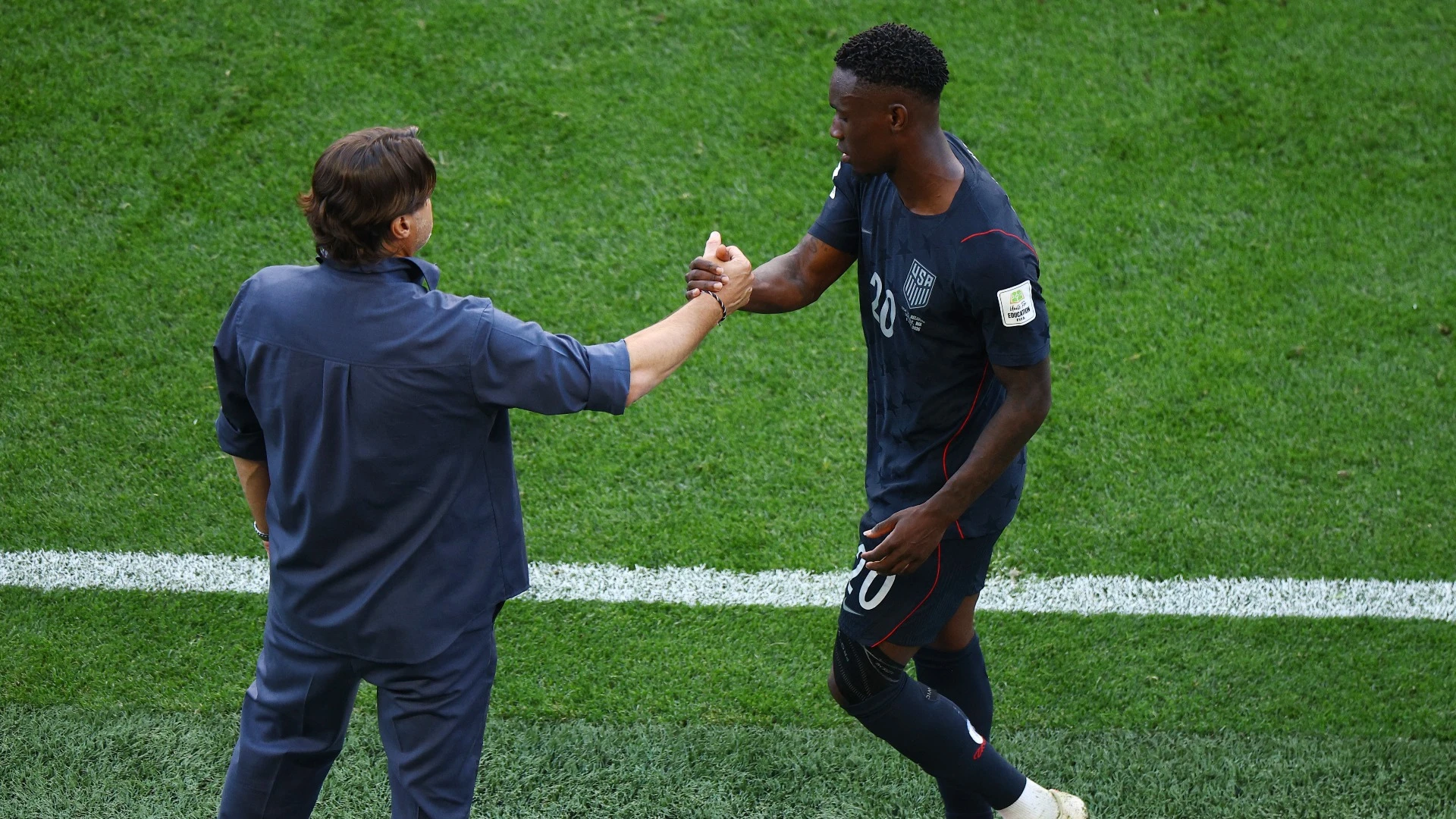
Despite increasing the number of teams in the tournament to 48 and Team USA receiving significant advantages, including favorable scheduling, home field benefits, and even presidential intervention concerning a red card, their performance remains unimproved. This was evident in their recent matchup where Team USA’s limitations were laid bare despite the off-field controversies involving the rescinding of a red card issued to a player named Baliun—a move that may have affected public sentiment but not the game's outcome.
The situation reveals a broader cultural and structural issue within American soccer. The United States does not prioritize soccer to the same extent it does other sports like basketball, football, and baseball, where the country's top athletes predominantly gravitate. Regional preferences, such as hockey in areas like the Northeast and Minnesota, also overshadow the national engagement with soccer. This disposition is supported by American sports culture, which largely revolves around sports that emphasize hand-eye coordination rather than foot skills.
Americans are more accustomed to sports that involve using hands, not playing with their feet, which translates into a cultural disinterest in soccer compared to nations where soccer is deeply ingrained from a young age. Other countries often have structured soccer academies dedicated to nurturing young talent intensively from an early age—something that the U.S. lacks. The absence of a robust development system for soccer in the U.S. limits the potential emergence of world-class soccer talent comparable to global soccer stars.
This systemic and cultural gap suggests a challenging road ahead for U.S. soccer, indicating deeper issues that go beyond mere participation in international tournaments. The national team's underwhelming performance, even when conditions seem highly favorable, raises significant doubts about its potential to succeed at the highest levels of the sport globally.




BETTING NEWS
FUTURES

