


Ayahuasca in Pro Sports: Healing or Hindering Athletes?

Marcelino Ortiz
Host · Writer
Segment Spotlight: Quick Hits From LatiNation Sports
Ayahuasca Raises Questions About Athletes, Healing and Combat Sports
The use of ayahuasca in professional sports has become a controversial topic. When Dana White was asked about it, he said he knew several fighters who had tried ayahuasca and were never the same afterward. He joked that it made them more “lovey-dovey” and said he would never do it himself.
Ayahuasca is a brew originating from the Amazon and is popular in Peru, Colombia and Brazil. It combines the root of the ayahuasca plant with the leaf of the shakuna plant, creating a DMT experience described as similar to mushrooms. It is typically consumed in a ceremonial setting with a shaman.
The experience can be rewarding and healing, but it is also serious. It may bring past trauma back to the surface and put people in touch with sensitive parts of their minds, hearts or souls. That could explain why some people appear different afterward. Once someone has received what they need from the experience, they may choose to focus on completion and integration.
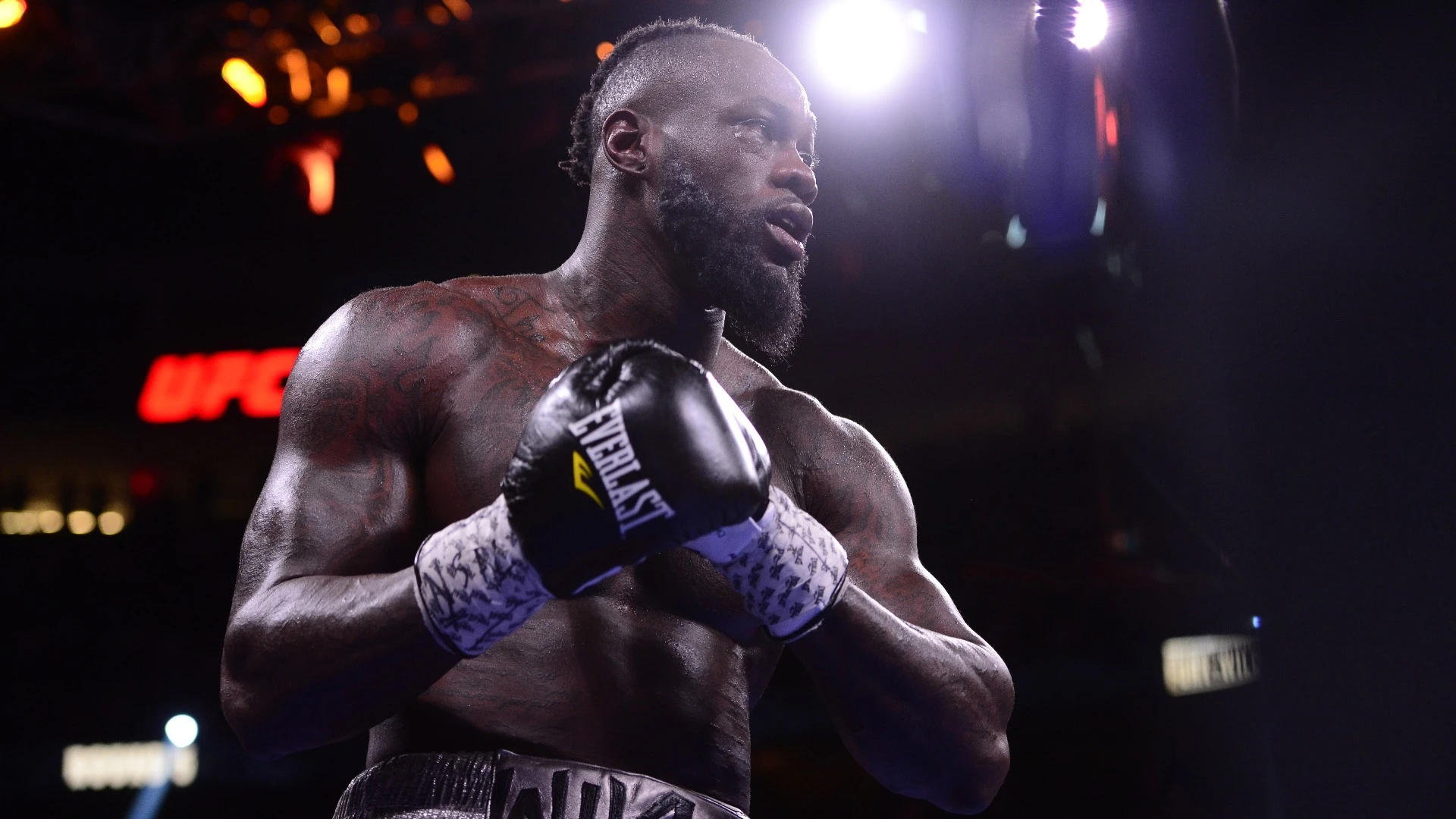
Aaron Rodgers is a prominent proponent of ayahuasca, while Deontay Wilder and Jordan Per were also mentioned among athletes exploring it. Professional athletes may search for greater meaning because sports often place such a strong emphasis on the body rather than the mind or spirit. After a profound spiritual experience, some fighters may no longer feel the same need to hurt an opponent.
That creates a particular challenge in combat sports. Kyle Kingsbury was described as one of the first UFC fighters to try ayahuasca. He had one more fight afterward and then retired. He also said he ate mushrooms before a fight and could no longer find the desire to fight.
Fighters do not necessarily need rage to compete. Anger can even take an athlete off their game. However, some mixed martial artists work through anger and rage during fights. They may objectify their opponents and detach themselves enough to continue attacking until someone taps out or the fight is stopped. Ayahuasca may rewire that mindset by connecting a person more closely with the heart.
Similar concerns apply to football and other physical sports. Athletes must give everything they have, even while knowing that a tackle, punch or kick could change another person’s life. Rules may make these sports safer, but competitors cannot always focus on an opponent’s possible injuries while performing.
Psychedelics have also become a broader subject beyond sports, alongside the legalization of cannabis and discussions about psilocybin. Athletes face significant pressure, and some experience mental damage from repeated physical impact. As society becomes more accepting of alternative therapies and experiences, athletes may explore different ways to address their mental health and connect more deeply with themselves.
BETTING NEWS
FUTURES

