


How the Brewers Built a Small-Market Baseball Powerhouse

Dan Sileo
Host · Writer
Segment Spotlight: Quick Hits From Outspoken With Dan Sileo
Brewers’ Player Development and Small-Market Success Take Center Stage
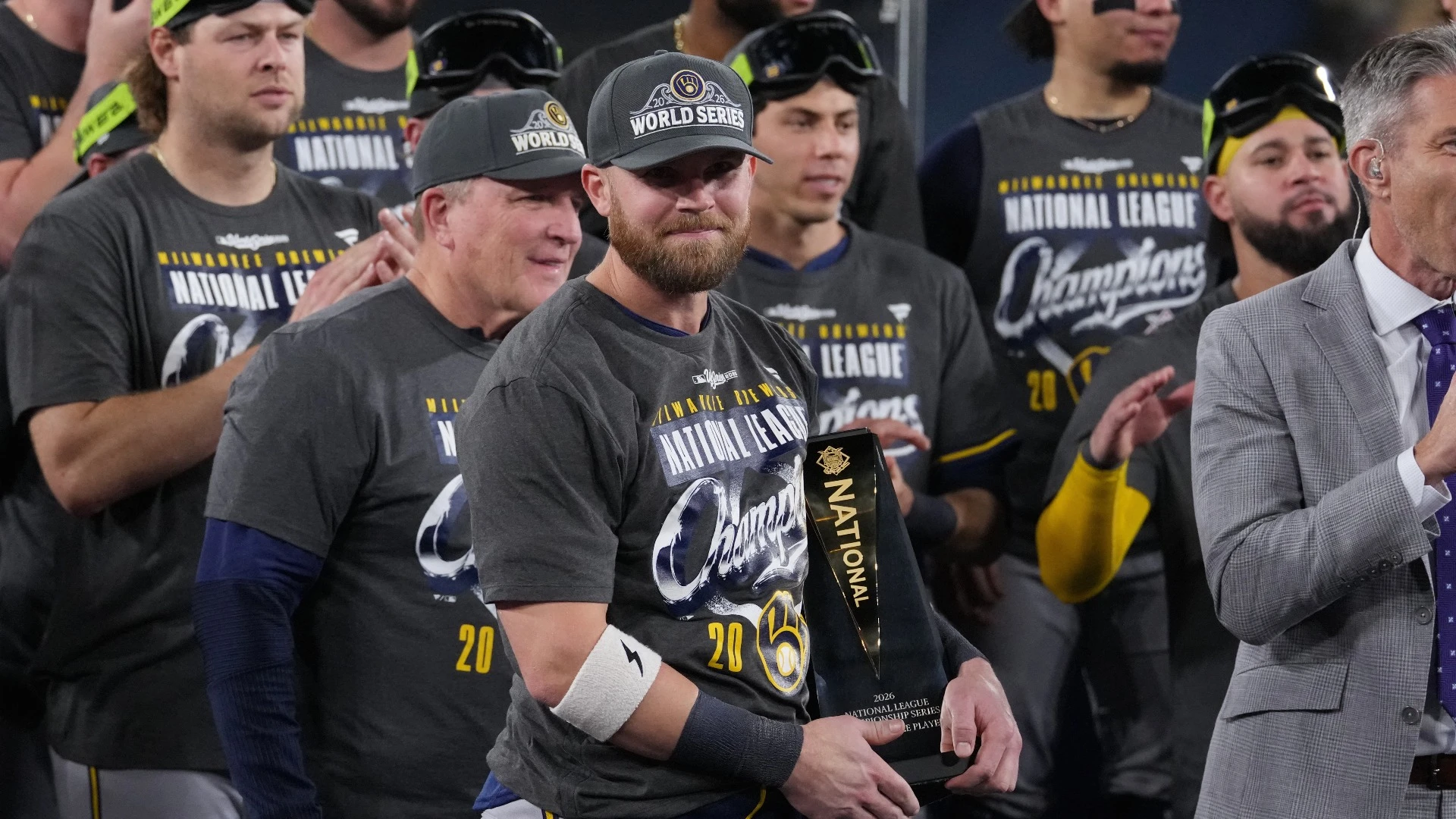
The Milwaukee Brewers have earned praise for building a strong team through player development, drafting, and overlooked acquisitions. Pat Murphy and the organization have done an outstanding job finding roles for players such as Jake Bauers while developing a talented nucleus.
Garrett Mitchell has dealt with injuries, while Abner Uribe pitched throughout the postseason until Game 4. Despite those challenges, the Brewers have continued to develop players effectively and maintain what was described as the top farm system in baseball.
With four consecutive division titles and playoff appearances in seven of the past nine years, there is little reason to expect the Brewers to slow down. While they may not match the Dodgers’ lengthy run of success, they appear capable of remaining competitive for years.
The discussion also recalled Milwaukee’s World Series history, including the 1982 team that lost to the Cardinals in seven games and Henry Aaron’s team facing the Yankees in the late 1950s.
The success of teams such as the Brewers, Rays, and Cleveland Guardians also raises questions about payroll and competitive balance ahead of a potential lockout. A World Series without baseball’s richest teams could support the argument that small-market and low-payroll clubs can win.
That argument could work both ways for the players’ union. These teams demonstrate competitive balance and show that large payrolls are not required to succeed. At the same time, their success could allow clubs to argue that they do not need to sign expensive free agents. Even so, the current postseason picture was described as a dream scenario for the union at the bargaining table.
BETTING NEWS
FUTURES

