


Jordan Hicks' Trade Impact and Boston Red Sox's Strategy
Segment Spotlight: Quick Hits From The Just Baseball Show
Analysis of Recent Trades and the Ongoing Impact of the Rafael Devers Deal
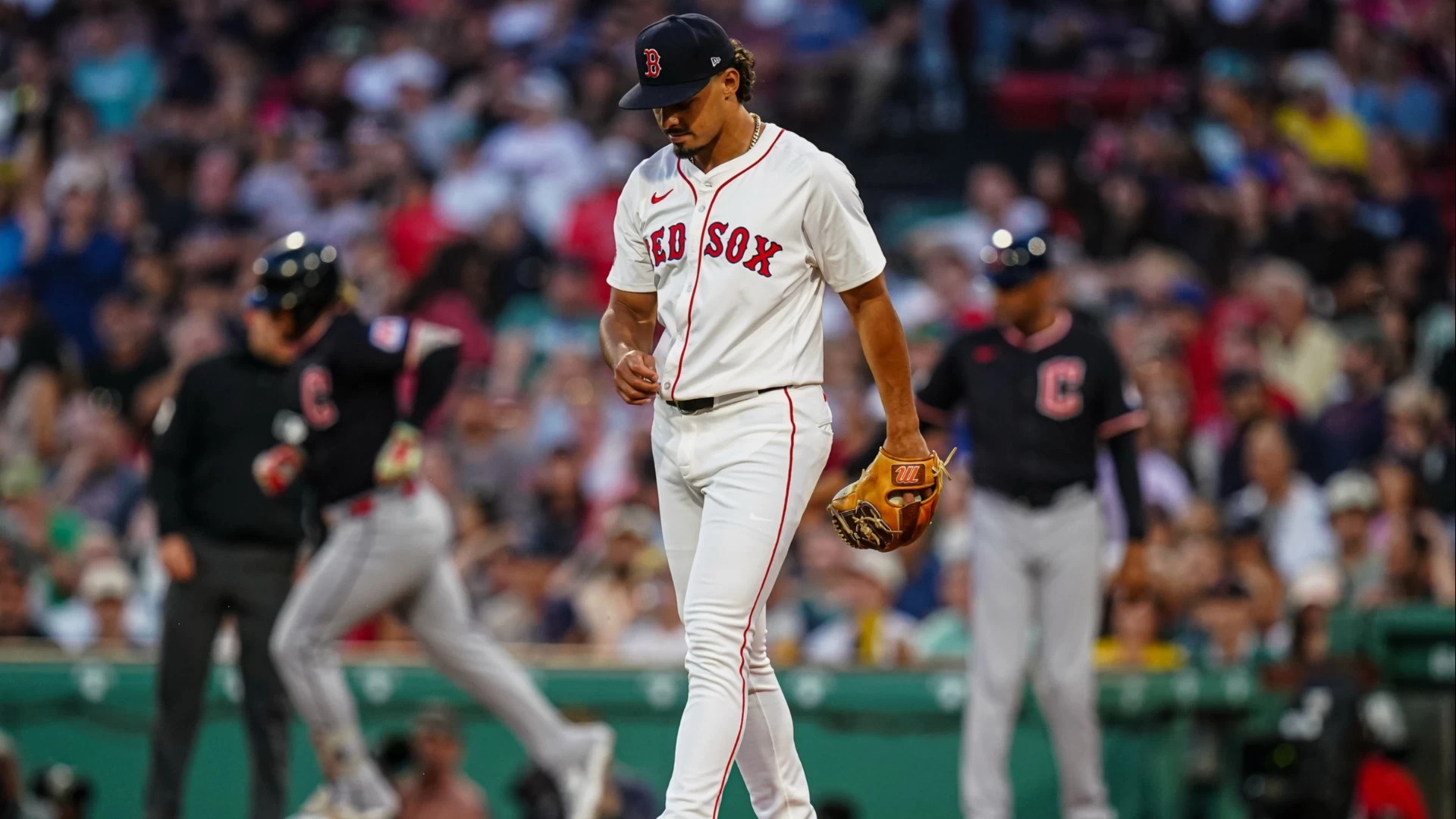
Jordan Hicks has been traded from Boston to the Chicago White Sox in a notable transaction including pitching prospect David Sandlin, two players to be named later, and $8 million in cash. In return, Boston receives Gage Zeal, a top 15 to 20 prospect in the White Sox organization, and one player to be named later. This move highlights Boston's strategy involving salary considerations, as they absorb $8 million of the remaining $25 million on Hicks' contract. This trade exemplifies the ongoing ramifications stemming from trading Rafael Devers, a move critiqued for not reinvesting the funds back into team improvements effectively.
The lack of reinvestment has become increasingly apparent as the Red Sox, despite being one of the biggest markets in baseball, have not significantly upgraded their roster post-Devers trade. They've made acquisitions such as Ranger Suarez, Sonny Gray, and Wilson Contreras. However, the financial management in these acquisitions, particularly the partial salary coverages by St. Louis for Gray and Contreras, indicates a cautious fiscal approach rather than aggressive team strengthening. The recent trade of Jordan Hicks suggests a continuation of this cautious approach, raising concerns about Boston's commitment to leveraging their financial flexibility to improve their competitiveness.
The contrast with teams like the Yankees, who transformed their asset management strategy after missing out on Juan Soto by redistributing their budget across multiple players, underscores different approaches towards asset reallocation. Boston's less aggressive strategy might lead to a longer-term strategic disadvantage, reminiscent of the outcomes seen from other big trades like the Mookie Betts deal, where the player's success elsewhere highlighted the originating team's missteps.
Only time will tell how these decisions will impact the Red Sox, but the current strategy shows a potentially concerning trend of underutilization of available financial resources, which may not bode well for their competitive edge in upcoming seasons.



BETTING NEWS
FUTURES

