


Mastering Baseball Pitches: Fastballs, Curveballs & More!

Marcelino Ortiz
Host · Writer
Segment Spotlight: Quick Hits From LatiNation Sports
Breaking Down the Fastball, Curveball and Other Memorable Pitches
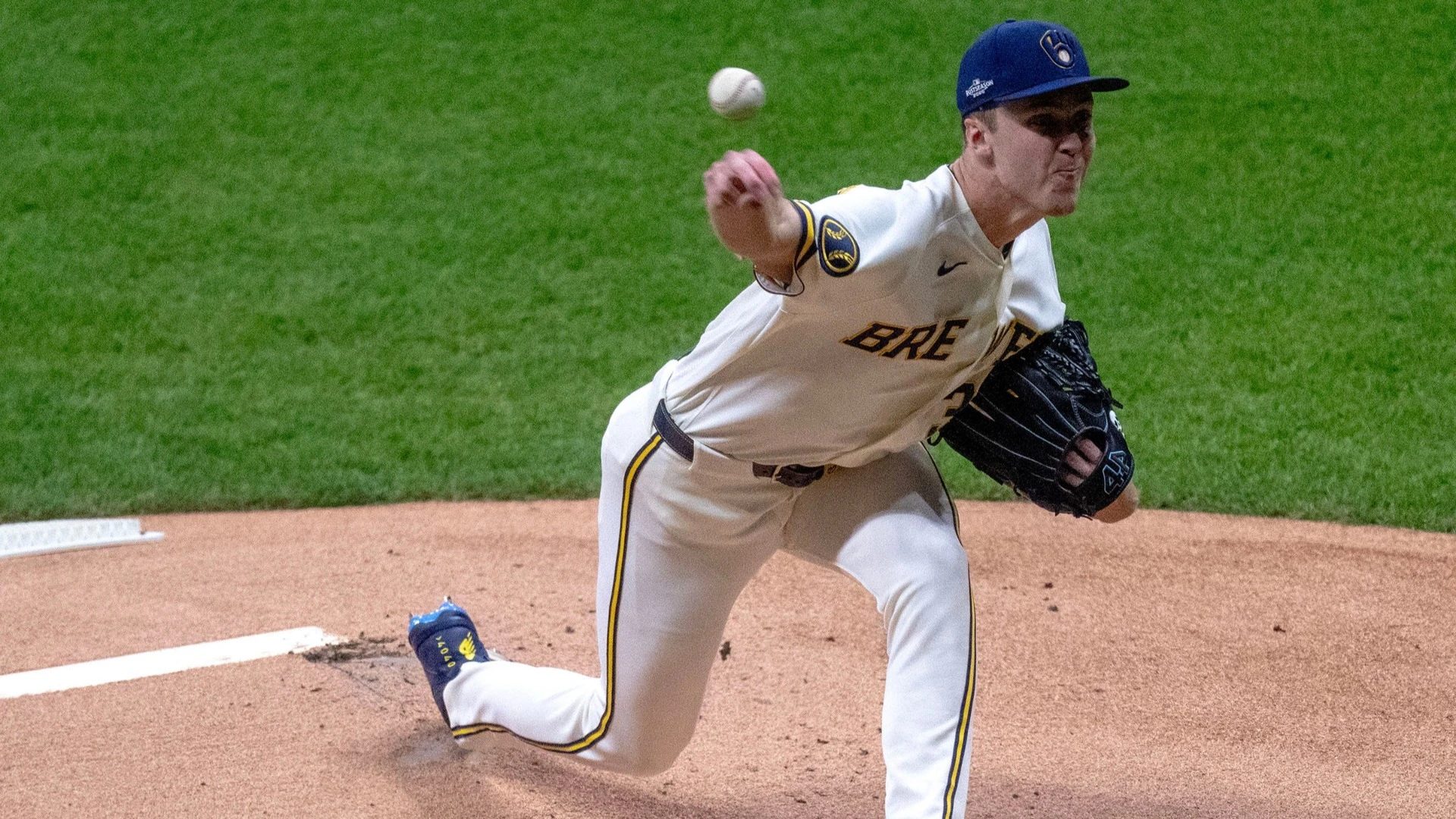
Pitchers rely on velocity, grip, seams and mechanics to make each pitch move differently. The fastball is considered the simplest pitch, although its effectiveness depends on how it is thrown. Brewers phenom Jacob Misoski, a tall pitcher born in Missouri, made it look easy by repeatedly throwing more than 100 miles per hour during the season.
There are multiple ways to grip a fastball. A two-seam fastball is intended to travel straight toward the hitter, while a four-seam grip involves positioning the fingers across the visible seams. Hand size can also make gripping and controlling the ball easier or more difficult.
The curveball becomes more complicated because its movement is created through rotation and the seams. As the pitcher releases the ball, the spin helps it curve through the air. Although velocity matters, the seams and the rotation generated during the delivery are also central to the pitch’s movement.
Pitching deliveries can be just as distinctive as the pitches themselves. Dontrell Willis was known for lifting his leg high before delivering the ball with an unusual motion. Fernando Valenzuela, known as El Toro, also had an unforgettable delivery. The left-hander looked toward the sky before throwing his screwball, a pitch described as moving like a fastball before dropping.
Executing pitches at the major-league level requires exceptional skill, from the movement of the hands and fingers to the mechanics of the entire body. Looking closely at the physics behind each delivery shows just how difficult pitching can be.
BETTING NEWS
FUTURES

