


Can the Miami Hurricanes Win the College Football Title?

Dan Sileo
Host · Writer
Segment Spotlight: Quick Hits From Outspoken With Dan Sileo
Miami’s Title Hopes, the UNC Test and NIL’s Impact on College Football
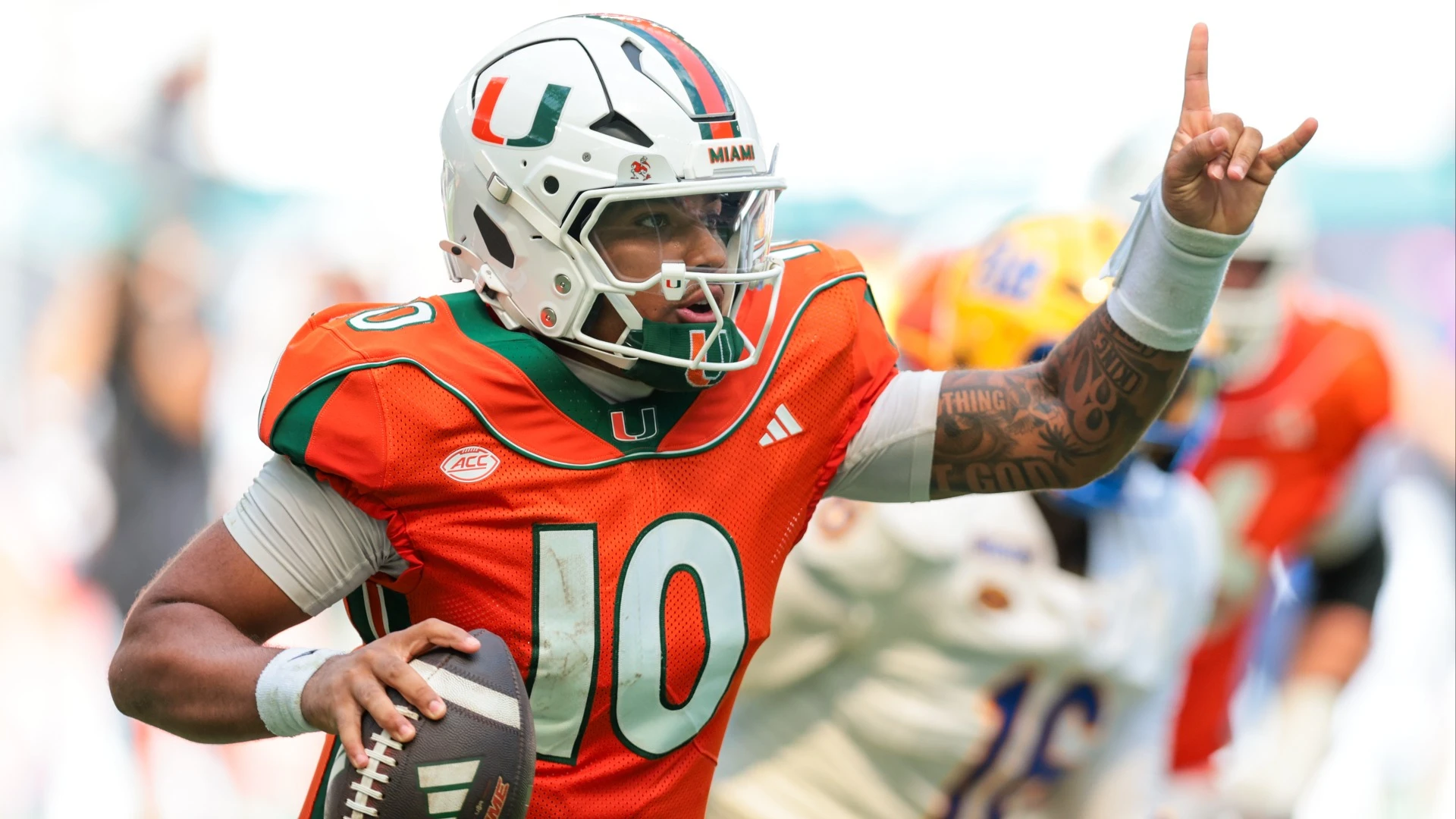
Could this be the year the Miami Hurricanes win the national title? There is reason for confidence, even if saying it aloud feels risky. Miami’s defense may not be quite as good as it was last year, but the offense is better.
LSU is the one team that creates concern, with a possible Miami-LSU national title game looming as a premonition. Georgia, LSU and Miami appear to be the leading contenders, with LSU potentially possessing a better offense than Georgia.
There is unusual confidence about the Notre Dame game, but the UNC game on Halloween night may be more concerning. With a major matchup ahead, Miami must avoid looking past UNC.
Jimmy Johnson approached these types of gap games by focusing on the process rather than the opponent. He presented each game as another step toward the ultimate goal. If a team wants to reach the national championship, it must take those steps one week at a time and treat every game as a challenge.
That approach places an emphasis on coaching and preparation. UNC is 4-3 and better than it was a year ago, while Belichick can create challenges. This is the type of game in which Miami could stumble by thinking too far ahead. However, last year’s championship run should help the team handle this situation.
Whether Miami deserves to be called the number one team in the country remains open to debate. It is fair to argue that the Hurricanes have not earned that distinction yet, but their playoff run should reassure people that they are as physically tough as, if not tougher than, other contenders.
The conversation also turned to perceived SEC bias. The Big 12 appears as competitive as the SEC, yet competition in the Big 12 is treated as a reason for the conference to receive one playoff spot, while competition in the SEC is used to justify four. BYU’s performance against Notre Dame was cited as another example of that competitiveness.
On NIL, the overall impact on college football has been positive despite problems that come with implementing a new system. Boosters can go too far, just as prediction markets can face insider-trading concerns. Still, more players are receiving opportunities to showcase themselves, and greater parity has made college football more enjoyable.
The diversification of contenders has improved the sport after years in which matchups such as Alabama versus Clemson repeatedly dominated the landscape. The system remains in transition, but changes such as moving from two transfer portal windows to one represent attempts to improve it.
Collective bargaining may eventually be needed to create contracts that hold. Overall, though, the product and competition are better, with more programs gaining an opportunity to compete. The realistic pool of major contenders may be between 40 and 60 schools, rather than the 15 to 20 range the SEC was trying to establish.
BETTING NEWS
FUTURES
