


College Football Shakeup: NCAA's Rules Under Scrutiny
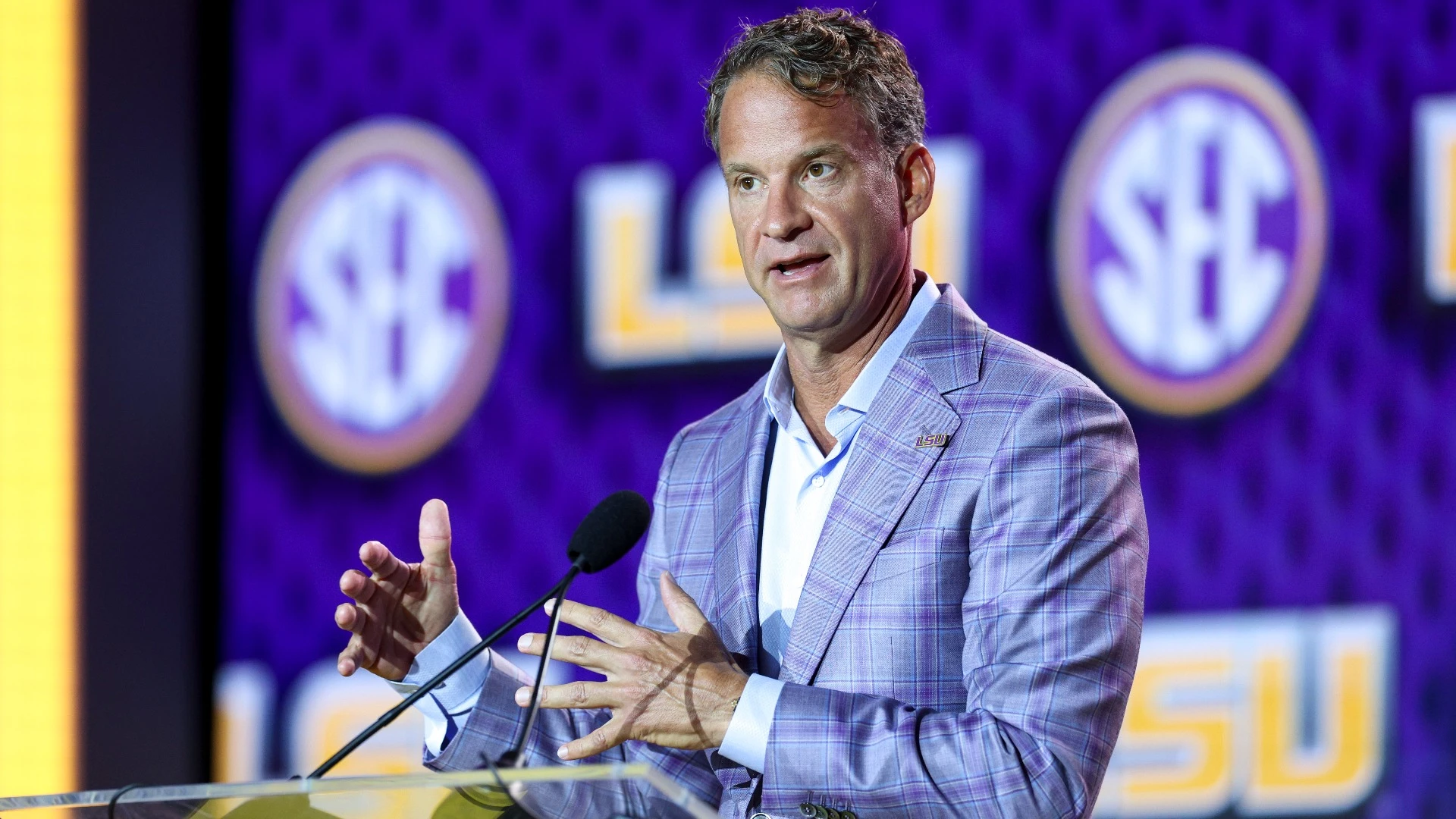
Segment Spotlight: Quick Hits From Outspoken With Dan Sileo
Exploring the New Era of College Sports Amid Rule Changes and Player Earnings
College sports are undergoing significant transformations, particularly in college football where debates are intensifying over NCAA regulations and player eligibility. The Celtic Eastern Conference and Big 10 are at the forefront of these discussions, questioning whether former NFL players should be allowed to return to college football. This shift challenges the longstanding NCAA rules, spotlighting the evolving landscape where traditional definitions of amateurism are being contested.
The resistance from notable conferences like the SEC and Big 10 against re-admitting former professional athletes to college sports is argued to be more about preserving a public image rather than maintaining the integrity of sports. Such regulations are criticized for not likely holding up in court, suggesting a growing disconnect between the NCAA's policies and the legal expectations of today.
The perception of college sports as purely amateur is changing drastically. For instance, Darian Mensa, the starting quarterback at the University of Miami, reportedly earns $6.5 million, surpassing the earnings of some professional NFL players like Shado Sanders and potentially Jacoby Brissett. This shift indicates a movement towards professionalization within college sports, driven by substantial incomes for players that rival those of professional leagues.
The argument extends to the broader financial ecosystem in college sports, which includes hefty earnings for coaches and substantial revenues for conferences and television networks. The emerging dialogue around player earnings emphasizes a shift in perspective, advocating for the rights of student-athletes to profit from their name and likeness. Historical figures in college sports such as Tim Tebow, Deion Sanders, Michael Irvin, and Brian Bosworth, had they played in today’s environment, might have earned significantly more, highlighting the drastic evolution in how player earnings are perceived.
Amid these changes, figures like Lane Kiffin have influenced decisions to challenge NCAA rules, pushing boundaries that might allow former or potential NFL players to rejoin college programs. Initiatives from schools like LSU and Texas Tech further reflect a growing acceptance of this new reality. This trend is not only about sports but is also linked to broader societal shifts where college is seen as a ground for entrepreneurship and brand development, paralleling examples set by tech moguls like Mark Zuckerberg and Bill Gates.
The introduction of gambling and the payment of student-athletes are additional factors transforming the landscape of college sports, complicating the traditional model of amateur athletics and signaling a potentially irreversible change in how these sports are governed and perceived.
BETTING NEWS
FUTURES

