


College Football's Premier League and TV Monopoly Debate

Dan Sileo
Host · Writer
Segment Spotlight: Quick Hits From Outspoken With Dan Sileo
Indiana’s Rise Fuels Debate Over Conferences, Revenue and Television Control
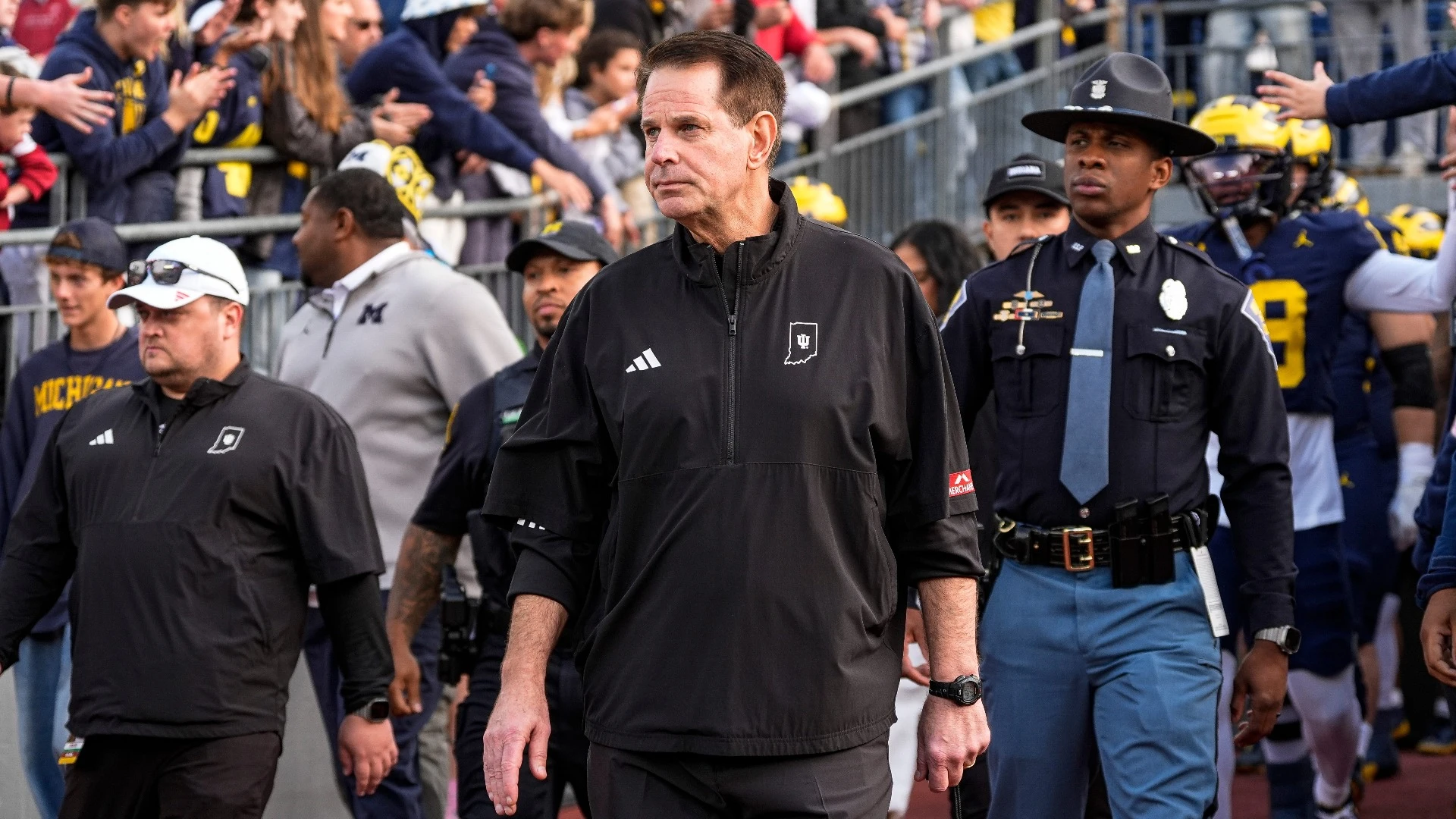
Indiana’s turnaround shows what can happen when a program hires the right person and invests the right money in the right people. Growing up, Indiana was viewed as one of the worst programs in college football history, but its rise demonstrates that change is possible.
Even with an expanded playoff, conferences would not necessarily become meaningless. However, questions remain about why a program such as Ohio State should share revenue with Minnesota. That debate points toward a possible structure resembling the Premier League, with the top 60 football programs placed in one league and programs such as San Diego State and TCU competing in a smaller league.
Television networks would have significant influence over such a change. ESPN and Fox do not want more competition for college football media rights. If those rights were negotiated the way NFL television rights are handled, universities could receive more money, ESPN and Fox would have to pay more, and additional networks could obtain smaller portions of college football coverage.
ESPN and Fox benefit from maintaining their control, and conferences help preserve that structure by determining how the sport operates. The discussion connected that influence to the Protect Sports Business Act.
BETTING NEWS
FUTURES
