


Drama in Ann Arbor: Michigan vs. Western Michigan Recap
Segment Spotlight: Quick Hits From Outspoken With Dan Sileo
Controversial Game Decisions and NCAA Conference Dynamics
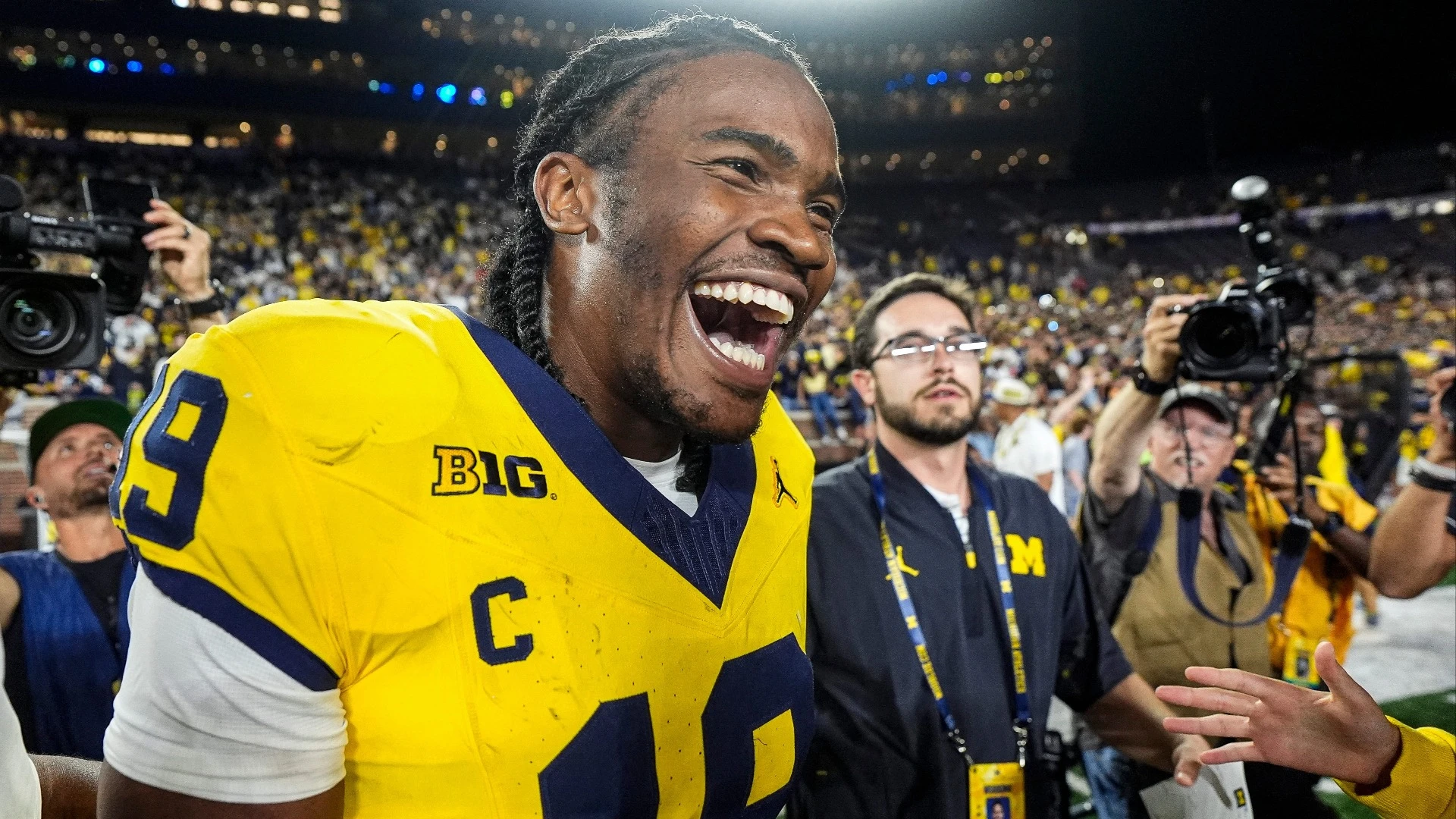
On a recent thrilling Saturday, we witnessed notable football drama, particularly with the game between Western Michigan and Michigan in Ann Arbor. The game ended in controversy after an additional second was put back on the clock, allowing Michigan to narrowly escape an upset with a 13-12 victory. This incident raised questions about the fairness of conference-affiliated referees and suggested a need for a more standardized national referee system akin to the NFL, ensuring impartiality across collegiate games.
The handling of the game's conclusion by Big 10 officials indicates a preference that benefits larger conferences, potentially at the cost of smaller programs like Western Michigan. This situation highlighted a broader issue within NCAA sports, particularly how financial considerations and conference alliances strongly influence game management and scheduling decisions. Despite the contentious decision, Western Michigan has not protested vigorously, likely to preserve the lucrative financial relationships crucial for funding their programs through games like these.
Challenges Facing Clemson's Football Program
The conversation also touched on the recent struggles of Clemson's football program under coach Dabo Swinney. Despite his impressive track record, including national championships and consistently high-winning seasons, Clemson has been slow to adapt to new NCAA policies like Name, Image, and Likeness (NIL) and the transfer portal. The program’s recent heavy loss and apparent competitive decline sparked discussions on whether it might be time for a change, either in leadership or strategy, to realign with the evolving landscape of college football.
LSU as a Formidable Contender
Turning the lens on a more positive note, LSU's football team was praised for its formidable appearance this season. Their head coach's proactive attitude and the team’s status as a "must-watch" this year could potentially position them as the new villains of college football, an interesting dynamic considering the historically competitive nature of the sport.
The discussions on Saturday's games and the broader implications for NCAA football suggest a complex interplay of tradition, innovation, and economics shaping the future of college sports.



BETTING NEWS
FUTURES

