


UCLA Football: Attendance Woes and Coaching Impact
Segment Spotlight: Quick Hits From The Sporting Tribune Today
UCLA’s Football Revival Raises Questions About Attendance, Investment and Bob Chesney’s Future
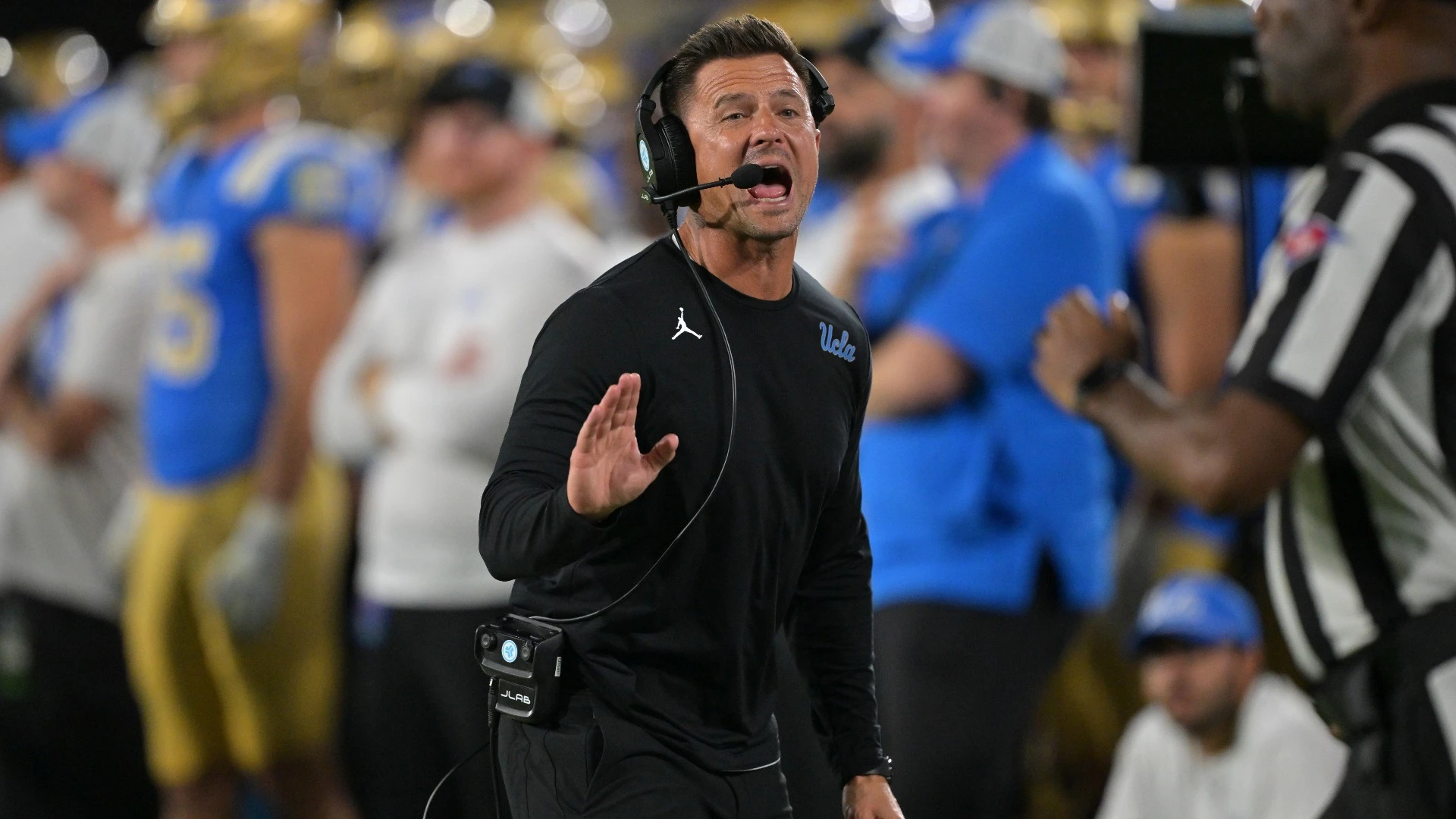
Bob Chesney has done a tremendous job at UCLA, but the program’s resurgence is also becoming a test of how fully the university and Los Angeles will embrace the team. Despite UCLA facing Wisconsin, a top-10 opponent, attendance at the Rose Bowl reportedly did not reach 40,000, according to figures provided to Ben Bolch of the California Post.
No one expects UCLA to sell out the Rose Bowl immediately, but a team described as one of the country’s top 10 and the last undefeated team in one of the top two conferences should be drawing closer to 60,000 fans. If UCLA wants to keep Chesney, the program must do more than pay its players what they deserve. It also needs to fill the stadium and demonstrate sustained support.
Chesney has transformed the team’s culture and created the possibility of a significant regular-season finale between UCLA and USC at the Rose Bowl. Depending on USC’s performance, the winner of that game could potentially reach the College Football Playoff.
The debate is also about whether UCLA wants to invest in becoming a serious football program. The university has the money and a nationally recognized name. If UCLA is willing to spend heavily on basketball talent, it can also find the resources to support football and retain this coaching staff.
The program has taken steps to improve attendance. Tim Harris, a longtime Los Angeles Lakers executive, helped make games free for UCLA students, while tickets for other fans can cost as little as $25. However, the Rose Bowl is not close to campus, and its difficult parking situation creates another obstacle. Fans often park on the golf course, making the overall game-day experience challenging even when tickets are affordable.
The concern is that Chesney’s success will attract wealthier programs. Dick Vermeil was once a diamond in the rough at UCLA, stayed for two years and then left for another opportunity. If Chesney completes UCLA’s turnaround, programs with significantly more money could pursue him, including SEC schools or other major programs.
The larger issue is long-term roster investment. Coaches are not only asking whether they can win this season, but whether they can compete over the next decade. Programs such as USC and other major schools can offer enormous annual roster budgets. UCLA cannot currently provide that level of financial support, which could ultimately determine whether Chesney stays.
BETTING NEWS
FUTURES

