










Chicago Bears New Stadium Drama and Funding Issues
Stadium Woes and Relocation Threats: A Tale From Chicago and a Reflection on New York's Past
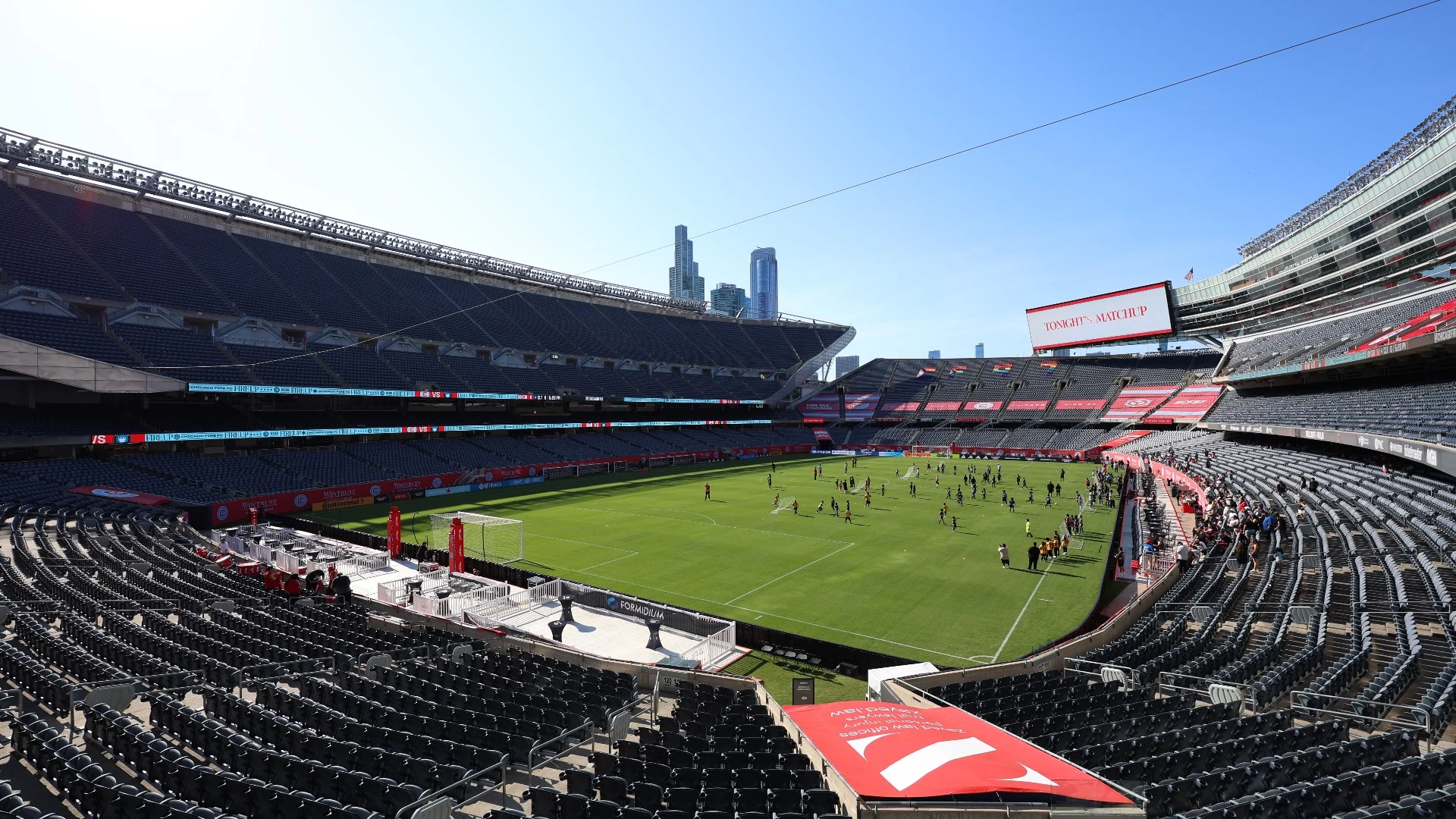
In Chicago, there are plans to build a new retractable domed stadium in a suburb, aimed at hosting Bears games and potentially concerts during colder months. Despite the enthusiasm, there are significant financial and bureaucratic hurdles. The purchase of land, previously occupied by a racetrack, has been hampered by tax issues and insufficient tax revenue allocations from local officials. This situation is reminiscent of past stadium woes faced by teams in New York, where decisions led Giants and Jets to play in New Jersey despite retaining their New York identities.
The circumstances in Chicago echo historical challenges where New York teams faced potential relocations. For instance, plans for a new stadium for the New York Giants or the Jets in New York were eventually abandoned due to various political and financial issues. The Giants and Jets found their homes in New Jersey, yet they maintained their New York names, retaining the prestigious association with the city despite the geographical shift. This not only preserved their brand value but also reflected the economic advantage of being linked to New York over New Jersey.
The potential relocation threats, similar to those once wielded in New York, have resurfaced with the Chicago Bears. The owner’s current threats to relocate the team to Indiana unless local Illinois officials support the construction of the new stadium in Chicago reflects a strategic maneuver to galvanize public and political support. This method mirrors past instances where sports teams have used relocation as leverage to facilitate their demands for new facilities.
The Chicago Bears’ situation is particularly poignant for fans given the team’s recent promises on the field. With a talented coach and a potentially franchise-defining quarterback, the prospect of relocation seems disheartening. Fans might recall the experience of New York supporters who decades ago saw their teams move across state lines, inciting significant dismay. The response from the community and the eventual outcome of these stadium disputes will tell if the Bears will follow the historical pattern of securing a new stadium or if they'll set a new precedent in the long saga of sports relocations.
As observed, the interplay of sports, politics, and community identity continues to shape the destinies of teams and cities alike. The unfolding developments in Chicago will likely add a new chapter to this complex narrative, watched closely by those who recall New York's historic stadium challenges.







BETTING NEWS
FUTURES

