


Sam Darnold's NFL Journey and Influence on Team Success
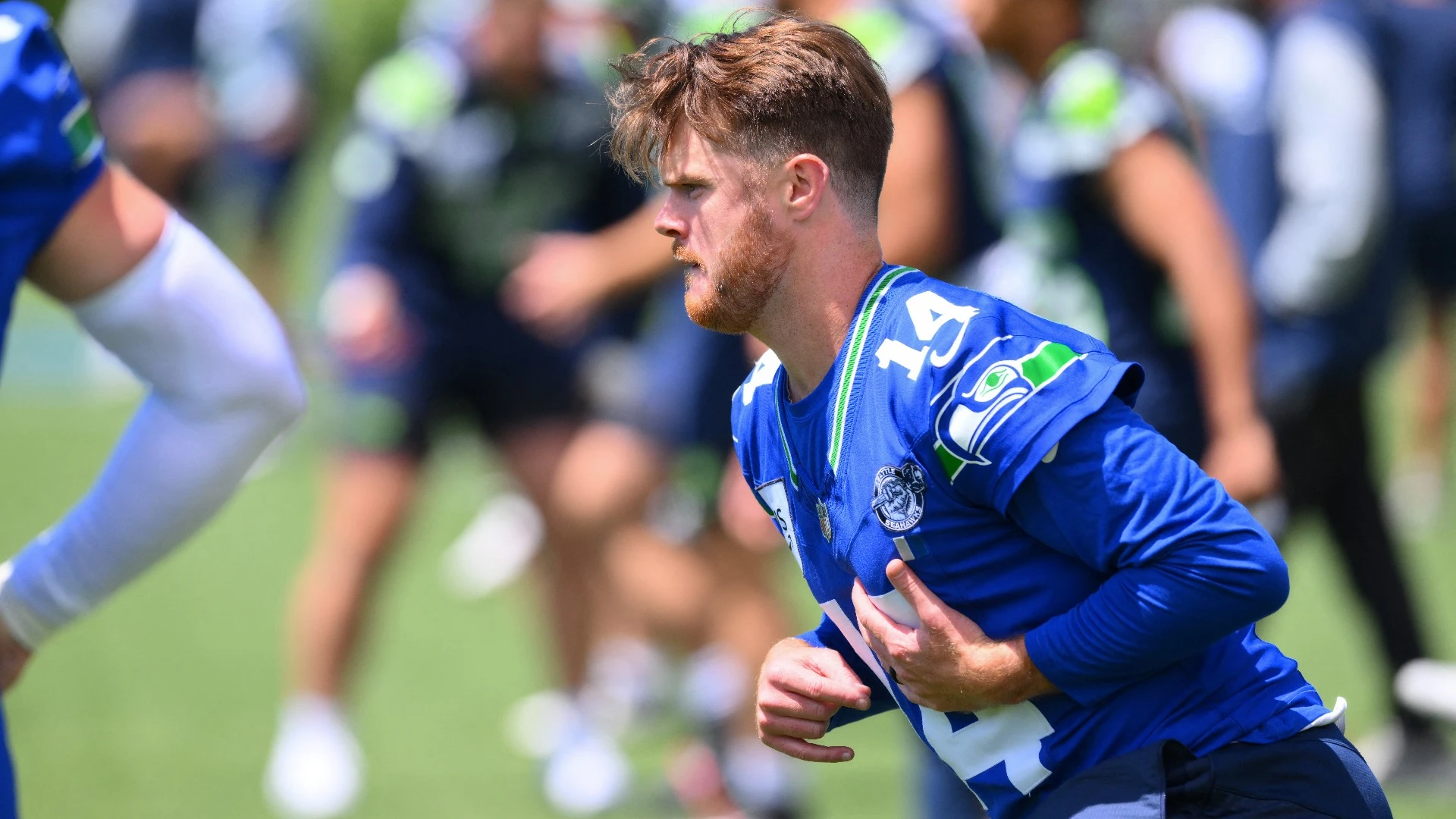
Segment Spotlight: Quick Hits From Outspoken With Dan Sileo
The Evolution of Sam Darnold's Career and the Impact of NFL Organizations on Quarterback Success
The discussion around Sam Darnold's NFL career stirs up significant debate about the dynamics between quarterbacks and their organizations. Arguably possessing franchise quarterback potential, Darnold has demonstrated his talents across various teams, notably becoming the quarterback with the highest winning percentage since 2022. His journey raises questions about whether NFL organizations are more likely to fail quarterbacks, or if it's the other way around.
Phil suggests that despite Darnold's fluctuating career, his inherent ability should not be discounted. His time at Seattle showcased what he could achieve with the right support, emphasizing that a quarterback must connect effectively with the entire team to enhance the likelihood of success. However, even a significant talent like Darnold struggled with teams like Carolina Panthers, where neither the coaching nor organizational support matched his capabilities.
The narrative around quarterbacks who face shifting dynamics within franchises includes tales of Baker Mayfield and Darnold being underutilized in Carolina, hinting at organizational missteps. This scenario suggests that beneath the right circumstances, such players could negotiate substantial contracts elsewhere, reinforcing the argument that the environment significantly influences a quarterback’s success.
The conversation also touches on the complexities introduced when quarterbacks must adapt to new coordinators and different play-calling styles. The example of transitioning from Clint Kubiak to Brian Fleury highlights how a change in play-callers can disrupt a quarterback's performance and adaptability. Effective play-calling, timing, and fitting into the team's strategy are crucial but challenging aspects when under a new coordinator.
The broader perspective shared by Phil underlines that stellar gameplay from quarterbacks like Patrick Mahomes is heavily contingent on the overall team and coaching quality. Even the most talented quarterbacks are hindered without adequate support, emphasizing that the success of a quarterback is as much about the organizational context as their personal ability.
Overall, the insights shared reiterate the complex relationship between quarterbacks and their franchises, where success is not solely dependent on individual talent but significantly shaped by the surrounding support and strategic decisions.



BETTING NEWS
FUTURES

