


Woody Johnson Convinces NFL to End NFLPA Report Cards
Segment Spotlight: Quick Hits From The Craig Carton Show
The Impact of Owner Complaints on NFL Player Feedback Processes
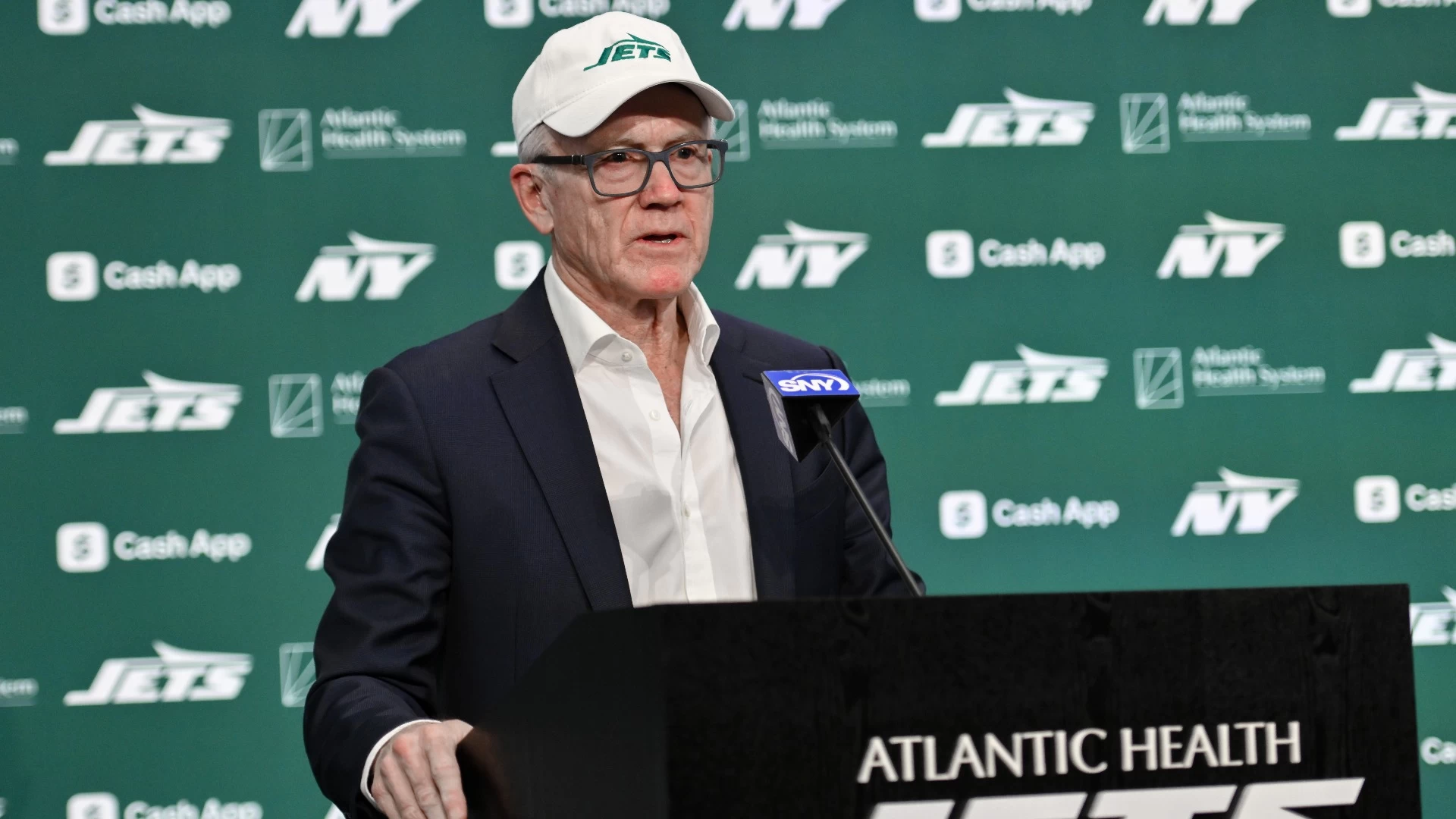
Woody Johnson, the owner of the New York Jets, recently voiced his displeasure over the feedback practices involving NFL players. Johnson was particularly aggrieved after discovering that Jets players rated his ownership on various aspects, leading to grades ranging from A to F. Embarrassed by these public evaluations, Johnson approached NFL Commissioner Roger Goodell and other owners to express his concerns. His argument centered on the belief that players should not have the right to publicly assess ownership, a stance that reveals his sensitivity towards player opinions rather than focusing on improving conditions for them.
Despite some player requests being extravagant, the evaluation form used by the Jets mirrored those used by other teams, indicating a standardized practice across the league. Nonetheless, Johnson's complaints spurred a league-wide reaction, culminating in a formal intervention by the NFL. The league approached the NFL Players Association, leveraging a specific clause in the collective bargaining agreement that prohibits such public evaluations, effectively banning this type of player feedback.
This move to suppress player critiques was justified by the NFL under the guise of protecting the league's image, often referred to as "the shield." Andrew Brand, a legal expert with experience in NFL front offices and a current instructor at Villanova University, supported this view by explaining how negative perceptions could damage the league's reputation.
The decision to prioritize the suppression of player feedback over more severe allegations involving NFL owners illustrates a concerning disparity in the league's protective measures. This discrepancy came to light as the NFL simultaneously disregarded connections between a different owner and Jeffrey Epstein, which did not trigger the same protective response concerning the league's image.
This contradiction highlights a significant inconsistency within the NFL's operational priorities, as mundane player complaints about facilities seem to invoke greater protective actions than more serious infractions. This ongoing development has sparked discussions about the balance of power and transparency within the league, questioning the fairness and reason behind limiting player voices.



BETTING NEWS
FUTURES

