


Australia's Footy Landscape: Rugby to Soccer Explained
Segment Spotlight: Quick Hits From The Contenders
Exploring the Cultural and Sporting Landscape of Australian Football
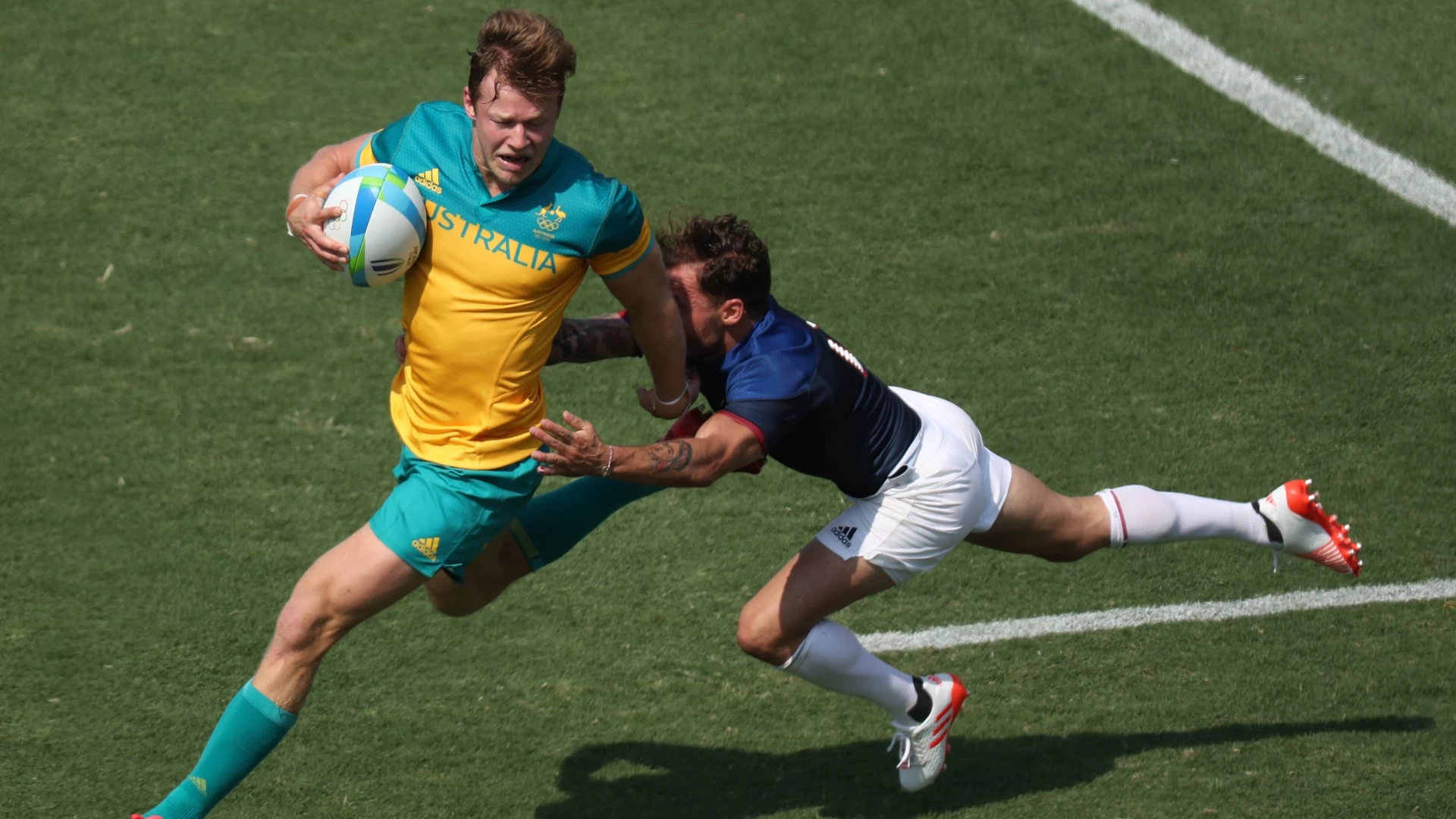
In Australia, the term "footy" doesn't refer to soccer as one might expect. In Sydney, it signifies rugby league, the dominant sport in New South Wales and Queensland. Meanwhile, in Melbourne, it stands for Australian rules football, which commands the largest following in Victoria, South Australia, and Western Australia. Occasionally, "footy" might allude to rugby union, but it rarely pertains to soccer, a sport further down the popularity chain in the country.
Soccer in Australia has often struggled to attract top athletic talent, a challenge exacerbated by the nation's relatively small population, around 12 times smaller than that of the USA. Despite Australia's historical ties to the United Kingdom, much of its football culture stems from other migrant communities. Notably, influential football figures like Les Murray, with his Hungarian heritage, have shaped the sport. Additionally, clubs with strong Mediterranean links have played significant roles in developing the country's standout players. For instance, South Melbourne, affiliated with Greece, nurtured Ange Postecoglou, and the Croatian-supported Melbourne Knights was pivotal in the rise of Mark Viduka.
On an international scale, Australia's football journey has seen significant milestones. The nation originally competed in the Oceania Football Confederation but joined the Asian Football Confederation in 2006. This move paid dividends when Australia clinched the 2015 Asian Cup under Postecoglou’s guidance. Although the Socceroos have maintained consistent World Cup appearances since 2006, their talent production has notably diminished, reflected in fewer Australian players thriving in European leagues. This trend presents challenges for current coach Tony Popovich, known for his pragmatic, defensively robust approach.
Highlighting key players, goalkeeper Matt Ryan has held the first-choice position for over a decade, though his status faces challenges from Joe Gauci and Paul Izzo. Defender Harry Suter, with his formidable height, offers a strong presence, especially during set pieces. The midfield features Jackson Irvine and variable partners like Riley McGree, depending on the matchup. In attack, Australia relies on the vigor of Craig Goodwin and Martin Boyle, lacking a recognized goalscorer but finding potential in younger talents like Mohammed Toure and Nestery Irankunda, both of African descent who settled in Australia in dire circumstances.
Despite the current challenges, the Socceroos have moments of hope, bolstered by emerging talents and the strategic acumen of their coach. While replicating the success of reaching the World Cup’s round of 16, as seen in Qatar 2022 under Graham Arnold, is daunting, the evolving team dynamics under Popovich’s direction offer a glimmer of possibility for future achievements.
BETTING NEWS
FUTURES

