


Croatia: A Football Nation with a Rich, Complex History
Segment Spotlight: Quick Hits From Football Nation
The Remarkable Rise of Croatian Football
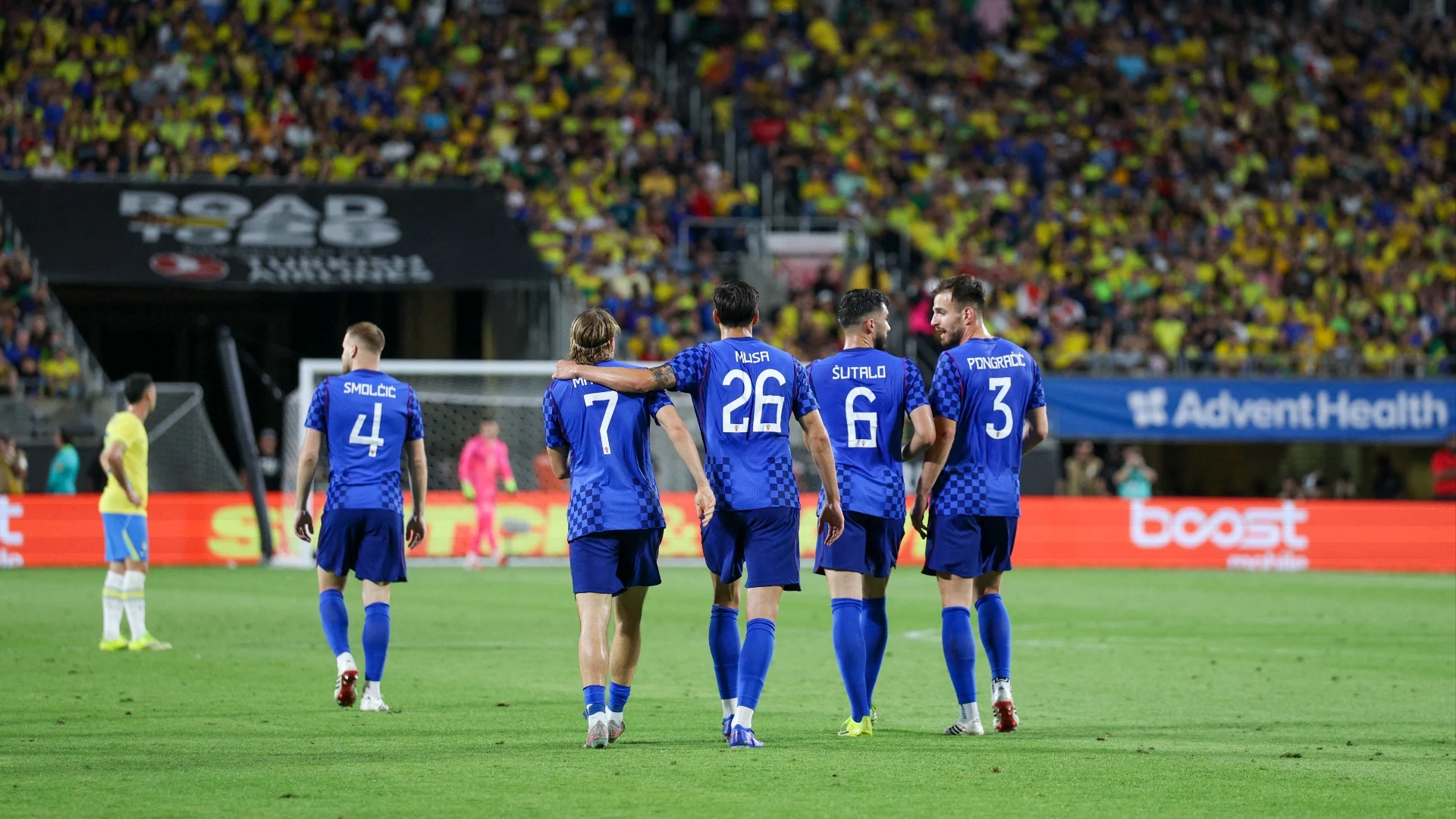
Croatia's fervor for football has not only fueled its notable achievements on the international stage but has also cultivated a deeply ingrained football culture, despite the country's relatively small population of just 4 million. Emerging as an independent nation in 1992, Croatia quickly became a powerhouse in the football world, reaching one World Cup final and two semi-finals in their first 7 tournaments.
Prior to its independence, Croatia was part of Yugoslavia, where Croatian players played significant roles in international football, particularly in the 1950s and 1960s. Notable was the inclusion of four Croatian players in the world team that faced England in 1953. The late 1980s saw the rise of a golden generation of Croatian talent, heralding a new era with the FIFA World Youth Championship victory in 1987.
Players like Zvoimir Boban, Robert Prozinsky, and Davo Chouca later became key figures in Croatia’s national team, which made a sensational debut in international tournaments in the mid-1990s. Their technical skill and creative play were complemented by one of the most iconic kits in world football, designed in 1990 by Miroslav Shutez, who also designed the nation’s flag and coat of arms.
Despite the national fervor for the sport, Croatian football has experienced challenges, including aggressive fan behaviors and an uncomfortable relationship between football and ethno-nationalism. The national team currently plays at Stadion Maximir, based in the capital, and is closely linked with Dynamo Zagreb, the dominant force in Croatia’s domestic league.
Dynamo Zagreb's historical success, including winning a major European trophy in 1967, contrasts with recent struggles to translate domestic triumphs into broader European competitiveness. This reflects broader economic challenges in football, where domestic player sales rarely compare with the sums obtained for Croatian players in wealthier European leagues. Nonetheless, Croatia's national team remains a testament to achieving international success against formidable odds, solidifying its status as a top footballing nation.



BETTING NEWS
FUTURES

