










Controversy Rises Over Betting on NCAA Transfer Portal

Craig Mish
Host · Writer
Concerns and Debates Surrounding Betting on College Athlete Transfers
Calchi has sparked significant controversy this week with its proposal to enable betting on the potential transfer destinations of college athletes through the transfer portal. This move has raised various ethical and regulatory debates, particularly about the implications for young athletes and the scope of sports betting.
Traditionally, sportsbooks have not offered markets on college athletes entering the transfer portal or predicting their next move; however, Calchi, driven by its mission to gamify and financialize real-world events, aims to break into this untapped area. The company suggests that these betting outcomes could be determined by factors like social media posts or public reports, even if the athletes change their decisions later. As this market is currently unregulated, there are no clear restrictions to prevent insiders, such as friends or family members of an athlete, from placing strategic bets based on non-public information.
Sports betting has been a contentious issue, with advocates for state regulation arguing that it helps prevent unethical practices that could arise from unregulated betting activities. The prediction market that Calchi plans to create, according to their claims, would involve minimal oversight compared to traditional sportsbooks, potentially opening the door for misleading practices and benefiting from insider knowledge.
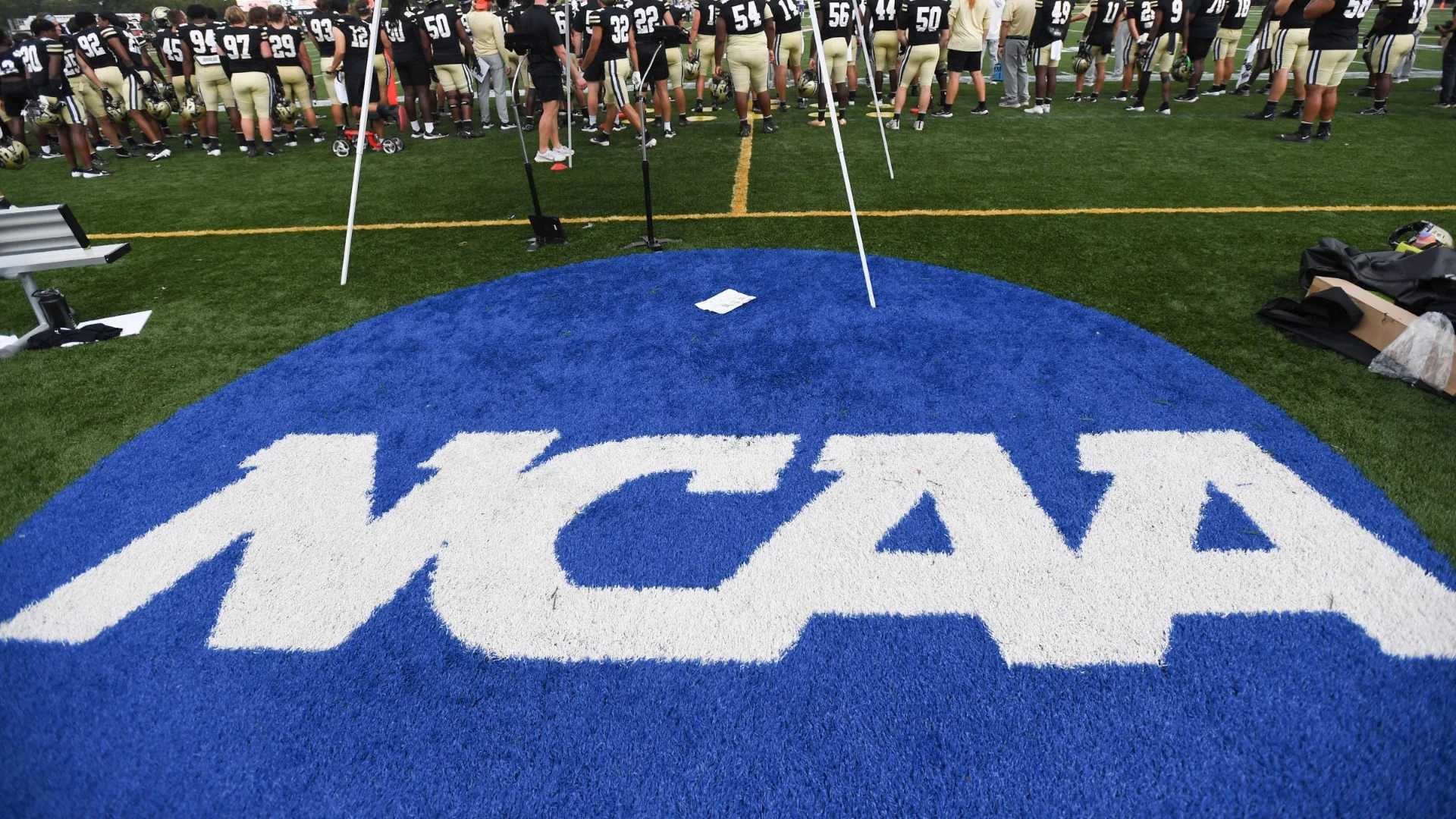
The NCAA has expressed strong opposition, labeling Calchi as an unregulated entity and criticizing the proposal as harmful and irresponsible. Despite being regulated by the CFTC, Calchi's approach to sports betting raises questions about the effectiveness of current regulations and how they apply to new forms of betting markets.
This proposal, if implemented, will likely attract significant attention from those interested in betting on sports and non-sporting outcomes, reflected by the thousands of Division 1 football players who enter the transfer portal each year. As the discussion unfolds, it is crucial to consider both the potential popularity of such markets and the ethical implications they may carry, especially regarding young athletes and the integrity of collegiate sports.
As we await further developments, the debate continues on how best to manage and regulate new forms of betting to safeguard the interests of all stakeholders involved, including athletes, betting enthusiasts, and regulatory bodies.

















BETTING NEWS
FUTURES

