


Evaluating Kyle Tucker's Record $240 Million Dodgers Deal
Segment Spotlight: Quick Hits From The Just Baseball Show
Analyzing Kyle Tucker's Massive Contract with the Dodgers
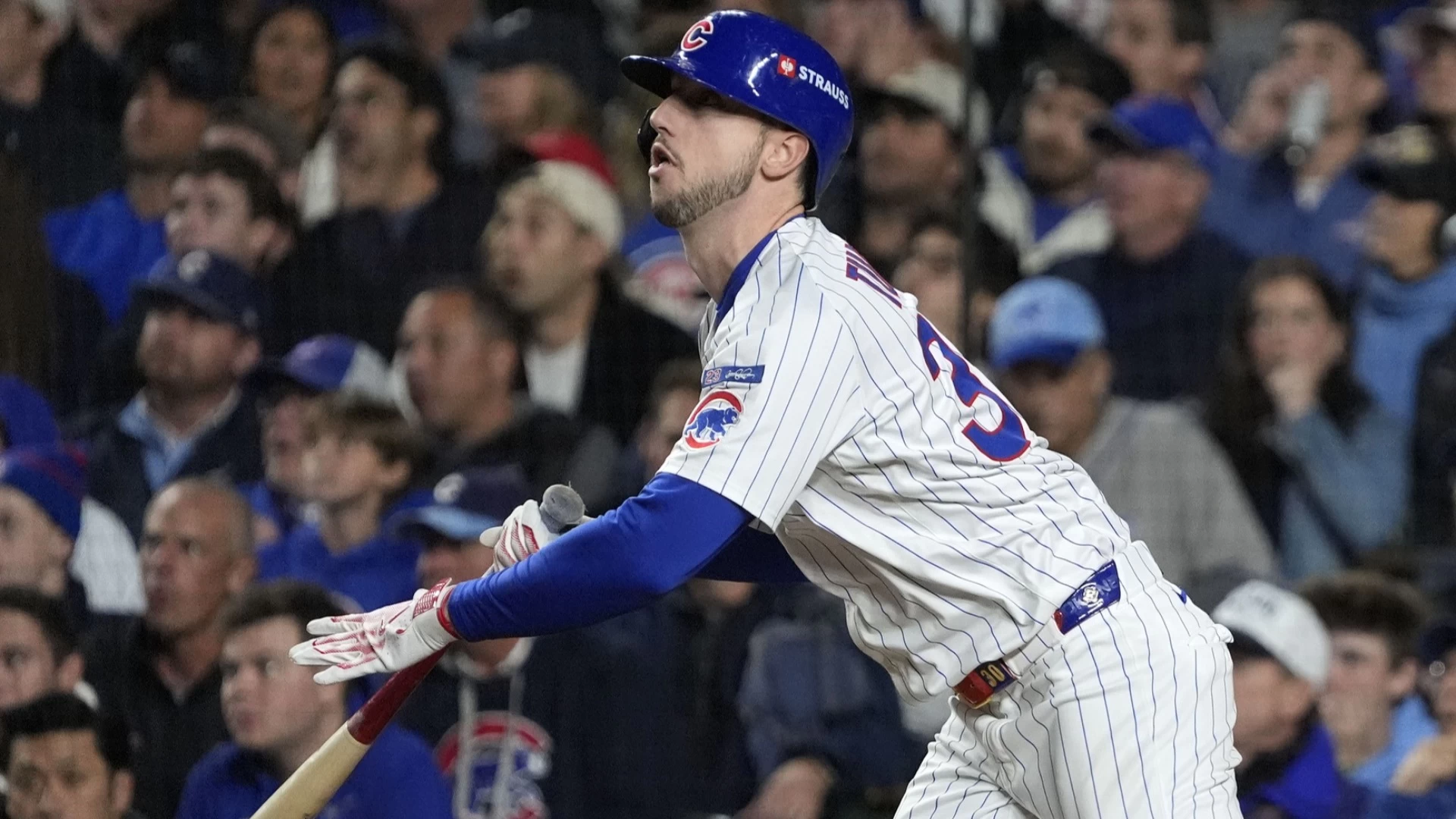
The baseball world has been abuzz with the news of Kyle Tucker’s recent contract, rumored to be worth $60 million per year with the Dodgers. This figure has sparked a discussion on its fairness and strategic merits, especially considering Tucker's performance trends and recent injuries.
The Chicago Cubs, who previously had Tucker in their lineup, witnessed a promising start but ultimately saw his performance dip. Conversely, Dansby Swanson of the Cubs described Tucker as the anchor of their lineup earlier in the season. This discrepancy in perspectives highlights the volatile nature of baseball performance and contract valuations.
The Los Angeles Dodgers, tending not to shy away from high-profile, costly acquisitions, seem unfazed by their spending. They have embraced their role with a large budget, continuing their strategy of fielding a competitive and star-studded team, thereby sustaining their image as one of MLB’s ‘villains.’
Interestingly, other teams were also in the running for Tucker, with some willing to offer contracts extending seven to eight years. Yet, the Dodgers secured Tucker with a four-year deal worth a staggering $240 million, emphasizing short-term, high-value agreements over longer commitments. This strategy is somewhat counter to the approaches taken with other star players like Juan Soto and Vladimir Guerrero Jr., who secured longer-term deals.
The contract discussions became more intricate when the NY Mets entered the negotiation with substantial offers, which, although tempting, were surpassed by the Dodgers’ lucrative proposal. This scenario underscores the unseen dynamics and behind-the-scenes strategies employed by teams and agents during the off-season. Additionally, Tucker’s preference to be a part of a successful team without the pressure of being the leading star played a significant role in his decision, favoring the environment the Dodgers offered.
Ultimately, the contract with the Dodgers not only places Tucker in a financially enviable position but also strategically situates him within a team where he can thrive without the singular pressure of leading. This scenario serves as a profound illustration of how Major League Baseball teams compete and strategize differently in their quest for top-tier talent.



BETTING NEWS
FUTURES

