


Scam Alert: MLB's 999 Challenge Offers Less Than Promised
Segment Spotlight: Quick Hits From The Craig Carton Show
Exposing the "999 Challenge" at Baseball Parks
There's a new promotional stunt at baseball stadiums involving the "999 Challenge," which promises fans the chance to consume nine beers and nine mini hotdogs during the game. However, this challenge, adopted by six teams including the Phillies, the Mets, and a team in San Francisco, turns out to be misleading.
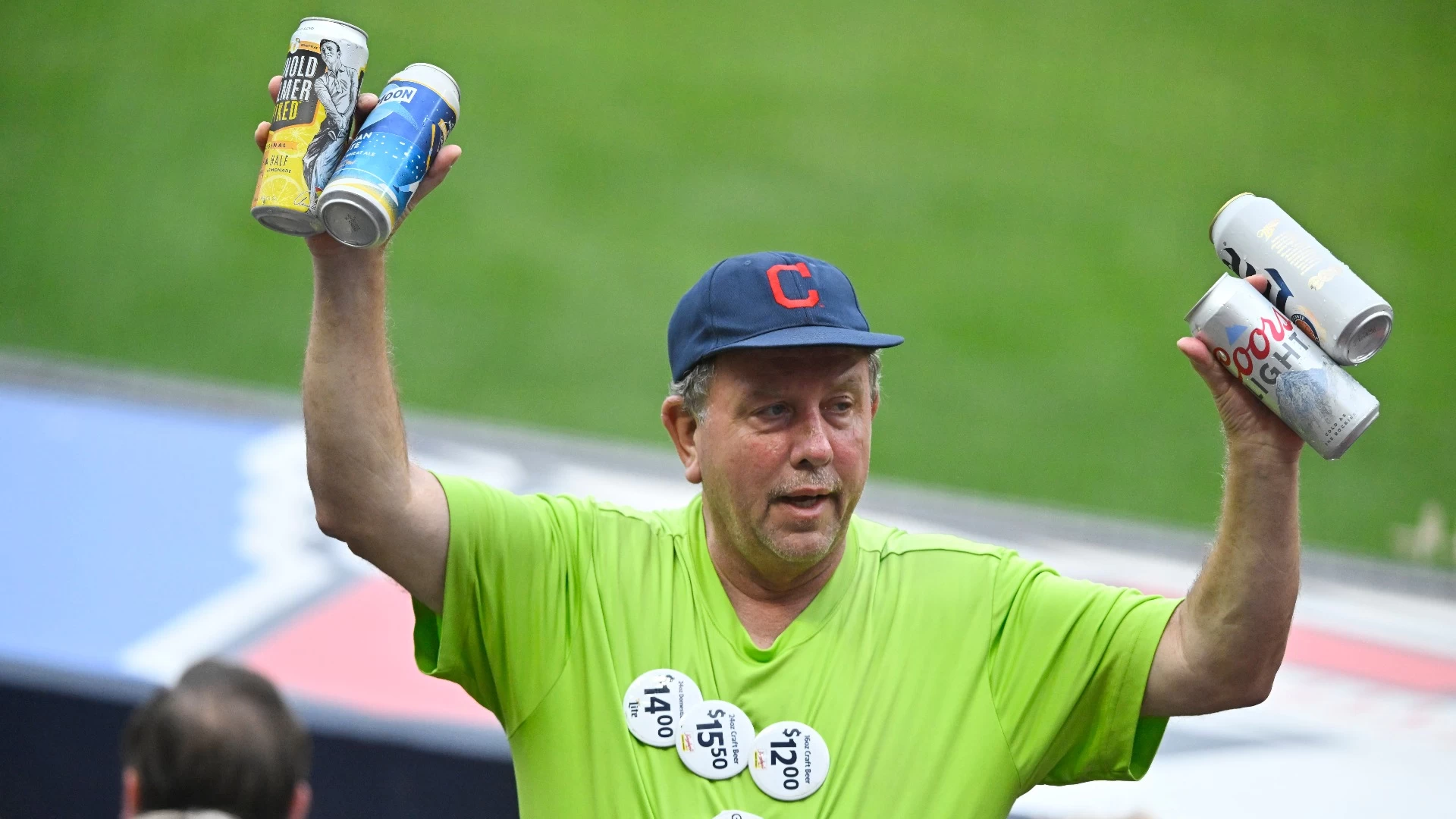
Stadium vendors, led by Amark, charge $55 for the challenge, which supposedly includes nine beers and nine hotdogs. The reality, however, is starkly different. Customers receive only one beer, a 24-ounce can, whether it's Coors Light in San Francisco or Bud Light at Citi Field. This single can is nowhere near enough to fill the nine provided glasses, which hold about three ounces each, essentially just a shot glass of beer per glass. Furthermore, the hotdogs provided are mini, not full-sized.
Despite the shortfall in what's actually provided versus what's advertised, the event has become somewhat of a novelty, attracting fans who are eager to collect themed glasses specific to their favorite teams. Nevertheless, the misleading nature of the "999 Challenge" has left many fans disappointed and feeling deceived, stirring controversy among baseball enthusiasts. Some fans argue that at least three beers should be provided to justify the cost and the premise of the challenge.
The situation has escalated to the point where some fans suggest that Amark should face legal action for false advertising. The issue is expected to cause significant uproar in the cities involved, particularly when hard-earned money doesn't meet the expected value of the promotional offer. Incidents linked to this deceptive marketing strategy are anticipated to feature prominently in local news as fans react to the disparity between what is promised and what is delivered.



BETTING NEWS
FUTURES

