


Vladimir Guerrero's Controversial Comments Regarding His Season

Craig Mish
Host · Writer
Segment Spotlight: Quick Hits From Game Time Decisions
Debating Guerrero's Comments on Past Performance and Athlete Compensation
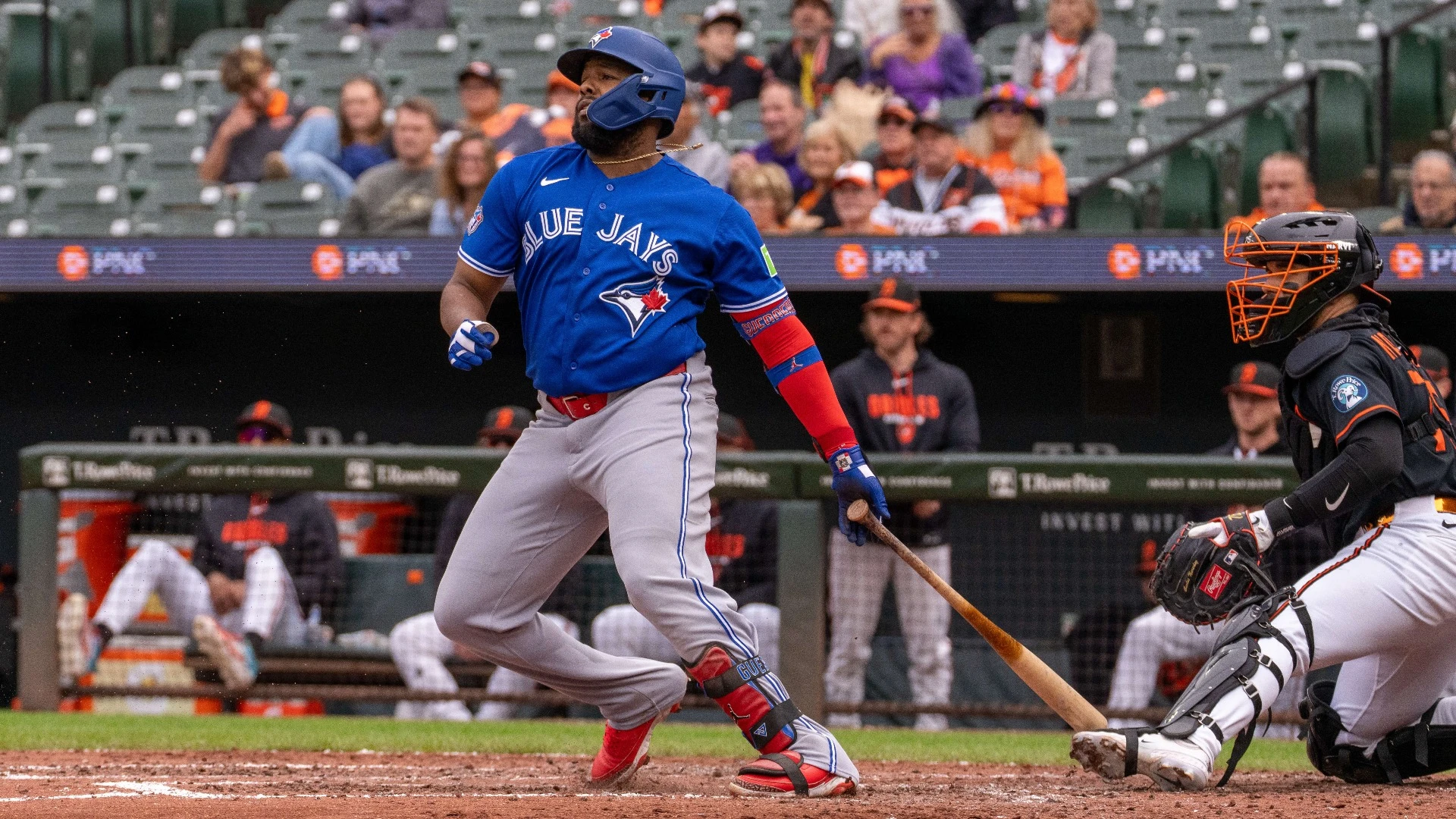
In a recent interview, Vladimir Guerrero Jr. made headlines by suggesting that his $500 million contract was awarded based on his past performances rather than future expectations. Such statements have sparked a debate about the sustainability of these large contracts in baseball, especially with the collective bargaining agreement (CBA) on the horizon. Comparatively, the NFL handles its contracts differently, eliminating concerns similar to those currently seen in MLB.
Focusing more on the MLB, the example of Guerrero Jr. isn't isolated. Historical precedents like Miguel Cabrera, Albert Pujols, and Clayton Kershaw underscore a trend where players may underperform relative to their sizable contracts towards the end or during the latter years of their careers. This situation poses a significant challenge as MLB teams often commit immense sums based on players' prior achievements, which may not align with their future contributions.
Drawing from the broader implications of Guerrero's comments and MLB's contracting practices, there's a notable discussion on the structure of player compensations as they near free agency. The concept here is that players potentially capitalize opportunistically by nearing or reaching free agency, automatically increasing their market value, a situation quite unique to baseball. As the CBA discussions advance, there might be proposals to adjust free agency timelines, potentially shifting from the traditional six years to perhaps five, to balance player and team interests more equitably.
Despite the potential wisdom in Guerrero's honesty about compensation for past accomplishments, it presents a complex challenge about the optics and implications of such admissions. It raises broader questions about the incentive structures within MLB contracts and whether these align well with encouraging consistent on-field performance. The discussion also hints at potential reforms or considerations that could come up during CBA negotiations to address these ongoing concerns.




BETTING NEWS
FUTURES

