










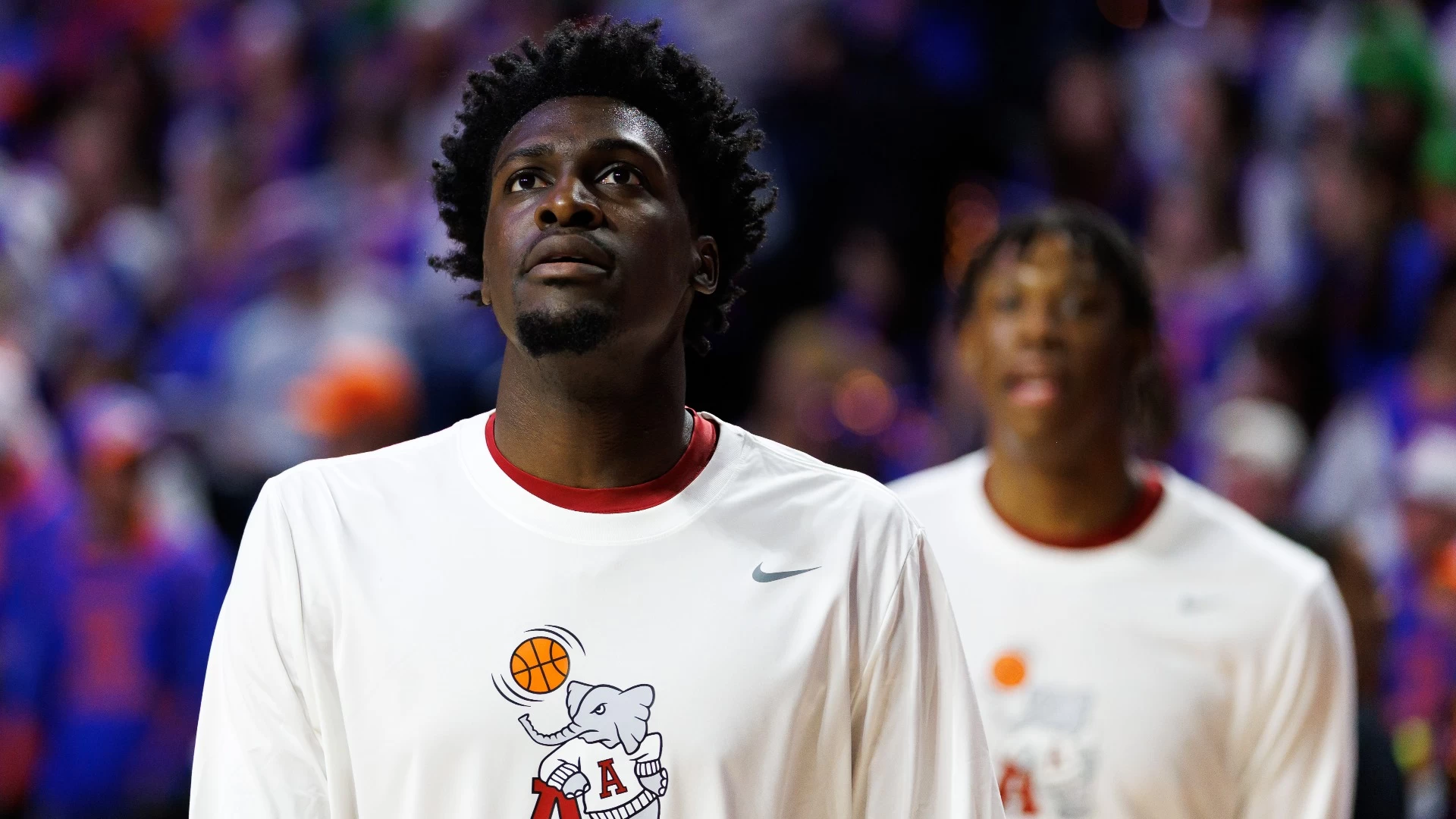
Alabama's Charles Bediako Ruled Ineligible to Play for Tide

Joe Raineri
Host · Writer
Segment Spotlight: Quick Hits From The Early Line Live
NCAA's Stance on Ineligibility and Temporary Orders in College Sports
NCAA president Charlie Baker recently made a statement regarding the Charles Biaco eligibility ruling, expressing satisfaction with the court's decision. He labeled it a victory for common sense, pointing out the court's perception of it as an attempt by professionals to re-enter college sports, potentially displacing the next generation of student athletes. Baker's comments underline a broader concern about the integrity of college sports being compromised by professionals who seek to benefit from the system.
The discourse continued with a critique of the decision to grant Charles Biaco a temporary restraining order last month, which allowed him to play immediately despite his professional background. This situation led to Biaco participating in games and contributing to three wins, even as debates about his eligibility continued. This scenario has raised questions about the fairness and consistency of NCAA rulings, sparking discussions on how these cases are handled.
While some blame the courts for the decisions that allow these situations to arise, others suggest not to blame the teams or coaches, like Coach Oates of the Crimson, who are merely navigating the rules as they stand. The focus shifts to the broader implications of such rulings, especially in the context of players returning from professional stints abroad to college sports, particularly with potential financial incentives under the new NIL (Name, Image, and Likeness) regulations.
The conversation ends with a hope for more rulings in the future that prioritize traditional student-athlete experiences over professional interjections, preserving the sanctity and competitive fairness of college sports.














BETTING NEWS
FUTURES

