


Analyzing College Football Rankings: Tier Shifts & Challenges
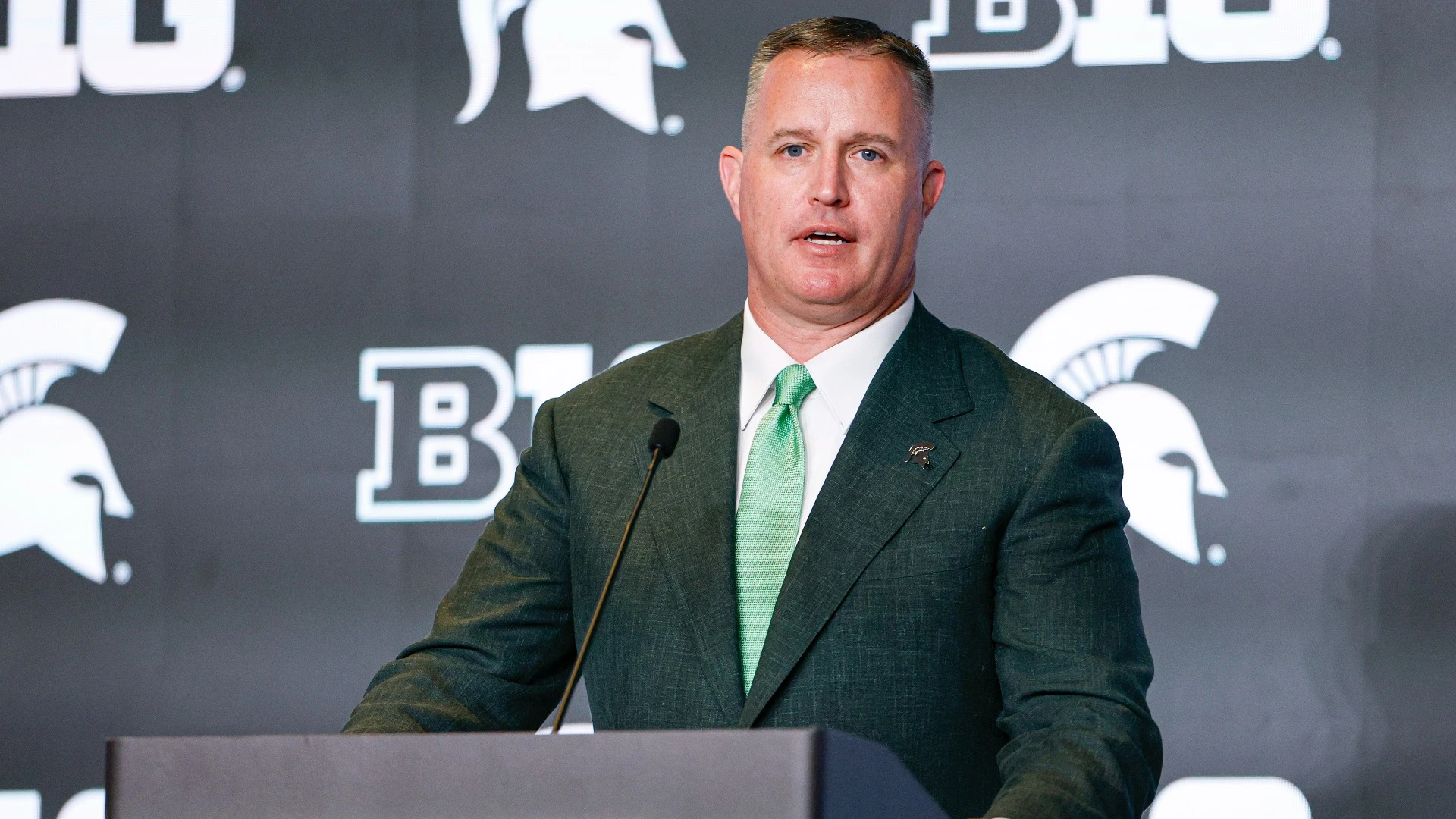
Segment Spotlight: Quick Hits From The Bobby Carpenter Show
Assessing the Competitive Landscape of College Football Teams
In a recent segment of The Bobby Carpenter Show, discussions centered around the varying tiers of college football teams, reflecting on their current standings and potential for future success. Carpenter highlighted the fluctuating positions of teams such as Penn State, USC, and Michigan, which he categorized broadly as second-tier teams, alongside Iowa. He also noted teams like Washington that border on breaking into this group.
The dialogue shifted to teams like Wisconsin, Nebraska, Minnesota, and Illinois, questioning their current quality and potential. Carpenter contrasted these teams with SEC teams like South Carolina and Vanderbilt, which hold aspirations of conference championships despite varying levels of success in recent years.
A major point of discussion was the response of Tony Pettitti to a question about team competitiveness. Pettitti's candid acknowledgment that some teams are inherently weaker despite investments sparked further debate on the necessary conditions for a team’s success. Carpenter explored this idea by mentioning teams like Purdue, Indiana, Maryland, and Rutgers, emphasizing that initiatives to improve or maintain competitiveness largely depend on the choices these institutions make. Additionally, the potential for Maryland to advance was noted, attributed to the high caliber of high school football in its region.
The show also touched on the broader implications of introducing a proposed 24-team playoff system. Carpenter discussed how such a structure could motivate mid-tier and bottom-tier teams by offering them tangible performance targets, potentially leading to increased investments in their football programs. He highlighted that under a hypothetical 24-team playoff, teams like Iowa and NC State would have qualified multiple times, illustrating how the proposed system could benefit consistently solid teams that do not necessarily dominate their conferences.
Finally, Carpenter expressed reservations about expanding the playoff system too broadly, suggesting that a 16-team format might strike a better balance between inclusivity and maintaining competitive standards. Overall, the segment offered a detailed analysis of the complexities and dynamics influencing the success trajectories of college football teams across the nation.




BETTING NEWS
FUTURES

