


Bill Bender Analyzes 20 Greatest College Football Teams Ever
Segment Spotlight: Quick Hits From The Bobby Carpenter Show
Exploring Diversity in Historical College Football Team Rankings
In a recent discussion on the Bobby Carpenter Show, the topic of diversity among college football teams in historical rankings was explored. Bill voiced his thoughts on the challenges and nuances of ranking teams, particularly the bias that can arise from such endeavors. He highlighted the participation of a diverse panel comprising some of the top college football writers and broadcasters, including Tim Brando, Dennis Dodd, and Ivan Misel, who notably contributed to the ESPN 150 list.
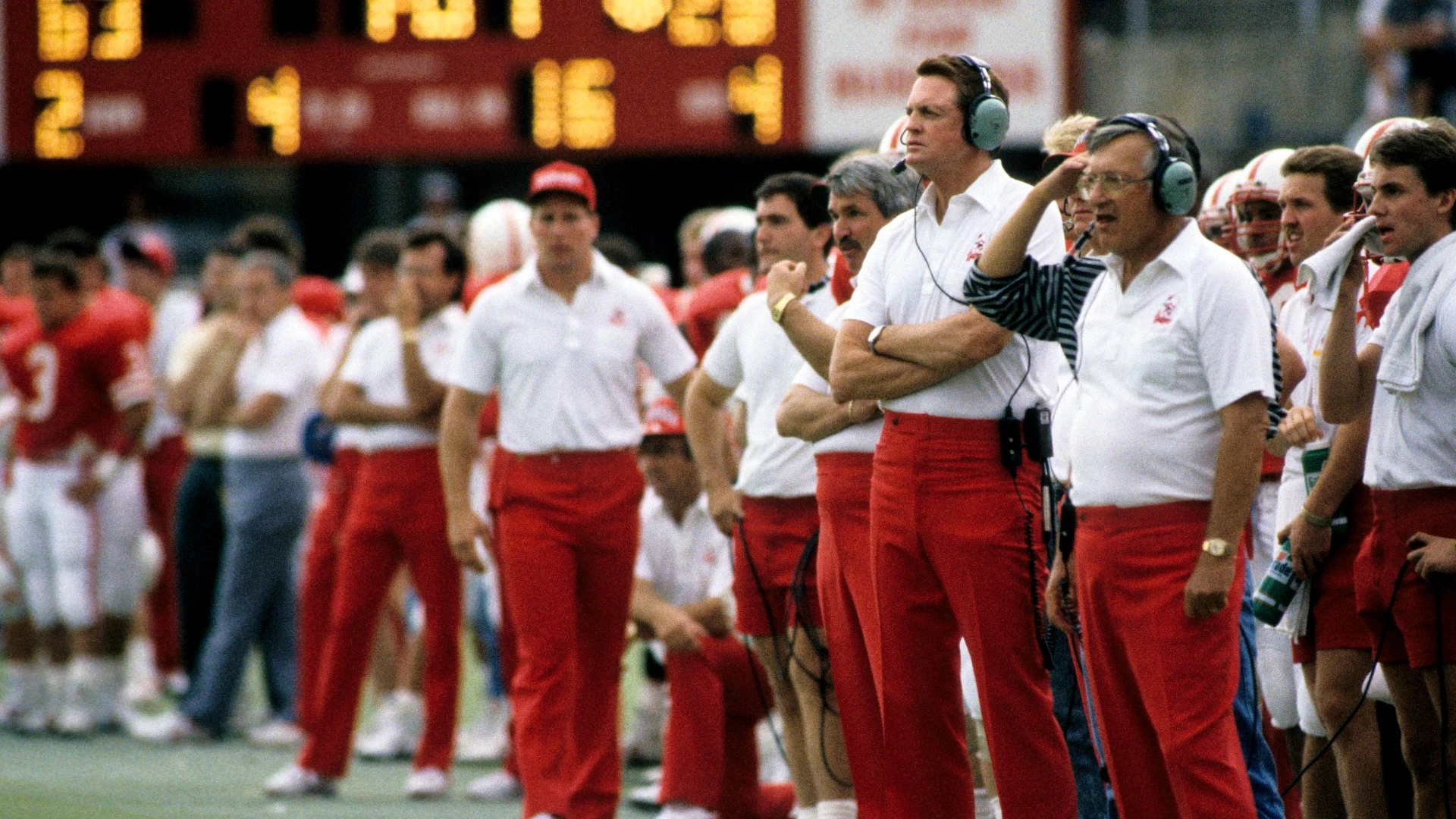
The diversity in team rankings was evident as 73 different college teams received at least one vote. However, the 1995 Nebraska Cornhuskers stood out by appearing on every ballot, underscoring their unanimous recognition. In contrast, several teams from Ohio State, where Carpenter himself played, also received votes, suggesting a possible dispersion in votes that might affect their overall ranking.
Another interesting point discussed was the representation of teams that did not win national championships, which includes the 1995 Penn State team. Despite having great talents like Kerry Collins, Kajana Carter, and Kyle Brady, this team did not receive as much recognition as might be expected, which sparked speculation on the impact of not having a national championship on a team’s legacy.
The method used for these rankings was also a topic of discussion, especially the inclination towards modern teams and the difficulty of comparing teams across different eras in football history. Notably, the Army team of 1944 was mentioned as an exceptional older team, featuring two Heisman runners and an impressive average of 56 points per game.
Overall, the conversation shed light on the complexities and biases inherent in ranking historical college football teams, revealing a landscape where not only the champions but also other strong teams garner significant attention and respect.



BETTING NEWS
FUTURES

