


Examining Referee Bias in College Sports Decisions
Segment Spotlight: Quick Hits From The Sporting Tribune Today
Examining Game Decisions and Referee Transparencies in Sporting Events
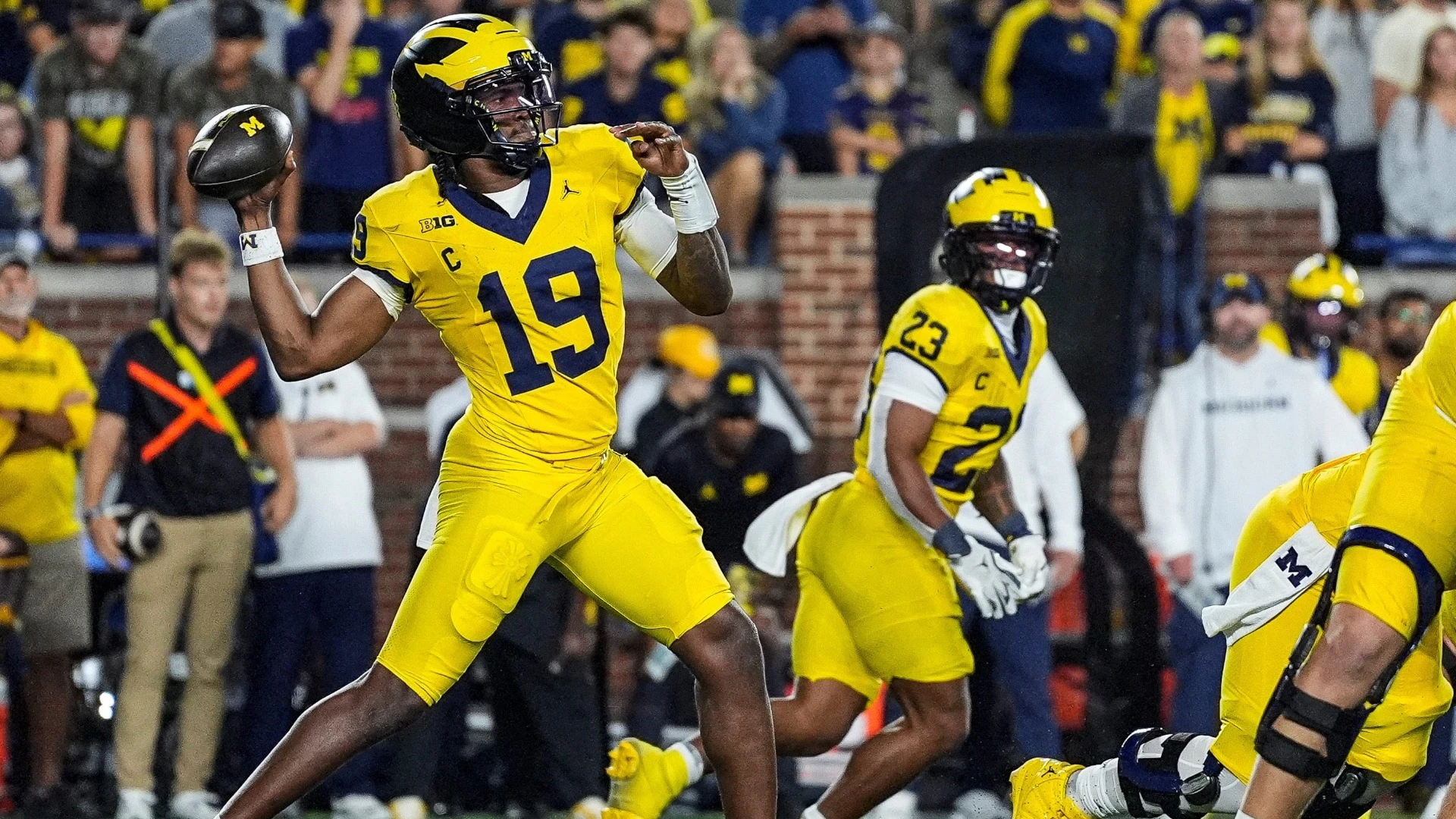
In recent discussions about an intriguing match between a big school and Western Michigan, there has been considerable focus on the referee's decisions. It's no secret that many believe officials show biases towards certain conferences or teams. However, the incident in question demonstrated a high level of transparency by the Big 10 officiating crew, which is not usually expected in these scenarios.
During the game, a critical call on a game-deciding play was scrutinized, showing the Western Michigan side's frustration due to a lost opportunity. They argued that the call might not have been the same if the match was between two FBS or Pac-12 schools. Despite the heated emotions, the referees examined the play meticulously, ensuring the call was accurate by reviewing the frames down to the millisecond, verifying the player was out of bounds just before touching the ball.
The transparency provided in this game was significant; the officials allowed insights into their decision-making process by playing the entire audio of the review, aiming to dispel any myths of a 'grand conspiracy'. This level of openness aligns with what was first seen in an NBA playoff game in 2025, where officials used a high-definition 'AC 130 cam' to review a controversial call. This move towards greater clarity in sports officiating helps ensure that the outcomes are as fair as possible, reflecting the true spirit of the game.
History shows us that controversial moments in sports, such as the infamous play in the 1986 World Series involving Bill Buckner and the Cubs-Marlins series incident with Steve Bartman, leave room for teams to still seize victory despite adversities. These precedents underline the importance of teams capitalizing on subsequent opportunities rather than solely focusing on singular moments.
Ultimately, while frustrations about calls and referee biases are understandable, the overarching question remains whether the correct decisions were made. The commitment to transparency shown by the Big 10 officials in this case not only brought clarity to the specific incident but also set a standard that could beneficially impact how sports are officiated moving forward.



BETTING NEWS
FUTURES

