


Pros and Cons of a Super Conference in College Sports
Segment Spotlight: Quick Hits From Outspoken With Dan Sileo
The Impact of Potential Super Conferences in College Sports
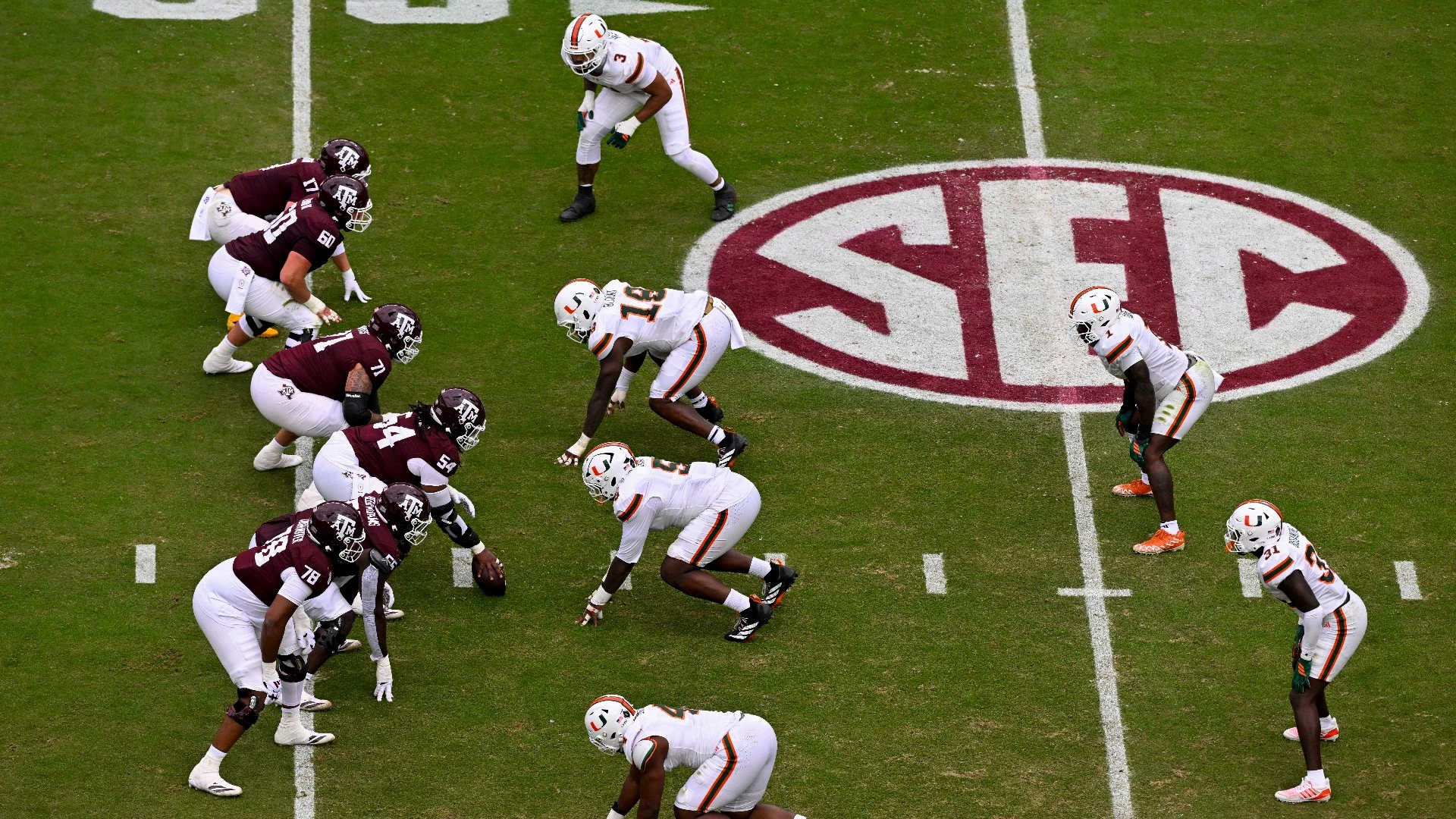
In a recent discussion on college sports' future, Specne offered insights on the potential merger between the Big 10 and the Southeastern Conference into a super conference. He highlighted the significant impacts this merger could have on the financial dynamics within collegiate athletics, particularly affecting non-revenue sports, often referred to as Olympic sports. These sports are predominantly funded by the revenues from football and basketball, with football providing a disproportionate share.
Specne criticized the NCAA's current stance, pointing out the organization's contradictory desires to maintain nonprofit status while operating similarly to professional sports leagues like the NFL. He noted the increasing commercialization of college sports, exemplified by moves like Utah's exploration of private equity—an approach potentially problematic for a public institution dependent on government funding. Specne suggested that similar to how Michigan managed its health facilities, college football could be treated as a for-profit enterprise, acknowledging its primary function as a revenue generator.
The conversation also touched on the structural issues within the College Football Playoff selection process. Specne expressed concerns about potential biases stemming from contractual and financial obligations to broadcasters like ESPN, which hold significant influence over tournament selections due to their media rights agreements. He proposed that external entities should handle team selections to avoid conflicts of interest.
Finally, Specne addressed broader educational implications, critiquing the expansion of the playoff system which could further compromise student-athletes' academic commitments. He mentioned having developed a "Magna Carta" for college football, aiming to clarify roles and responsibilities within the sport's governance structure. This document, intended to foster communication and redefine collegiate athletics administration, could potentially serve as a template for future reforms.



BETTING NEWS
FUTURES

