


The Future of College Football & the 'Ten-Year Plan'
Segment Spotlight: Quick Hits From The Bobby Carpenter Show
Examining the Future of College Football and Coaching Challenges
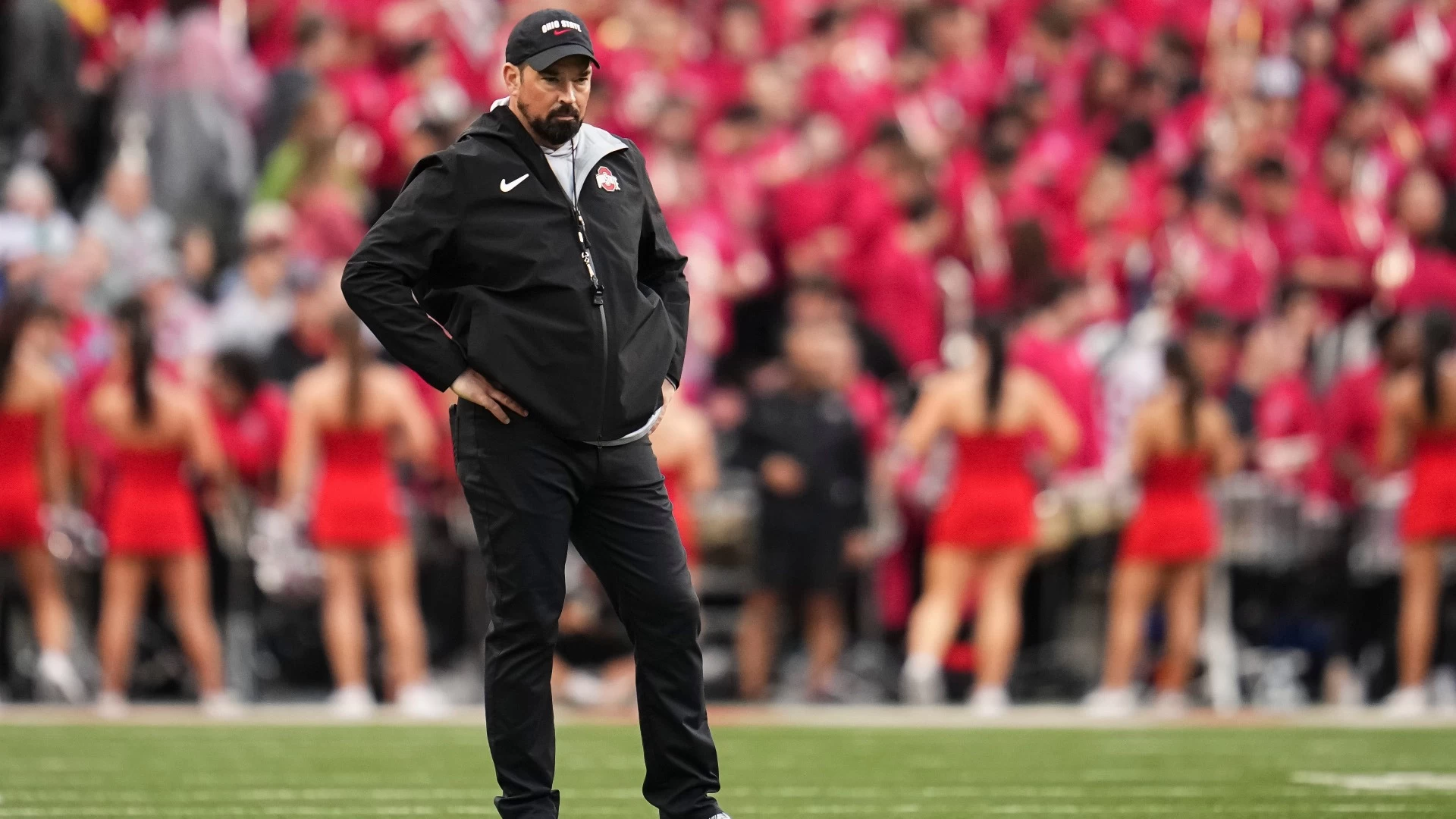
During a recent discussion on the Bobby Carpenter Show, the topic centered on the long-term vision for college football. The absence of a single commissioner in the sport raises questions about who should steward the game's future. This conversation highlighted the complexities faced by college football coaches, particularly Ohio State coach Ryan Day.
December is a particularly challenging time for coaches like Day, who must juggle responsibilities including signing day, managing the transfer portal, and preparing for the college football playoffs. This creates what can best be described as a "traffic jam" in December, stressing the need for a well-structured football calendar.
The conversation also touched on the role and timing of the transfer portal and spring football, suggesting potential shifts to better accommodate the college football ecosystem. For instance, pushing back spring football could allow for better integration of transfer students. However, this leads to questions about the necessity of the traditional spring football format, given changing coaching strategies and the growing importance of televised events and fan engagement.
In terms of modifying the college football schedule, discussions have included the possibility of adopting practices similar to the NFL's Organized Team Activities (OTAs), which could occur in the early summer. This adjustment could help teams assimilate new players from the transfer portal more effectively.
Finally, the American Football Coaches Association's (AFCA) recommendations were discussed, focusing on the college football calendar, playoff configurations, and the scheduling of traditional games like Army-Navy. While most suggestions were favorable, the idea of a 24-team playoff generated debate over whether it aligns with the best interests of the sport.
In short, the show addressed critical aspects of college football's administration, touching upon the balance between tradition and modern necessities, and pondering how coaches adapt within the sport's evolving framework.



BETTING NEWS
FUTURES

